

Bhandara records 9,124 animal bite cases in nine months, dog bites account for most
Bhandara district logged 9,124 animal bite cases from January to September 2026, 7,296 of them dog bites, up 6.15 per cent on last year.
 Images are not validated/verified
Bhandara, Oct 21: Bhandara district recorded a total of 9,124 animal bite cases in the nine months from January to September 2026. Of these, the largest number, 7,296, were dog bites. The figure also includes bites by cats, monkeys and other animals.
In the same period last year, from January to September 2025, the district had recorded 8,595 animal bite cases. This year the figure has risen to 9,124, an increase of 529 over last year, or 6.15 per cent.
With cases rising, the District General Hospital and the Zilla Parishad have appealed to people to seek medical treatment immediately after an animal bite. The health department has said such incidents should not be ignored because of the risk of serious diseases such as rabies.
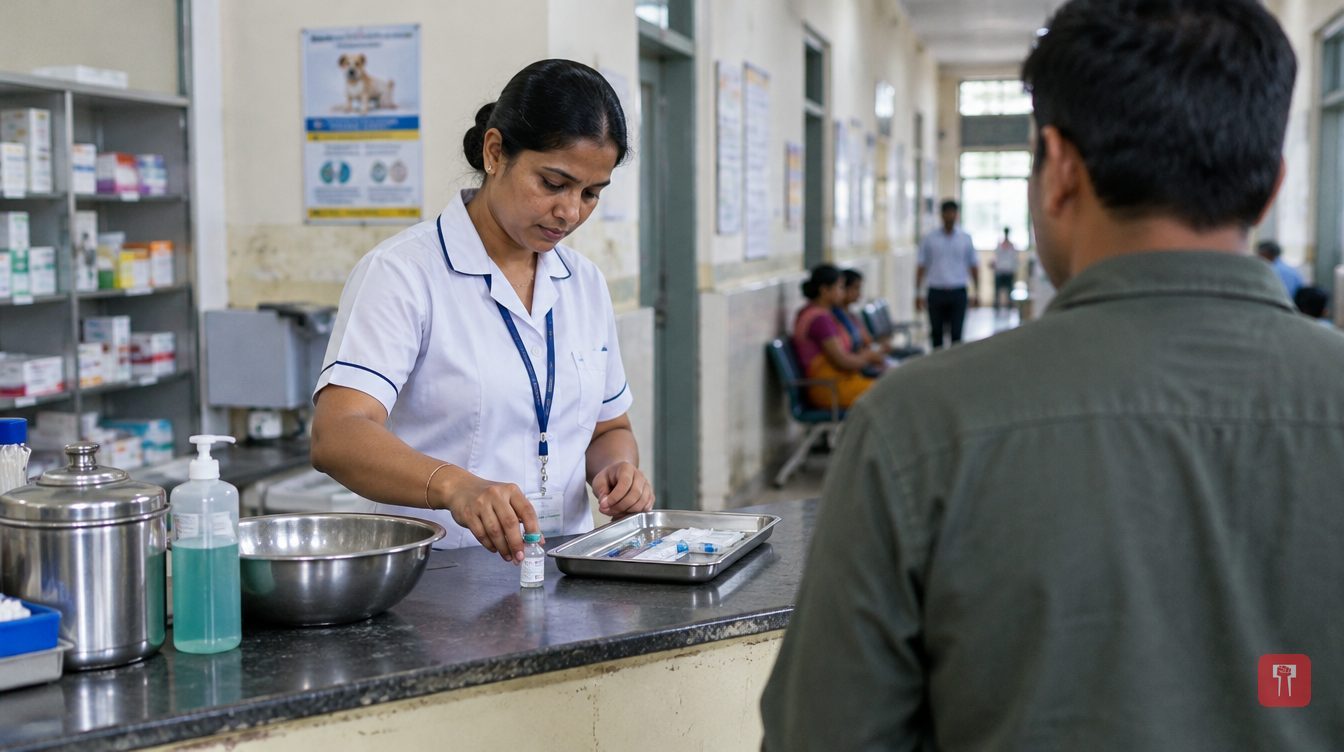
It has been stated that the health system is ready to provide treatment. Anti-rabies vaccine (ARV) is available round the clock at primary health centres, rural hospitals, sub-district hospitals and the district hospital. The district currently has 5,139 doses of the vaccine in all.
Rabies immunoglobulin (RIG), the medicine needed in serious bites, is available at the rural, sub-district and district hospital level, with 169 doses in all. People bitten by an animal have therefore been urged to go straight to the nearest health centre or hospital rather than rely on home remedies.
It was said that keeping the stray dog population under control, vaccinating the dogs and raising public awareness are needed to bring down the number of cases. The focus is on coordination with the animal husbandry department and local self-government bodies. Citizens are being given guidance on what care to take after a bite, why anti-rabies vaccination matters, and what risks can arise if treatment is delayed.
According to the appeal from the District General Hospital and the Zilla Parishad, anyone bitten by a dog or another animal should wash the wound with soap and running water for at least 15 minutes. An appropriate antiseptic should then be applied as available, and a doctor should be consulted immediately. Depending on the nature of the wound, and on the doctor's advice, the person should take the anti-rabies vaccine, rabies immunoglobulin if required, and treatment to prevent tetanus.
The appeal also says the bitten person should be given emotional support. Home substances such as soil, oil, lemon, chalk or chilli powder should not be applied to the wound. The wound should not be bound tightly, and medical treatment should not be delayed. Hands should be washed thoroughly before handling the wound, and the wound should as far as possible not be touched directly.
It was said that although rabies is a serious disease, the risk can be avoided if the wound is cleaned properly after a bite and the necessary medical treatment is taken in time. An animal bite should therefore not be dismissed as minor. The District General Hospital and the Zilla Parishad, Bhandara, have asked citizens to stay alert and follow the health department's instructions.

Comments
No comments yet. Be the first.