

Bhandara records 9,124 animal bite cases from January to September, 7,296 by dogs
Animal bite cases in Bhandara district are up about 6.15 per cent on last year, with dogs accounting for roughly 80 per cent of the 9,124 cases.
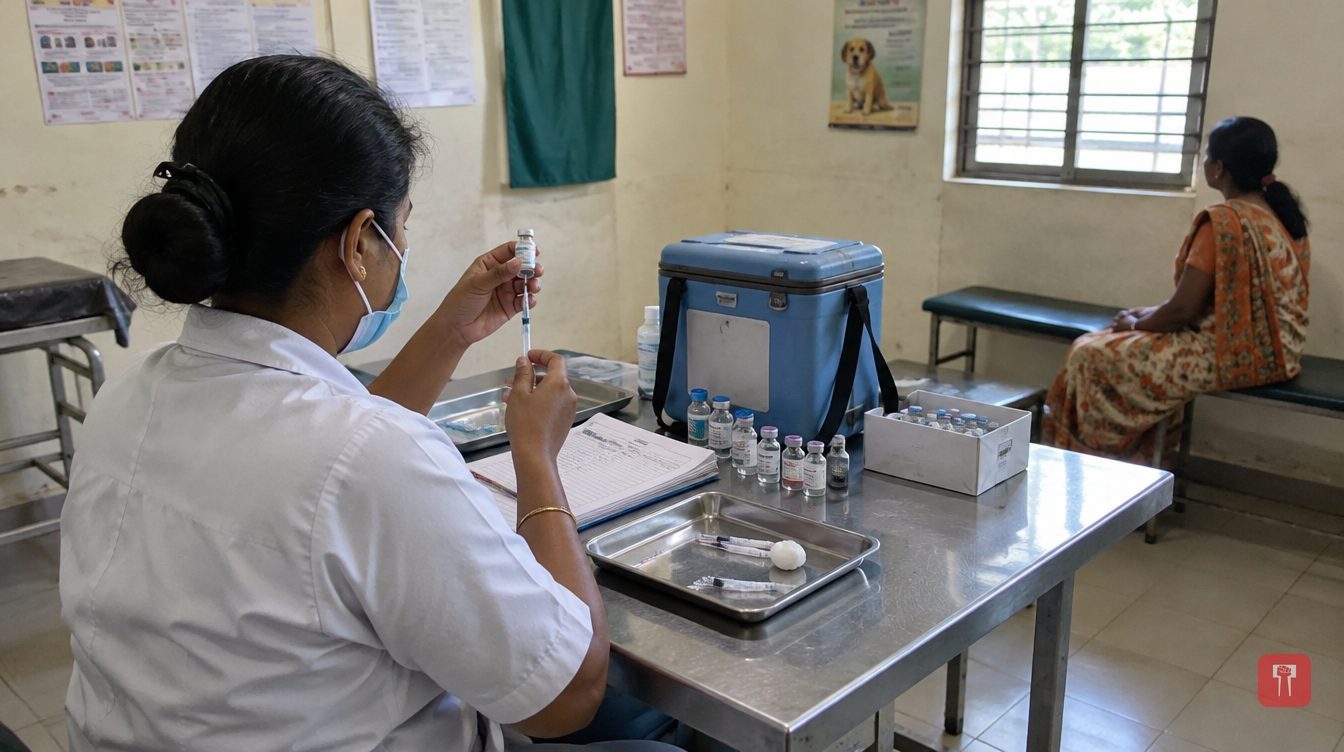 Images are not validated/verified
Animal bite cases have risen in Bhandara district this year, with dogs accounting for the largest share. Between January and September 2026, the district recorded 9,124 cases of bites by dogs, cats, monkeys and other animals. Of these, 7,296 were dog bites alone.
In the same period last year, 8,595 cases were recorded. This year's figure is 529 higher, an increase of about 6.15 per cent. The availability of anti-rabies treatment, control of stray dogs and public awareness have therefore become important issues.
According to the figures, about 80 per cent of all cases in the district are dog bites. The highest number of dog bite cases, 1,090, was recorded in January. February saw 979 and March 1,011. April recorded 882, May 884 and June 797. The figure was 557 in July and 535 in August.
Among other animals, 991 cat bite cases were recorded. There were 461 bites by other animals and 376 by monkeys.
Taking bites by all animals month by month, January had the most, with 1,278 cases. It was followed by March with 1,195, February with 1,149, May with 1,097, April with 1,053 and June with 1,028. July recorded 793 cases, August 775 and September 756.
The information released says that after a bite by a dog or any other mammal, the wound should be washed immediately under running water with soap for at least 15 minutes. The person should then see a doctor without delay for examination. As the doctor advises, the anti-rabies vaccine should be taken, along with immunoglobulin if needed. It also says that soil, oil, turmeric, chilli powder, lemon or any other household item should not be applied to the wound. The wound should not be bandaged tightly, and treatment should not be delayed.
People have been asked to keep a safe distance from stray animals and not to leave small children alone near dogs or other animals. Even a small wound should not be ignored, and treatment should be sought immediately.
District Health Officer Dr Nitin Kapse said that immediate treatment is essential to avert the risk of rabies. According to the district health department, the anti-rabies vaccine (ARV) is available at the primary health centres in the district. Rural, sub-district and district hospitals also hold stocks of rabies immunoglobulin along with ARV. Dr Kapse said the full vaccine schedule should be completed on a doctor's advice, and immunoglobulin taken if required. There is a plan to maintain vaccine stocks at the district's government health institutions.
The stray dog problem is linked to animal bite cases in villages as well as cities. Letters have been written to the animal husbandry department and local bodies to coordinate on keeping the dog population in check, vaccinating dogs and reducing bite cases. Municipal councils have also been told to take the necessary measures.

Comments
No comments yet. Be the first.