

After Sahil Wakode's death, IIT Bombay to revise hostel rules
Following the suicide of a 20 year old B.Tech student, IIT Bombay plans hostel and counselling changes to address student mental health
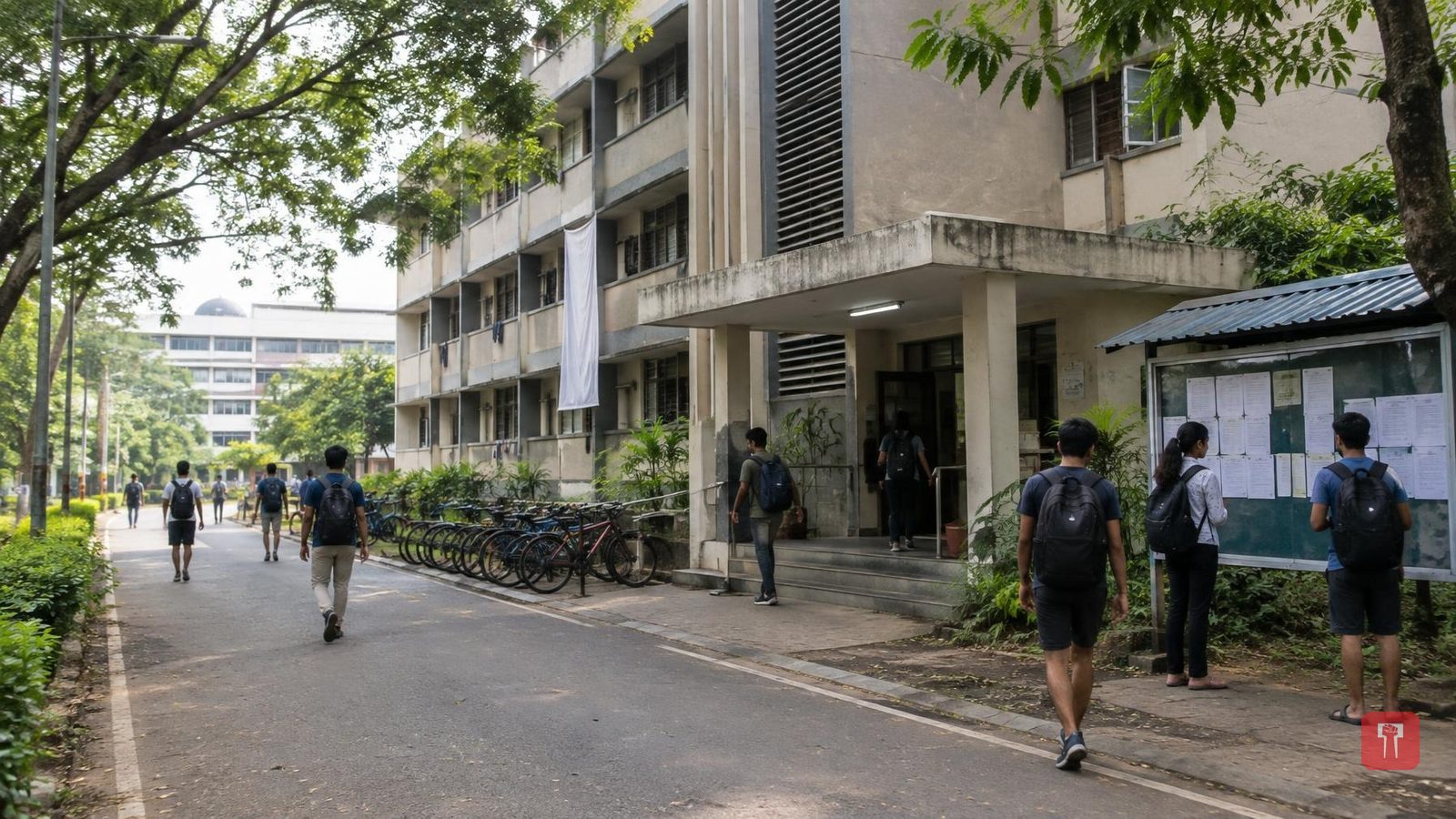
A deeply tragic incident on the IIT Bombay campus has shaken the country's education world. A 20 year old B.Tech student, Sahil Wakode, died by suicide, raising serious questions about student mental health and safety at the institute. Following the incident, the IIT Bombay administration has swung into action and is preparing several major, far reaching steps to address students' concerns.
At an "open house" programme organised by IIT Bombay, the administration and students held a frank discussion. Several proposals to reduce students' mental stress and provide them a better environment were considered at the meeting. To improve the atmosphere within the campus, the administration does not want to limit itself to statements on paper, but is working quickly toward bringing about real, concrete change.
The biggest change could come in hostel rules. Until now, only first year students at the institute were given shared rooms; once they became seniors, they were given single rooms. But this policy is now set to change. For upcoming new hostels, a "twin sharing model" is under consideration, meaning IIT Bombay is now thinking of applying this model to senior students as well. Experts believe that living alone can sometimes lead students into depression or isolation. Having a roommate provides mental support and lets students share their feelings with each other.
Giving priority to student mental health, IIT Bombay has also significantly expanded the scope of its counselling services. Immediately after the incident, the Dean of Student Affairs sent students an email stating that counselling hours at the campus's 6 main hostels and the Student Wellness Centre have been increased, so that students can get help quickly whenever needed.
IIT Bombay has also reiterated its existing policy, assuring students that they can seek help from any professional counsellor or agency of their choice outside the campus as well. The institute will bear the full cost of such external counselling services. Students are being especially encouraged to make use of these facilities through their faculty mentors.
To deal with the situation, the administration is not making decisions on its own alone, but is also taking help from faculty members and mental health experts to understand the ground reality. Recently, the administration shared a Google form seeking suggestions from professors and faculty members on what further steps could be taken to reduce student stress. Several rounds of meetings have also been held at the department and institute level.
This story has published but the live thread has not started. Updates appear here the moment the desk files one.
