

Iran port curbs push cargo trucks into long queues at Turkey border
Restrictions on Iran's southern ports have shifted trade to land routes, causing kilometres-long truck queues at the Turkey border.
A war that began on February 28, 2026 is still going on. Neither Iran nor the United States is willing to back down. The conflict has now completed 211 days. Because of it, Iran's Strait of Hormuz has been completely shut, even though nearly 20 percent of the world's goods are moved through this sea route.
As the conflict has widened, fighting has also broken out between Saudi Arabia and the Houthis, and the Houthis have shut the other sea route through the Red Sea, the Bab al-Mandeb strait. After Hormuz was closed, the United States imposed a blockade at the entrance to Hormuz.
Because of this, it has become difficult for Iran to trade with any country other than China. This entire situation has slowed the global market and pushed up inflation. The United States, which considers itself the world's policeman and the biggest power, has been made to sweat by Iran.
However, this changing situation does not appear to have had any major effect on the United States so far, or if it has, the news of it has not spread widely around the world. In that sense, it can be said that the United States is comfortable while the rest of the world is troubled.
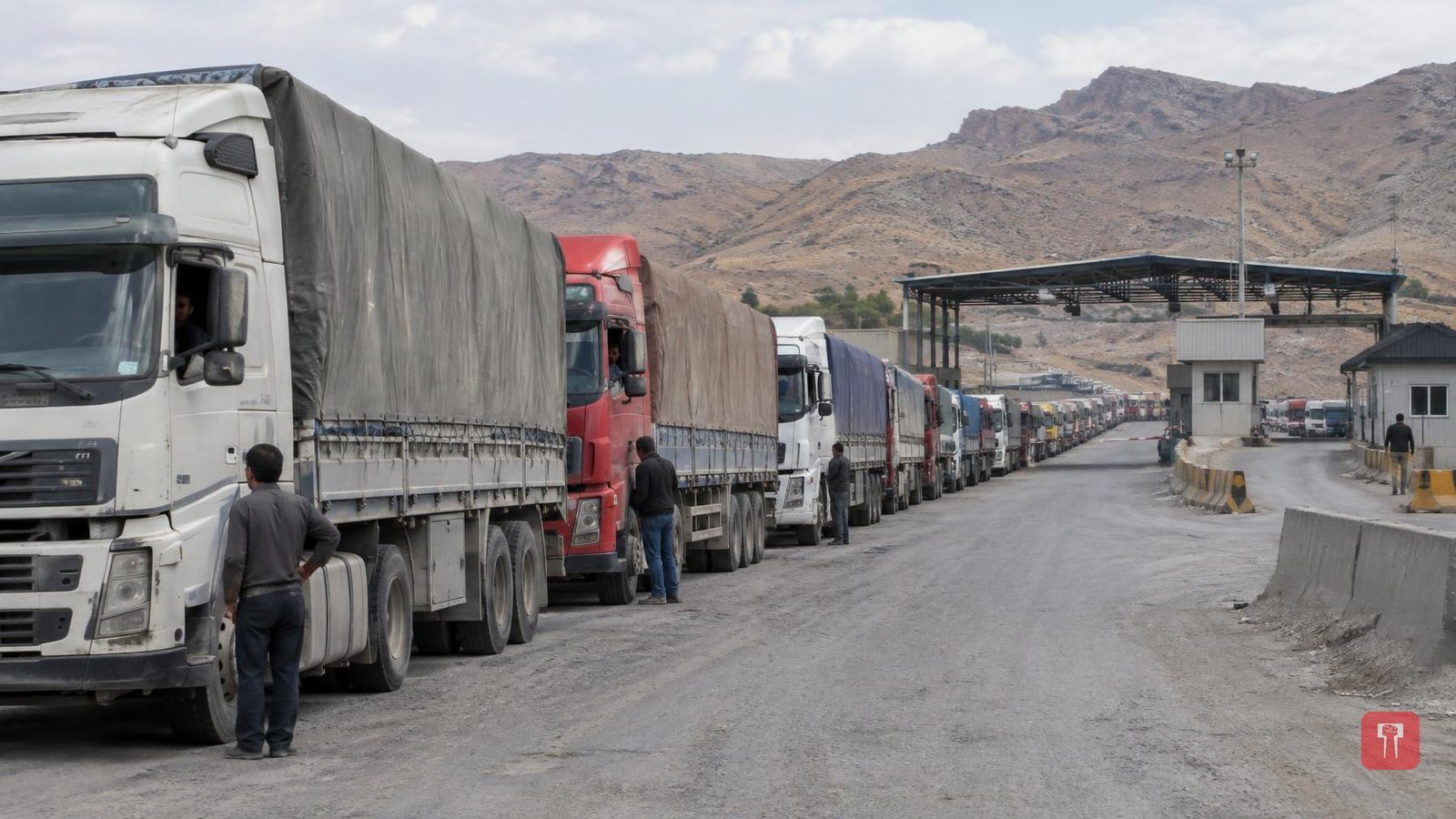
On the other hand, the United States has put Iran under severe pressure. Because of restrictions and obstacles on trade at Iran's southern ports, importers there have now started using land routes on a large scale for the movement of goods. This has caused long queues of cargo trucks to form at the Iran-Turkey border, with queues stretching for kilometres in some places.
Iran's southern ports are considered to play the most important role in its foreign trade. But with obstacles in the import process because of the restrictions, traders are having to look for other routes. The land route connecting to Europe and other markets via Turkey has now become more important, significantly increasing the pressure of cargo movement on this route.
With a large share of trade shifting to the land route, crowding has increased at customs and inspection points on the Iran-Turkey border. Because of the long queues of cargo trucks, drivers are having to wait to cross the border. This delay is directly affecting the supply chain of imported goods.
The increased use of land routes because of the obstacles at the southern ports has put extra pressure on the entire transport system. The long wait, customs procedures and the increased distance could raise both the time and the cost of delivering goods. In other words, the effect of the restrictions is no longer limited to the ports alone but is now visible across Iran's entire supply chain.
