

War, inflation and debt put developing economies under triple strain ahead of IMF-World Bank meeting
Higher fuel prices from the West Asia conflict, food inflation and heavy debt repayments are straining developing countries, with the IMF and World Bank meeting in Bangkok.
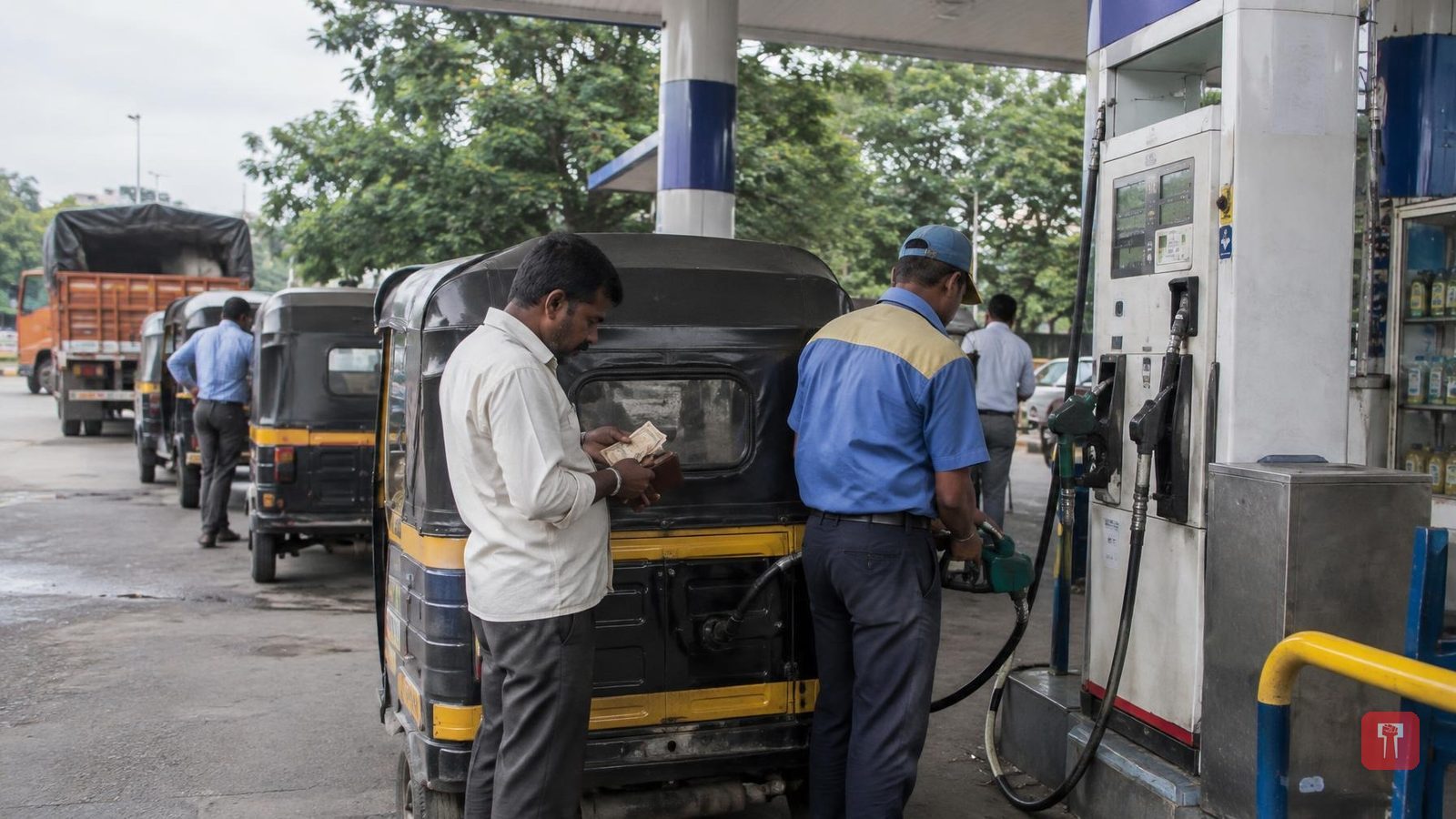 Images are not validated/verified
The world economy is on the brink of a major crisis. The war in the Middle East, rising fuel prices, food inflation and the growing burden of government debt are worsening the economic condition of developing countries. Many countries were trying to recover after Covid, but the war has again begun to affect global trade and energy supplies.
The impact of the conflict between the US-Israel side and Iran in the Middle East is no longer confined to the war zone. It is seriously affecting global supplies of oil and natural gas. Disruption to traffic in the Strait of Hormuz has dealt a heavy blow to the world's oil supply. With oil supplies through this route disrupted, fuel prices in the international market have risen.
Crude oil prices have reached around $100. This has created a risk of petrol, diesel and electricity becoming costlier in many countries. Costlier fuel is also affecting transport, manufacturing and agriculture. Higher fertiliser prices are likely to raise farming costs. As a result, foodgrain prices rise and put an extra burden on household budgets of ordinary people.
Meanwhile, many developing countries had borrowed heavily after Covid to revive their economies. With interest rates now higher, repaying these loans is becoming difficult for them. According to World Bank estimates, developing countries owe about $400 billion in external debt payments in 2026.
A large part of this will go only towards paying interest. As a result, funds available for education, health, infrastructure and job creation are likely to shrink. Some countries will have no option but to cut government spending, which could directly affect ordinary citizens. The situation is worrying for economically weaker countries in Africa, Asia and Latin America.
Against this backdrop, the annual meeting of the International Monetary Fund (IMF) and the World Bank in Bangkok has gained particular importance. The economic crisis is to be discussed at the meeting, and the whole world is watching what steps are taken to help developing countries. Finding solutions to rising inflation, the energy crisis and the debt burden will be the main challenge before the meeting.
World Bank President Ajay Banga said talks are under way on financial assistance with 30 to 40 countries facing energy and inflation shocks. The World Bank has also shown readiness to increase the financial aid available to distressed countries if needed.
According to IMF estimates, global economic growth in 2026 could be around three per cent. However, this estimate could change if the war lasts longer. Developing countries will have to take firm decisions on financial aid, debt restructuring and inflation control, or the world may have to bear the economic impact of the war for longer.
