

180 scientists warn of super El Nino hitting India in 2026-27
Over 180 environment and climate scientists warn a powerful super El Nino in 2026-27 could badly hit India's farms, forests, water sources, coasts and wildlife
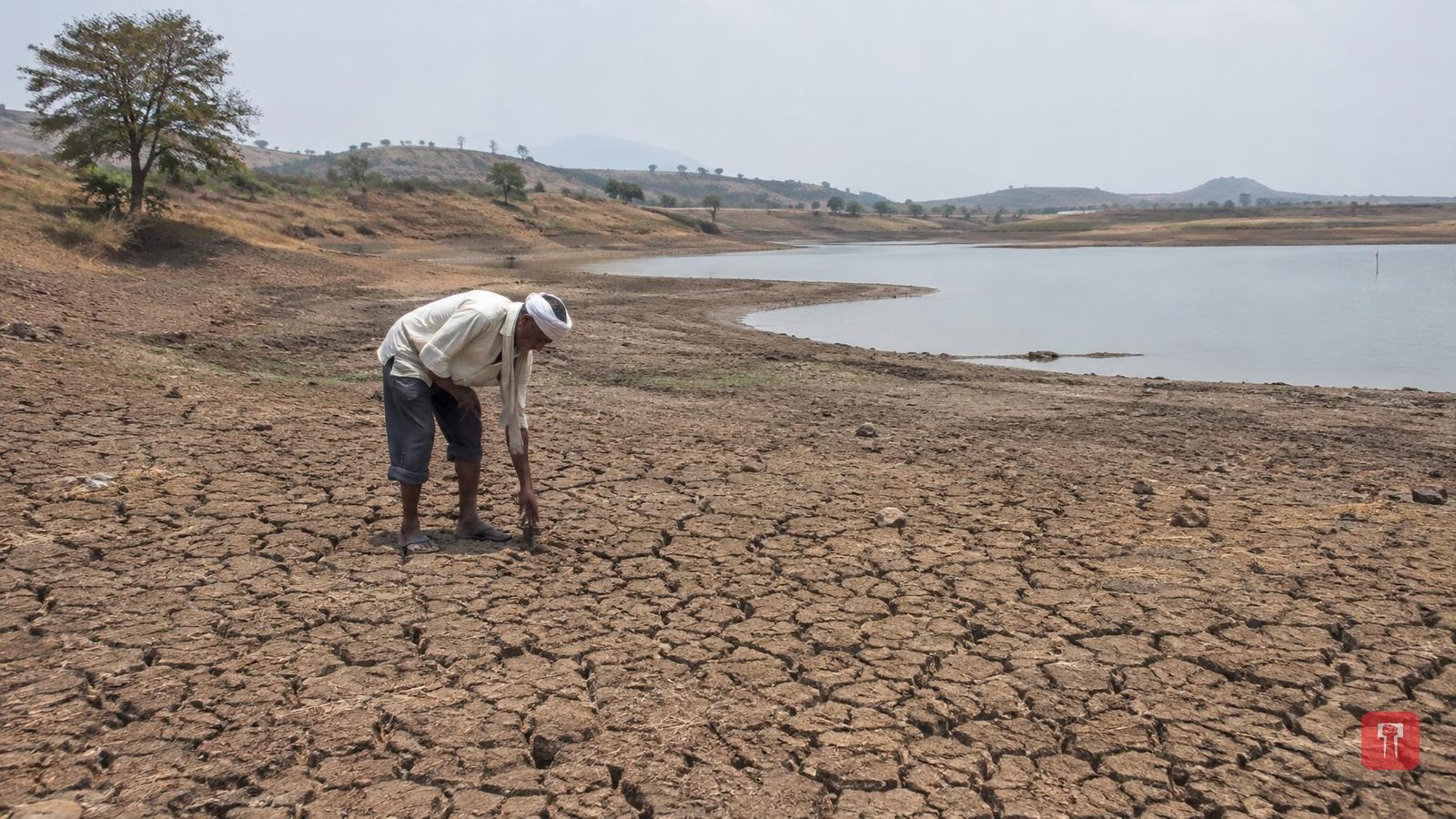
India could face a major threat from nature in the coming months. More than 180 environment, weather and ecology scientists from India and abroad have jointly raised deep concern over an unusually powerful "super El Nino". According to these scientists, the El Nino expected during 2026-27 could prove very damaging for India's agriculture, forests, water sources, coastlines and wildlife.
The warning was published on 16 September 2026 on a platform called Zenodo. A research paper titled "Super El Nino's Arrival: A Signal and Challenge for Ecologists in 2026-27" has been published there, signed by more than 180 experts. They believe the El Nino this time will be far more intense than in recent years.
El Nino is a natural weather phenomenon linked to the Pacific Ocean, in which sea surface temperatures rise above normal. In India, El Nino usually means a weak or delayed monsoon and intense heat. But this time the Pacific Ocean's temperature is rising much faster than expected, raising fears that conditions could be quite severe.
According to the scientists, from November 2026 into the following year, many parts of India could see intense heat and a shortage of rainfall. Areas already facing water scarcity will be hit hardest.
According to data from the India Meteorological Department (IMD), rainfall across the country this monsoon season has been 15 percent below average, while in South India the shortfall has reached 29 percent. If water scarcity worsens further, crops will suffer heavy damage and the rural economy could take a major hit.
Rising heat and prolonged dry conditions could also increase forest fire incidents across the country, putting rare trees, plants, birds and wildlife at risk. The effect will be felt at sea as well as on land. Rising ocean temperatures could bring marine heatwaves, which could cause large-scale destruction of coral reefs. Changes in fish migration could also threaten the livelihoods of thousands of fishermen living along the coast.
To deal with this crisis, the scientists have appealed to the government, research institutions and administration to stay alert. They say that instead of studying the damage after it happens, it is necessary now to maintain environmental records, set up weather monitoring centres at the grassroots level, and improve coordination between different states.
Roxy Mathew Koll, a well-known climate scientist at the Indian Institute of Tropical Meteorology (IITM), said it is very important to take concrete steps now to protect sensitive ecosystems and prepare for the weather challenges ahead.
