

143 killed in nine months on Samruddhi Mahamarg as accidents and deaths rise
Between January and September 2026, 168 accidents on the Nagpur-Mumbai expressway killed 143 people, up from 126 deaths in the same period of 2025.
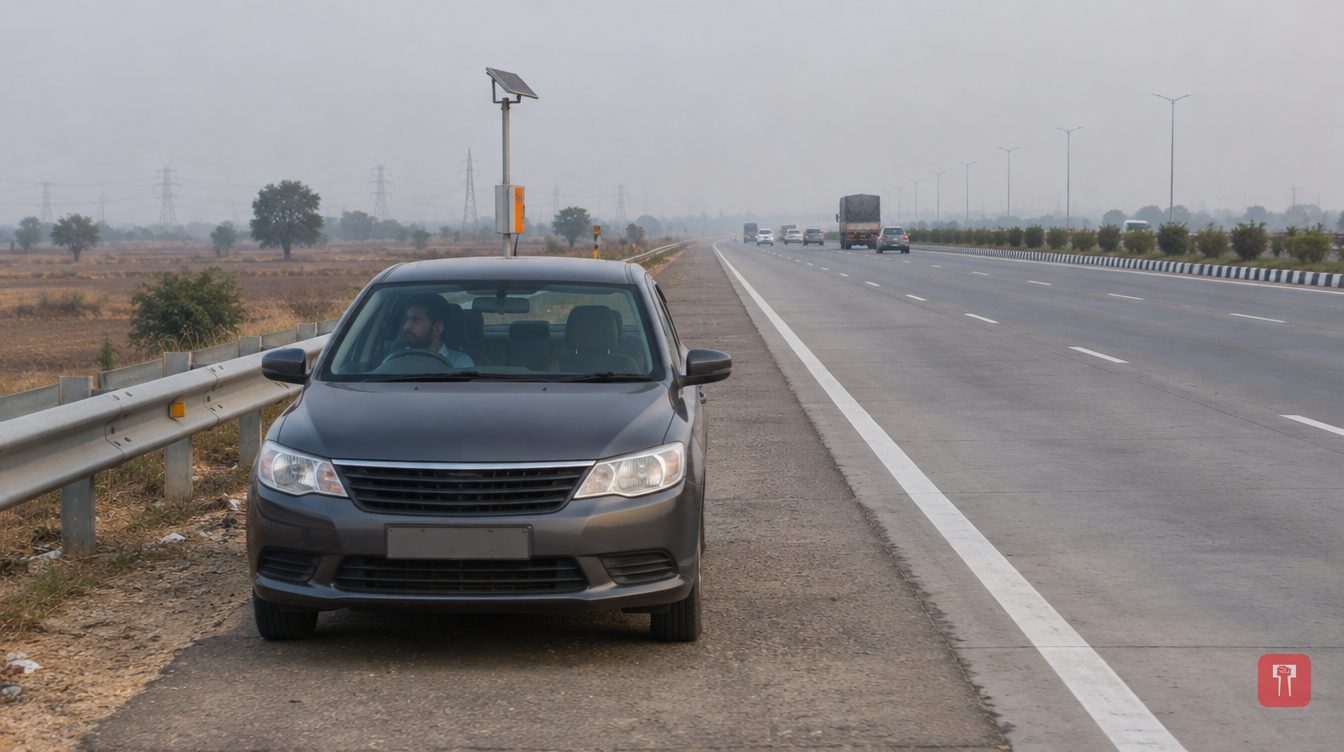 Images are not validated/verified
The Samruddhi Mahamarg, built to shorten the journey between Nagpur and Mumbai, is again under scrutiny over road safety. Despite modern safety arrangements and protective measures, the number of accidents and the deaths in them continues to rise.
Between January and September 2026, 168 accidents were recorded on the expressway and 143 people died in them. In the same period of 2025, there were 151 accidents and 126 deaths. Accidents have thus risen by about 11 per cent and deaths by nearly 13.5 per cent.
The number of fatal accidents has also gone up. From January to September 2025 there were 105 such accidents, against 111 this year. Deaths rose from 126 to 143. Even with safety arrangements in place, the toll of lives lost on the road has gone up.
The number of accidents and their severity need to be looked at separately. Total accidents have risen, but deaths have risen in greater proportion. The circumstances of fatal collisions therefore need closer examination.
Excessive speed, driver fatigue, not keeping a proper distance and loss of control of the vehicle are considered common hazards on high-speed expressways. But these figures alone do not establish the cause of individual accidents on the Samruddhi Mahamarg. That would require a full inquiry into accident locations, types of vehicles, driving conditions and other factors.
Since the expressway opened in December 2022, 662 accidents have been recorded up to September 2026. Of these, 430 were fatal, and 594 people died in them. In 123 accidents involving serious injury, 430 people were badly hurt, while 56 accidents with minor injuries left 239 people hurt.
The figures show the heavy human cost paid on a road built for fast and easy travel. Installing safety equipment alone is not enough; continuous monitoring and firm steps are also needed.
Modern equipment can help warn drivers of danger, monitor traffic and get help to those who need it. But it works only when rules are strictly enforced, maintenance is sound and timely action is taken when dangerous driving or conditions are spotted.
Officials will have to check whether speed limits are actually being enforced, whether drivers are getting full warnings about dangerous stretches, and whether emergency services can reach accident sites without delay.
Identifying accident-prone spots is equally important. A review of repeated accidents could show whether a stretch needs more signboards, better road markings, lighting or changes in traffic management.
Driver awareness is also essential. On a high-speed route, drivers should avoid fatigue, take proper breaks on long journeys, keep a safe distance and follow the prescribed speed limit.
In just nine months of 2026, 143 people have died, and total deaths have reached 594 up to September. The challenge is no longer only to provide fast connectivity but to ensure that people can use this road without avoidable risk. Strict enforcement, responsible driving, quick help and corrective action based on data will all have to work together.

Comments
No comments yet. Be the first.