

Social media blamed for fuelling hate in US and unrest in Europe, press groups warn of curbs
After an attempted shooting at a Hindu temple in Illinois, US and European leaders blame social media for hate and unrest, while journalist bodies caution against curbs.
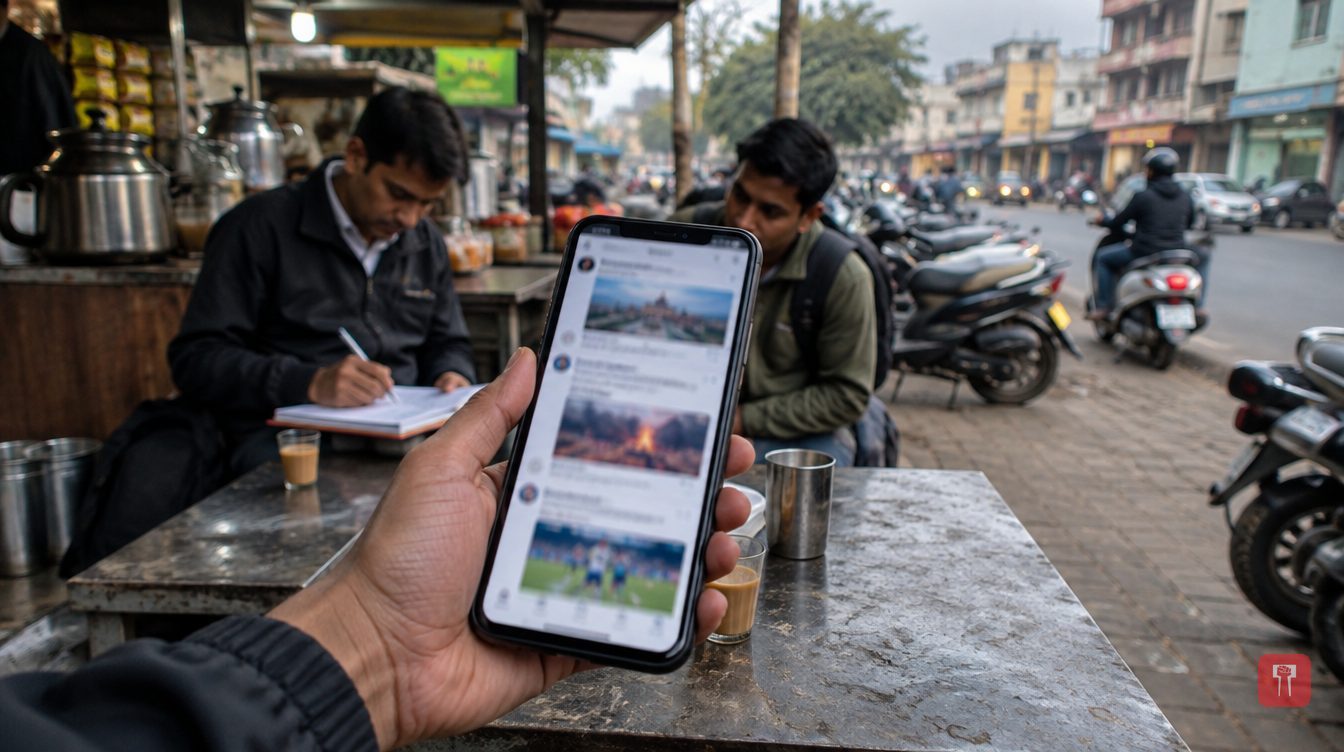 Images are not validated/verified
An attempt was made on October 11 to fire shots at the Sri Venkateswara Swami Hindu Temple in Aurora, Illinois, in the United States. The incident has sparked a debate on how technology is being used in campaigns that spread hatred. US Congressman Raja Krishnamoorthi has recently expressed concern over rising anti-Indian, anti-South Asian and anti-Hindu hate on social media.
Krishnamoorthi alleges that big technology companies are profiting from online hostility. He demanded that Congress hold these companies accountable. He says social media platforms are not properly curbing hateful content. He also cited a rise of more than 240 per cent in posts promoting anti-South Asian hate. In a post on X, he wrote: "Anti-Indian hate is exploding on social media, and Big Tech is profiting from it. These companies have no incentive to stop the hatred they help spread. Congress must hold them accountable."
The use of social media to stoke hatred or protests is not limited to the United States. The platforms are also being blamed for further inflaming unrest across several European countries. In the past few weeks, riots and violence broke out on the fringes of largely peaceful, youth-led protests in several countries, including France, Spain and Albania.
French Finance Minister Roland Lescure is quoted as saying: "This societal question of the impact of social media on urban violence must be addressed, and there will probably be consequences. Social media, obviously, played a role." Calls to protest circulated widely on Instagram, X and TikTok in France, as has been the case since the high school students' protests began.
Social media is also believed to have played a major role in mobilising people and heating up the mood in the recent riots in Milan and other Italian cities, held in the name of inflation and young people. Local media reports say social media was used to call young people to Italian squares at the weekend.
In Spain, a misinformation campaign run through social media is being cited as the reason behind the recent civil unrest, anti-migrant protests and political polarisation. Prime Minister Pedro Sanchez is reported to have announced tough action against social media platforms. He announced rules to curb criminal activity, protect minors and make technology companies accountable. In a recent video statement, Sanchez called the move a necessary response to the "Wild West" atmosphere of digital platforms. He alleges that these platforms help cause serious harm to society.
However, an unchecked ban on social media is not the right solution, because it would silence genuine voices, especially those of independent journalists and human rights activists. The European Federation of Journalists, together with Media Freedom Rapid Response, the Safe Journalists Network, Reporters Without Borders, the International Federation of Journalists, the Reporting Diversity Network and the South East Europe Media Organisation, has expressed concern over recent events in Albania. There have been cases of accounts of media outlets, journalists, civic initiatives and others linked to the public interest being blocked or removed without explanation, and attempts to manipulate social media enforcement systems.
In the past few days, several accounts on Meta's platforms became inaccessible or were restricted. Meta later admitted that some accounts had been removed by mistake. The company restored the affected accounts and indicated that additional safeguards were being put in place. These corrective steps, and Meta's engagement with the affected media and civic organisations, are welcome.

Comments
No comments yet. Be the first.