

National Unity Day: Patel's legacy and the challenges to India's unity today
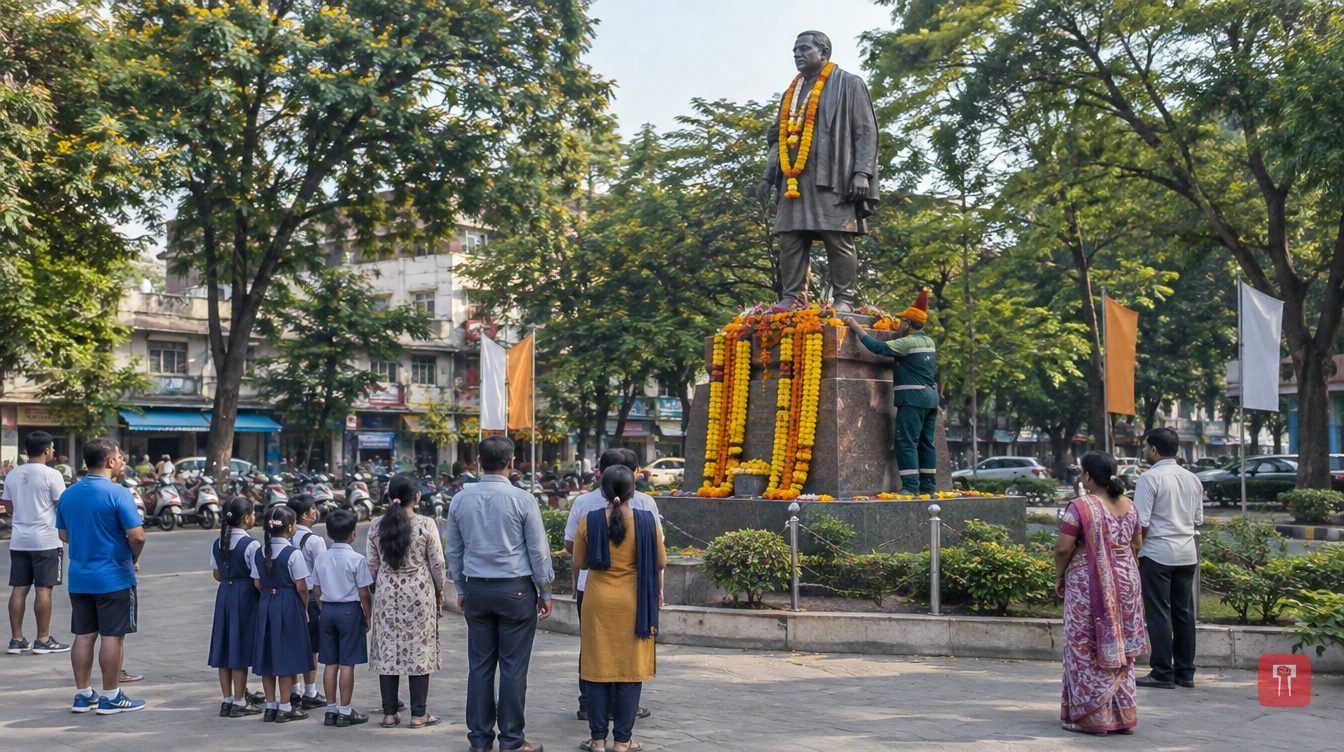 Images are not validated/verified
On Sardar Patel's birth anniversary, National Unity Day is a chance to ask what holds the country together amid rapid growth, regional expectations and changing hopes.
New Delhi, October 31, 2026: A country's unity does not last merely because borders are drawn on a map. It depends on whether people from different regions, languages and communities believe they are part of a shared political and social project. The challenge has changed considerably since Independence. The merger of the princely states laid the geographical foundation of the Indian Union, but in an era of a fast-changing economy, regional expectations and the shifting hopes of society, the work of sustaining that unity continues. National Unity Day offers an opportunity to examine how the legacy of Sardar Vallabhbhai Patel can answer the questions facing India today.
The day is observed every year on October 31 because it is Sardar Patel's birth anniversary. His role was central in the freedom struggle and, after Independence, in bringing the princely states into India. The Government of India began observing the day in 2014 to recognise his contribution and to reaffirm the country's commitment to unity, integrity and security. The message reaches people through the Run for Unity, the unity pledge and public events. It is therefore not merely a day of remembrance. It compels reflection on what the foundation of the country's unity is and what the responsibility of preserving it is.
In 1947, political integration was urgent. British rule had ended, but hundreds of princely states had to decide their relationship with the newly emerging Union. Had they not been merged, the country could not have functioned and would have been fragmented. As India's first Deputy Prime Minister and Home Minister, Sardar Patel took the lead in the process, working with V. P. Menon and other officials. Most states acceded through negotiation and political persuasion, though some cases needed more complicated measures. Many people and institutions contributed to this success, but Patel's determination and political judgment were central to the outcome.
Today's challenge is not to join princely states. The real challenge is to make everyone feel that the country's rapid development is their own progress. Large infrastructure projects, improved transport, digital connectivity and growing economic opportunities can link distant areas more closely with the country's markets and institutions. Connectivity projects in border areas and the North-East affect not only travel and security but also access to services and economic participation.
However, development alone does not guarantee that unity will last. Regional disparities in employment, education, public services and investment can shape how citizens view the Union. A credible national approach must therefore attend to local needs along with economic ambition. If people see concrete improvements in their lives and trust public institutions, the sense of belonging to a shared national project becomes more meaningful.
Cooperative federalism matters here. Given India's size and diversity, the Centre and state governments need to coordinate on infrastructure, industry, education, public health and internal security. Political differences are unavoidable in a democracy; the real question is whether institutions can handle them constructively. The country's unity is strengthened when governments work together while respecting constitutional responsibilities and legitimate regional expectations.
The capacity to accommodate many languages, cultures, traditions and regional identities is India's strength. Unity does not require these differences to disappear. Citizens need to accept that their separate identities can coexist within a common constitutional and political framework. In an age of rapid digital communication, public discourse can connect communities, but it can also deepen distrust and polarisation. Official messaging alone does not sustain social harmony. It needs responsible public debate, equal respect among citizens, and the confidence that differences can be raised and resolved through democratic institutions.
Young people have a particularly important role in this. Educational exchanges, cultural programmes, inter-state travel and opportunities to learn about other parts of the country can build familiarity across regional boundaries. Ek Bharat Shreshtha Bharat, announced in 2015, seeks to increase mutual understanding and cultural exchange between states and Union Territories. Such initiatives can help turn national integration from an abstract idea into lived experience.
Unity Day also underlines the relationship between security and inclusion. Maintaining territorial integrity and public order are essential responsibilities of the state. But stability lasts only if the reasons why communities remain isolated or dissatisfied are addressed. Development, access to public services and meaningful participation can strengthen the foundation of peace.
Patel's legacy should therefore be understood in both its historical and contemporary dimensions. He laid the political foundation of a united India; the present generation has to keep the Union together through democratic institutions, inclusive development and mutual respect. The measure of unity is not that every citizen thinks alike, but whether people with different identities and interests can share a common future. That distinction matters more as India seeks a larger global role and its development goals. National Unity Day is a reminder that unity is not a finished inheritance from the past but a national responsibility to be renewed through the everyday experience of citizenship.
Reach readers on the ward they actually live in.
Advertise with Prime Time 24Reach readers on the ward they actually live in.
Advertise with Prime Time 24Reach readers on the ward they actually live in.
Advertise with Prime Time 24
Comments
No comments yet. Be the first.