

Hip replacement no longer only for the elderly as younger patients rise, says Pune surgeon
Doctors are seeing more young and middle-aged patients with conditions such as AVN needing hip replacement, says Dr Neeraj Adkar of Pune.
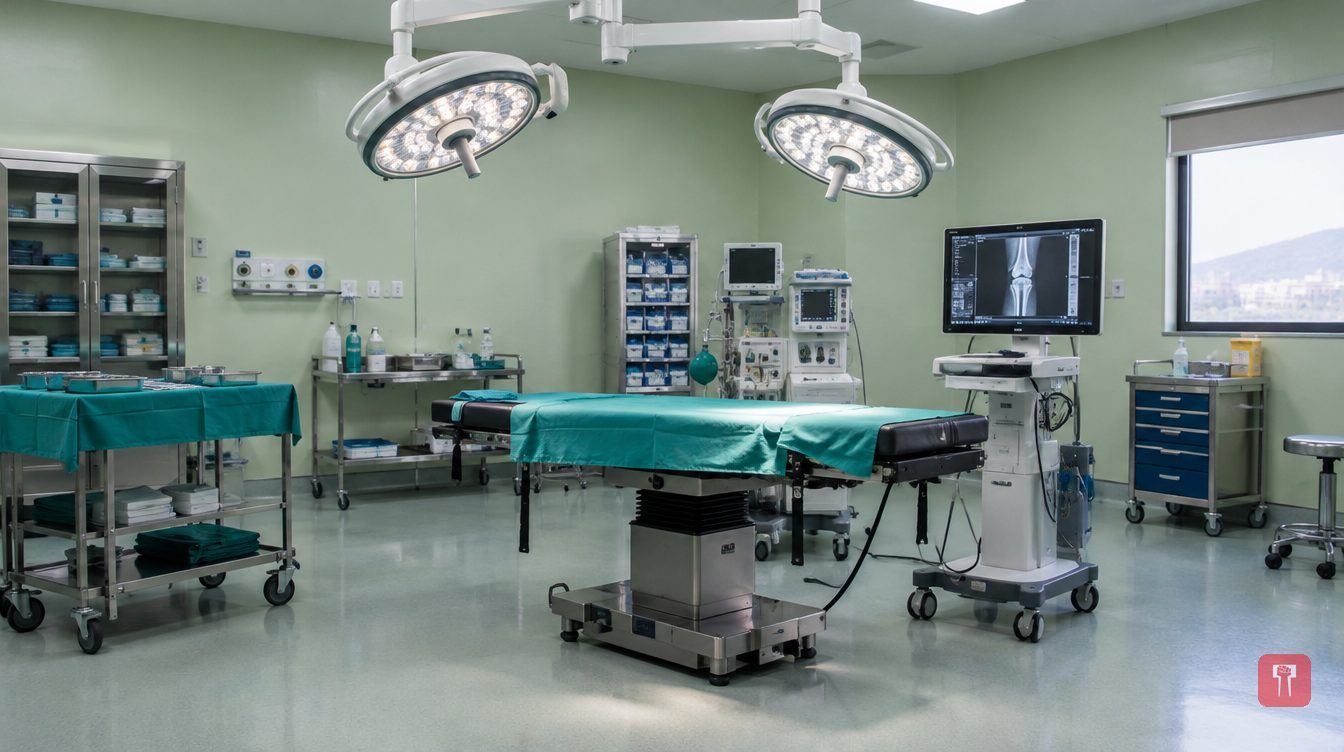 Images are not validated/verified
Wakad, October 22, 2026: Hip replacement surgery, in which the hip joint is replaced, is no longer limited to the elderly. In conditions such as avascular necrosis (AVN), the blood supply to the hip bone is affected, and this can cause serious damage to the joint even in young and middle-aged patients.
Dr Neeraj Adkar, chief robotic joint replacement surgeon and sports injury specialist at Sahyadri Vitalife Hospitals in Pune, spoke about advances in surgical techniques for treating hip pain and getting patients walking and moving again. Surgery is now also being planned with the help of technology for this purpose.
Hip pain often worsens gradually. Everyday activities such as climbing stairs, walking and travelling become difficult. As the condition worsens, routine tasks become harder for the patient. Where the hip joint has been badly damaged, hip replacement can be considered after proper medical evaluation.
What is the direct anterior approach (DAA)? It is a surgical method in which the surgeon reaches the joint through an incision at the front of the hip. The muscles are not cut; the surgeon works a path between them. One form is called the bikini incision, in which the cut is made along the natural skin fold.
For selected patients, this method may offer some benefits in early recovery. Pain may be lower and the hip may move better in the first few months after surgery. But these benefits vary from patient to patient. The evidence so far does not prove that DAA always gives better long-term results than other established methods. Whether the technique suits a patient depends on their body structure, their condition and the surgeon's assessment.
On hip navigation technology, Sahyadri Vitalife Hospitals uses the VELYS(TM) Hip Navigation System to assist in hip replacement. The hospital says it is the first centre in India to bring this technology.
According to the hospital, digital templating before surgery helps with planning, including an assessment of leg length. During surgery, navigation technology gives real-time guidance so the surgeon can check implant position, cup angle, hip offset and leg length. Such systems are meant to assist surgical planning and decisions. They do not replace the surgeon's clinical judgment, experience or responsibility for the operation.
The hospital also offers stitch-free closure techniques for selected patients undergoing hip replacement through DAA. Depending on the patient's condition and the surgeon's assessment, these may remove the need for regular external stitches and for having them removed later. The aim is to make some aspects of wound care easier, though healing time and how the scar looks may differ from patient to patient.
Dr Adkar said the rise in younger patients with conditions such as AVN has changed how hip replacement is viewed. He said, "Today we are seeing patients with conditions like AVN at a very young age, and for them hip replacement is not just about relief from pain, it is about getting their life back. In the end, technology is valuable only when it helps us give patients better care and more confidence."
In eligible patients with severe joint damage, hip replacement can reduce pain and improve mobility. This can let them return with more comfort to activities such as walking and travelling.
Patients considering surgery may find it useful to be examined by an experienced orthopaedic surgeon. This can help decide whether hip replacement is suitable and which surgical approach is best for their condition. Depending on clinical need, navigation technology and newer incision and closure methods can also be part of that discussion.

Comments
No comments yet. Be the first.