

Mumbai doctors on World Stroke Day: every minute counts, treat stroke at once
 Images are not validated/verified
At a World Stroke Day press conference at Glenegles Hospital in Parel, doctors said speed decides outcomes and urged people to reach hospital at once.
A press conference was held at Glenegles Hospital in Parel on Wednesday afternoon to mark World Stroke Day on October 29. The senior doctors stressed above all that speed is everything in stroke. They said that in most illnesses timely treatment improves outcomes, but in stroke it is absolutely essential.
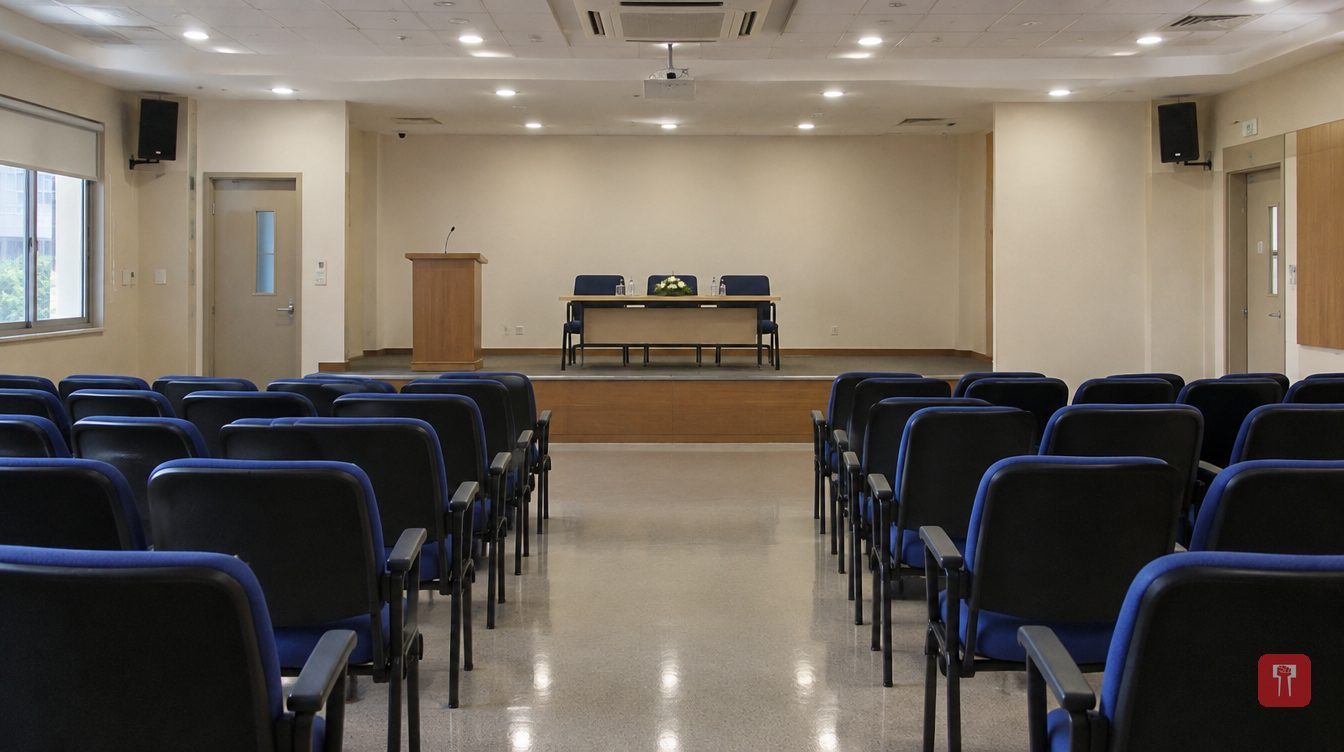
In an auditorium packed on the third floor, the team of doctors said: "Stroke is a medical emergency in which every minute matters. We see stroke in young people and sometimes in children too. It is a matter from the womb to the grave." The doctors also said stroke becomes more common with age.
The doctors also said: "Timely diagnosis, specialised stroke care and rehabilitation can help save lives, but most importantly, they reduce long-term disability." It was stated that good outcomes are achieved if treatment begins within 4 to 4.5 hours of a stroke. Treatment given within 24 hours can also be beneficial.
Dr Shirish Hastak, regional director of neurology, stroke and neurocritical care at the hospital, said: "Today is World Stroke Day, but I would be happier if it were called a day to understand stroke or to prevent stroke." He cited the example of a stroke survivor, Dr (PhD) Krishna Naik. Naik recognised that sudden symptoms could signal a stroke and reached the hospital in time, so his treatment began very quickly.
As soon as he reached the hospital, a code stroke was activated and his brain MRI was done within 10 minutes. Dr Hastak and his team then examined him, and a clot-dissolving drug was given within the next 10 minutes. Within half an hour, strength returned to his arm and leg. Yesterday he was moving around the conference, smiling and shaking hands with people.
Dr Nitin Dange, an interventional neurologist and neurosurgeon, said: "Treating stroke is my passion. Awareness is everything. If you have even the slightest doubt that something is wrong, rush to hospital. Do not try various remedies at home." Dr Pankaj Agrawal, director of neurology, stroke and neurocritical care at the hospital, said the real message is: "Stroke = time = brain. Stroke is a devil with many faces."
Several stroke survivors told their stories at the conference, among them Praveen Khatu, Satish Nikam, Dr (PhD) Krishna Naik and Tejal Bhatt. Khatu rushed to hospital when his right arm began to pull and move on its own and he started seeing different colours. According to Naik, he felt mild dizziness at a street corner in Parel and his arm went weak, after which he recognised the symptoms and reached hospital.
Nikam said he was treated for an unruptured aneurysm and had carotid stenting done in time. Tejal Bhatt's husband, Adit, said that when his wife's left arm became weak, she lost sensation and was feeling unwell, they reached Glenegles Hospital in Parel from their home in Ghatkopar as if flying on the strength of prayers. It was stated that prompt treatment gave good outcomes in every case and the survivors were feeling "first class".
Consulting neurologist Dr Sangeeta Rawat emphasised prevention. She said a good balanced diet, exercise, the quality and quantity of sleep, control and monitoring of blood pressure, diabetes and cholesterol, and saying no to tobacco and smoking are essential. Rawat asked: "For me, the point is, why should anyone have a stroke at all?"
Consulting neurologist Dr Kushal Bhatia said: "Stroke affects not just the patient but the whole family." Consulting neurologist Dr Mayur Gharat said: "Some people have a 'mini stroke', in which one or two symptoms appear and go away within a few minutes. Even so, it should not be ignored, and it is very important to investigate why it happened."
The conference introduced the acronym BE FAST for recognising the symptoms of stroke, which by its very name signals the importance of speed. Each letter points to a symptom. B is for balance: sudden loss of balance or coordination. E is for eyes: sudden loss of vision in one or both eyes. F is for face: drooping or unevenness on one side of the face. A is for arm: sudden weakness in an arm or on one side of the body. S is for speech: difficulty speaking, finding words or expressing oneself. T is for time: call an ambulance immediately and reach the nearest stroke-ready centre.
Reach readers on the ward they actually live in.
Advertise with Prime Time 24Reach readers on the ward they actually live in.
Advertise with Prime Time 24Reach readers on the ward they actually live in.
Advertise with Prime Time 24
Comments
No comments yet. Be the first.