

Barvi dam in Thane falls to 95% of capacity by end of October
 Images are not validated/verified
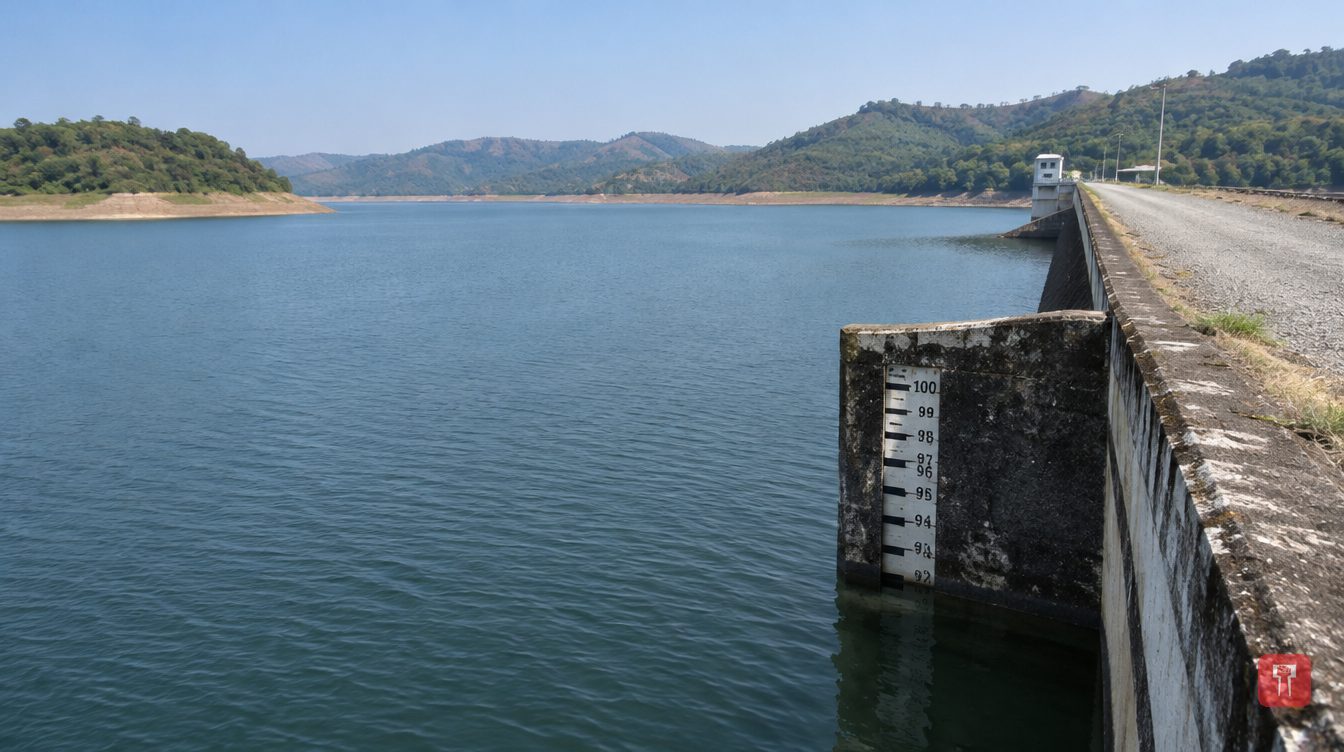
Storage in Thane district's Barvi dam has dropped to 95 per cent, raising concern over water supply until the next monsoon, especially in summer.
Water storage in the Barvi dam in Thane district has fallen to 95 per cent of its capacity by the end of October. This has raised concern over water arrangements in the coming months. Maintaining full supply until the next monsoon has become a challenge for officials, especially in summer, when demand for water is expected to rise.
Heavy rain fell in July and August, and the dam stayed full through August and September. But there was no rain after the monsoon, temperatures kept rising and daily consumption continued. These three factors gradually brought the reservoir's storage down.
The picture was different last year, when the Barvi dam was at 100 per cent capacity even at the end of October. The difference this time is clearly visible in water availability.
The Barvi dam is a major source of water for several urban and industrial areas of Thane district, including Ambernath, Badlapur, Ulhasnagar and Kalyan-Dombivli. The heavy rain in the middle of this year's monsoon filled the dam, but rain at the start of the season was not sufficient. A long dry spell after the monsoon has added to the concern about conserving a substantial reserve of water.
The next monsoon is still several months away. The district administration and the water supply authority will therefore have to manage the available stock carefully to meet demand until June and July 2027.
The challenge is expected to grow in summer, as water consumption usually rises in higher temperatures. Amid concern over availability, some local administrations have already planned water cuts.
Officials have stressed the need for prudent use of water and effective distribution planning to avoid a possible shortage in the coming months.
The current storage level of 95 per cent is quite high. Even so, keeping supply going until the next monsoon will need careful monitoring, good management and public cooperation. The coming months will be crucial in ensuring that enough water is left to meet domestic and industrial demand in the Thane region.
Reach readers on the ward they actually live in.
Advertise with Prime Time 24Reach readers on the ward they actually live in.
Advertise with Prime Time 24Reach readers on the ward they actually live in.
Advertise with Prime Time 24
Comments
No comments yet. Be the first.