

World Bank: 49.6 crore Indians moved out of poverty between 2011 and 2023
 Images are not validated/verified
The World Bank's October 2026 Poverty & Equity Brief says India's fall in poverty is among the fastest in the world, with extreme poverty down to 2.6 per cent.
About 49.6 crore Indians (496 million) rose out of poverty between 2011 and 2023, the World Bank has said in its Poverty & Equity Brief for October 2026. The bank describes India's fall in poverty over this period as one of the fastest anywhere in the world.
The estimate uses the lower-middle-income line of $4.20 a day, calculated at 2021 purchasing power parity. On that measure, the share of Indians living in poverty dropped from 57.7 per cent in 2011 to 16.1 per cent in 2023. Extreme poverty, defined as living on less than $3 a day, fell even more sharply, from 27.1 per cent to 2.6 per cent.
The bank gives three main reasons: a strong rise in consumption, more jobs, particularly for women, and a wider reach of welfare schemes such as food subsidies.
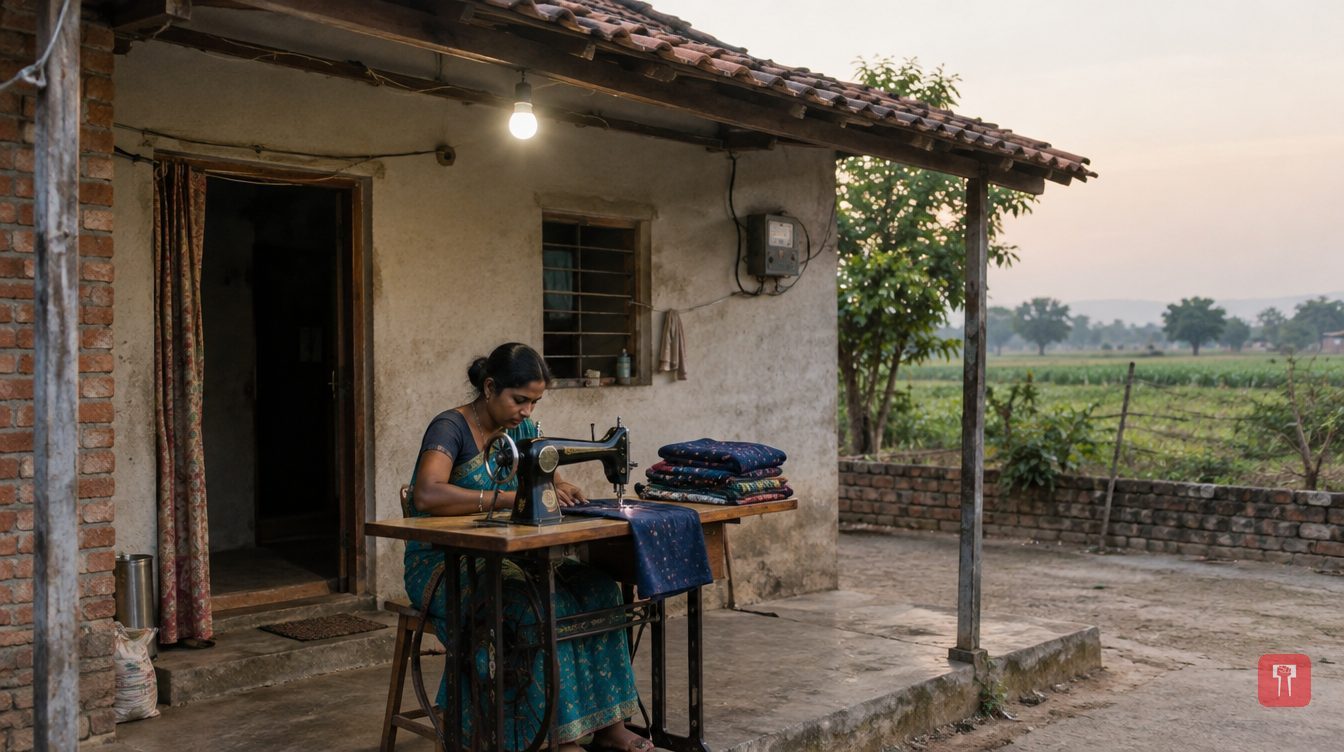
Jobs were a large part of the change. Between 2017 and 2023, employment grew by an estimated 13.4 crore (134 million) people, almost twice the rate at which the working-age population expanded. Rural women accounted for much of this increase. They took up paid work in large numbers, which lifted household incomes and raised the number of earners in each family.
Living standards and well-being improved in both villages and cities. Progress was quicker in rural India, so the gap between rural and urban areas has narrowed. Citing a 2022 survey, the bank also noted that electricity connections now cover 99 per cent of the population.
The bank expects the decline to continue, though more slowly. It projects that the share of people below the $4.20 line will go from 14.2 per cent in 2026 to 12.1 per cent by 2028. This is a forecast and not a recorded result.
The report also points to the problems that remain. As poverty recedes, those still affected are increasingly found in households with less schooling, fewer assets, fewer job openings and more dependents. Wage inequality is also sizeable. In 2023, the top 10 per cent of workers earned about 13 times as much, on average, as the bottom 10 per cent, according to the bank.
Union Minister Nirmala Sitharaman shared the figures on X on October 30, 2026. She said the sustained efforts of the government under Prime Minister Narendra Modi were yielding concrete results and strengthening the base for inclusive growth. In her view, this is why the National Democratic Alliance (NDA) government enjoys the trust and mandate of the people.
Ms Sitharaman added that the government remains committed to carrying this progress forward. She said it would concentrate on productive employment, higher household incomes and effective delivery of public services, so that the aspirations of the people can be met.
Reach readers on the ward they actually live in.
Advertise with Prime Time 24Reach readers on the ward they actually live in.
Advertise with Prime Time 24Reach readers on the ward they actually live in.
Advertise with Prime Time 24
Comments
No comments yet. Be the first.