

Will depositors get answers at Nirmal Ujjwal credit society's annual meeting
Nagpur's Nirmal Ujjwal Credit Co-operative Society holds its 37th AGM on September 24 amid months of depositor complaints and a regulatory clampdown
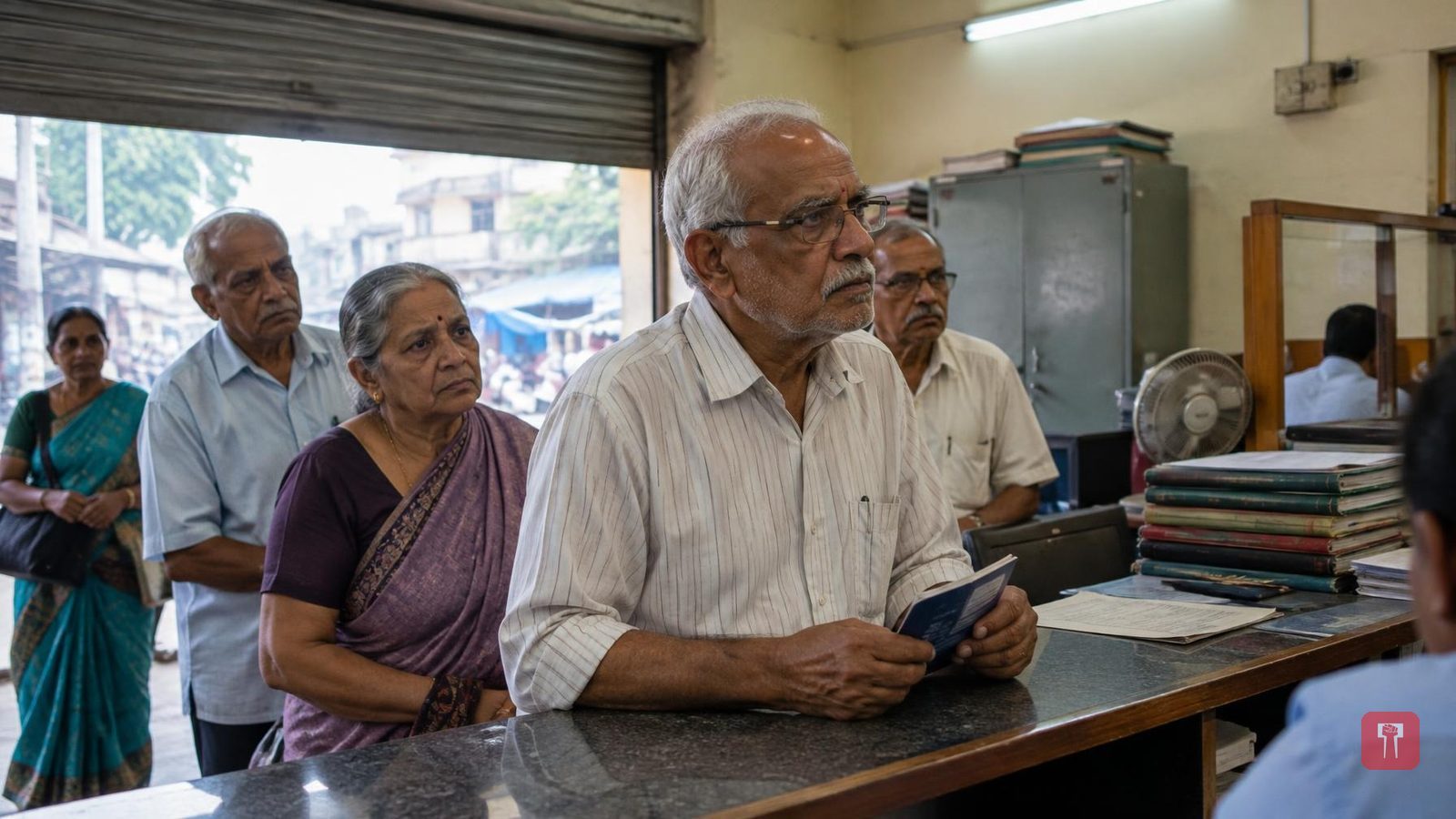
Depositors of Nagpur's Nirmal Ujjwal Credit Co-operative Society have been raising questions for months, and attention is now on the society's 37th Annual General Meeting (AGM), due to be held on September 24, 2026.
The AGM notice issued by the society asks members to attend the meeting. It states that if the quorum is not met, the meeting will be adjourned for half an hour and reconvened the same day at the same venue, when the quorum requirement will not apply. The notice also asks members to "maintain decorum" during the meeting.
This raises a larger question: is this simply routine administrative caution, or preparation to cut short sharp questions by turning "decorum" into an issue? It is not possible to say right now that the society has any such plan, but given the current situation, the question is a natural one to ask.
Depositors' concerns remain unresolved. The biggest controversy around Nirmal Ujjwal in 2026 arose over the payment of depositors' matured fixed deposits (FDs). Many depositors have alleged that despite their FDs maturing, payment has been delayed. Some depositors said they had to make repeated trips to branches and wait for payment.
The situation worsened in August, when depositors went to the founders' homes and demanded return of their deposits. The protesters alleged delays in payment of matured FDs. In Chandrapur too, account holders complained of difficulties in withdrawing deposits, prompting demands for a local inquiry.
Regulatory action is also under way. The matter is not limited to depositor complaints alone. In April 2026, the Central Registrar of Cooperative Societies (CRCS) barred Nirmal Ujjwal from accepting new deposits, contributions and investments, and from renewing existing deposits. The action cited prima facie concerns about financial irregularities, diversion of funds, conflict of interest and regulatory non-compliance in the society's functioning. Court records related to the matter also mention these inquiries and regulatory actions. However, these observations and allegations cannot be presented as a proven offence.
In June, reports emerged that the society had reportedly received a "clean chit" from a Special Investigation Team (SIT), though many questions remained. While the society claimed this brought relief, the regulatory action and depositors' complaints about payment continued to be discussed. This means the core question for depositors remains the same: if everything about the society's financial position is clear, what is the status of payment of matured deposits? The society has also said deposits are safe, but depositors continue to raise questions about the payment timeline and the return of their individual deposits.
At the September 24 AGM, discussion of the Balance Sheet, Profit and Loss statement and Budget alone will not be enough. Given the current controversy, members and depositors have some direct questions before them: how many FDs have now matured but remain unpaid? What is the total outstanding payment amount? What is the clear timeline for paying depositors? What is the society's current financial position after the CRCS action? What steps has the society taken regarding the ban on new deposits and renewal of existing deposits? What is the current status of the SIT inquiry and what is its official conclusion? Why is a proposal to sell the society's assets being brought before the AGM, and what will the proceeds be used for? And most importantly, when will depositors whose deposits have matured get their money back?
Maintaining discipline and civility at the AGM is certainly necessary. But decorum should not mean that members cannot ask difficult questions about their money and the society's functioning. The September 24 meeting matters because it will not be merely a formal AGM. Against the backdrop of the disputes and depositors' concerns linked to the society, management will have the opportunity, on this very platform, to respond with documents and figures. And if questions are asked, the most important thing will be that they are answered on record, rather than being avoided by turning them into a matter of "decorum".
The AGM will happen, and there will be questions. What remains to be seen is how many answers are given.
