

Why steel and iron vessels should not be used for Shraddh rituals in Pitru Paksha
Hindu tradition holds that silver, copper, brass or bronze vessels should be used for tarpan and Shraddh during Pitru Paksha, never steel, iron, glass or plastic
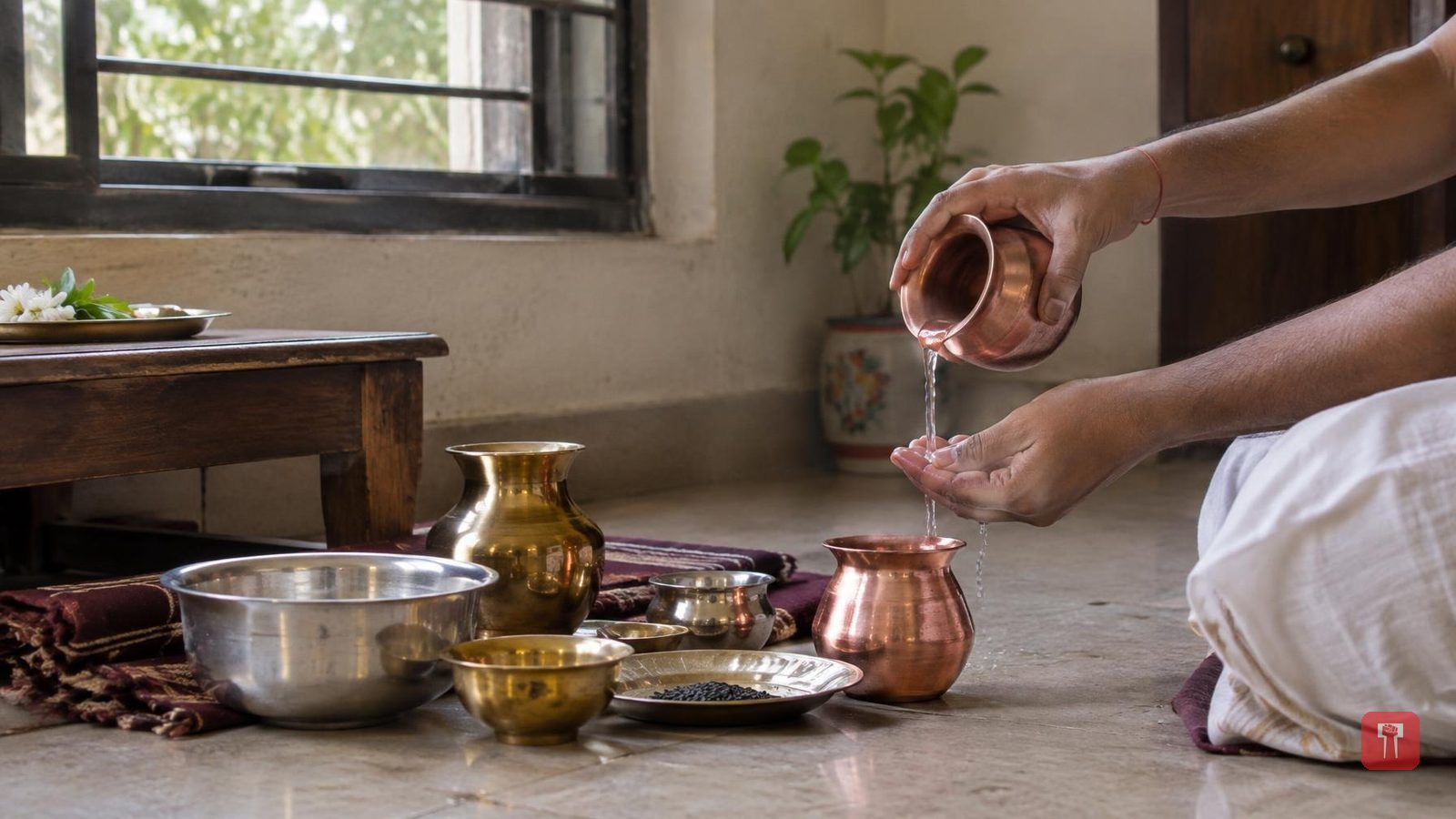
Pitru Paksha begins on the full moon of Bhadrapada or the first day of the dark fortnight of Ashwin and ends on the new moon. This year, tarpan and Shraddh rituals will begin on Sunday, September 27, and ancestors will be bid farewell on Saturday, October 10. Over these 16 days, there is a long-standing tradition of offering water to ancestors and performing Shraddh rites.
According to Hindu religious belief, offering water to ancestors with devotion during these days and giving alms in their name brings their blessings and relief from Pitru Dosh. Tradition also gives special importance to the vessels used for the tarpan ritual. Here is what metal vessels should be used for the Shraddh and tarpan rituals.
According to religious tradition, silver vessels are considered best for tarpan and Shraddh rituals. In Hinduism and astrology, silver is regarded as the purest and most sacred metal and is associated with the Moon. Silver vessels should be used for tarpan, pind daan and feeding Brahmins.
If silver vessels are not available at home, brass, copper or bronze vessels can also be used. According to astrology, copper is associated with the Sun and Mars, brass with Jupiter, and bronze with Mercury and Venus. Vessels made of these metals can be used for tarpan, pind daan or feeding Brahmins.
If copper, brass or bronze vessels are also not available, a plate and bowl can be used. It should also be kept in mind that only cow's milk, ghee and curd should be used in the Shraddh ritual, and these should never be placed directly on the ground. Kusha grass matting can be used for this. If kusha matting is not available, a blanket, woollen, wooden or silk cloth can be spread instead.
Steel or iron vessels should be avoided for tarpan and Shraddh rituals during Pitru Paksha. Many people use steel or iron vessels for tarpan and for feeding Brahmins, which is not considered correct. Using steel or iron vessels during Pitru Paksha is strictly prohibited. Glass or plastic vessels should also not be used, as they are associated with negative energy and impurity.
To perform tarpan during the 16 days of Pitru Paksha, bathe in the morning and wear clean clothes. After this, sit in a quiet place and remember your ancestors. Fill a clean vessel with water and add black sesame seeds to it. According to tradition, while performing tarpan, the water is offered facing south. After this, remember the name and gotra of your ancestors and offer the water with devotion. This water is usually poured slowly through the palms. While performing tarpan, one should maintain a feeling of respect and gratitude towards one's ancestors.
After performing tarpan, it is considered auspicious to donate food grains, clothes or other items in the name of ancestors, according to one's means. In many households, there is also a tradition of giving alms to the needy, Brahmins or cows. According to religious belief, the Shraddh ritual is not just a ceremony but an occasion to express respect, gratitude and remembrance for one's ancestors.
