

Why pumpkin curry is served on the shraddha plate during Pitru Paksha
Many families cook pumpkin without onion or garlic for ancestral rites, as it is regarded as a sattvik and pure vegetable.
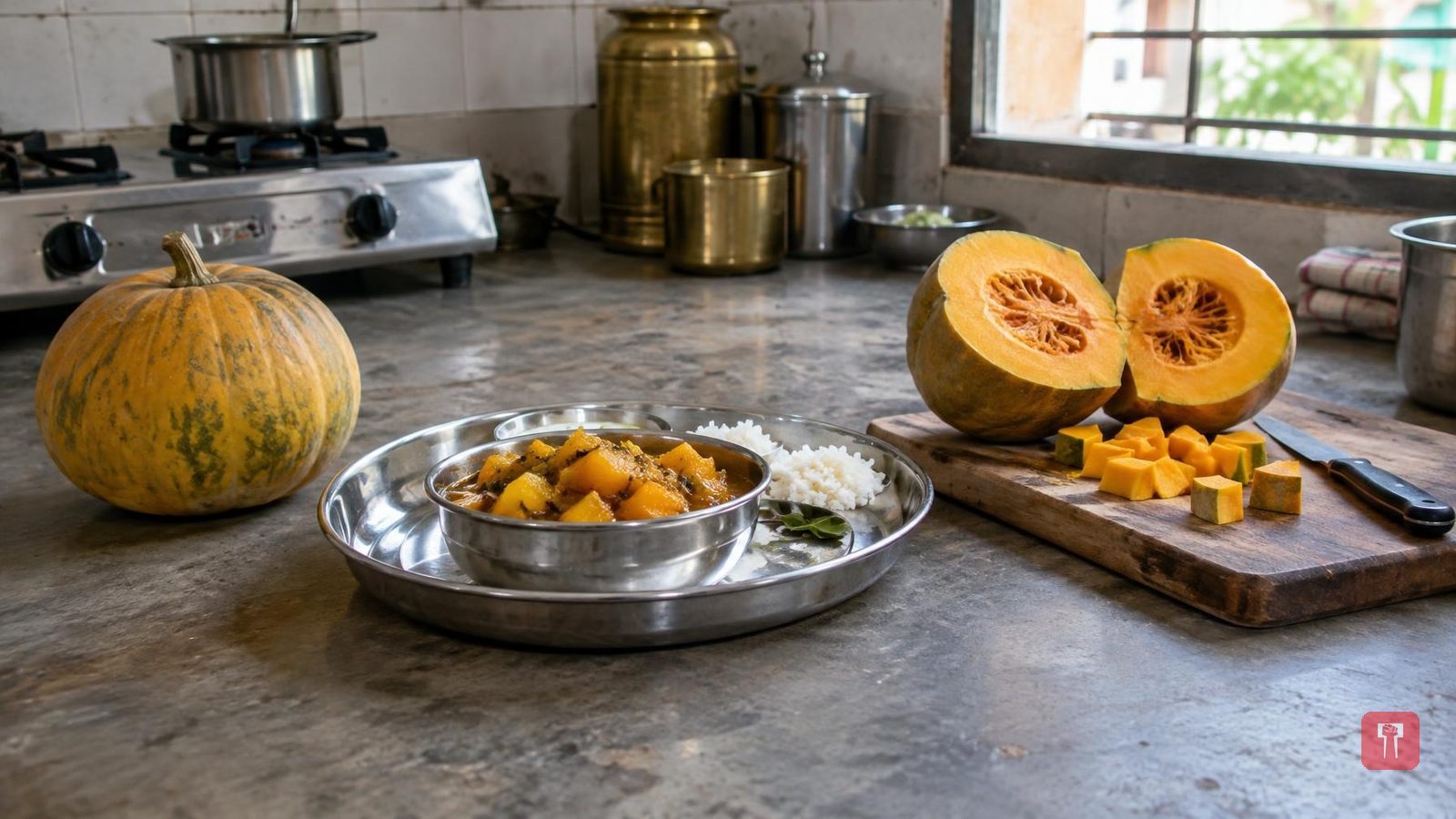
In Hinduism, Pitru Paksha is considered a special period for showing respect and gratitude to ancestors. Alongside shraddha, tarpan and pind daan, several food-related traditions are observed in these days. One such tradition is cooking pumpkin curry during Pitru Paksha. In many families, pumpkin is regarded as a sattvik and pure vegetable, and so it is specially included in the shraddha meal.
According to religious belief, offering sattvik food to ancestors during Pitru Paksha brings their blessings and keeps peace and happiness in the family. Traditions around pumpkin also differ from region to region. Here is why pumpkin curry is given such importance in Pitru Paksha.
The pumpkin, which came from America, has become a staple of the Indian kitchen. It is also known by names such as kashifal, kumra and petha. Ayurveda regards it as a medicinal fruit. Its importance grows manifold in Pitru Paksha, because in these days many homes cook a sweet-and-sour pumpkin curry without onion or garlic.
Along with shraddha, tarpan and pind daan for ancestors in Pitru Paksha, there is also a tradition of feeding Brahmins and preparing sattvik food for them. This meal includes several dishes of religious and traditional significance. Pumpkin curry is one of them.
According to religious and folk belief, the naivedya prepared for ancestors should be sattvik and pure. Pumpkin is also considered a sattvik vegetable, which is why it is specially used in shraddha rituals in many places. It is believed that the sattvik naivedya prepared for ancestors pleases them and keeps their blessings on the family.
Another feature of pumpkin is that it can easily be cooked without onion and garlic. Tamasic foods are avoided in Pitru Paksha, so this plain, sattvik and light vegetable becomes part of the shraddha plate.
There are many folk beliefs about pumpkin in different parts of India. In some areas it is also seen as a symbol of the eldest son of the family. For this reason, in some families women do not cut the pumpkin directly. First a man of the house splits it into two equal halves, and then the women cut small pieces from it to cook the vegetable. In some places it is not the practice to cut a pumpkin alone. It is often cut together with a lemon, a chilli or another vegetable.
