

When a gold loan is auctioned and what rights the borrower has
An auction comes only after default and a chance to set things right, and any money left after dues are cleared belongs to the borrower.
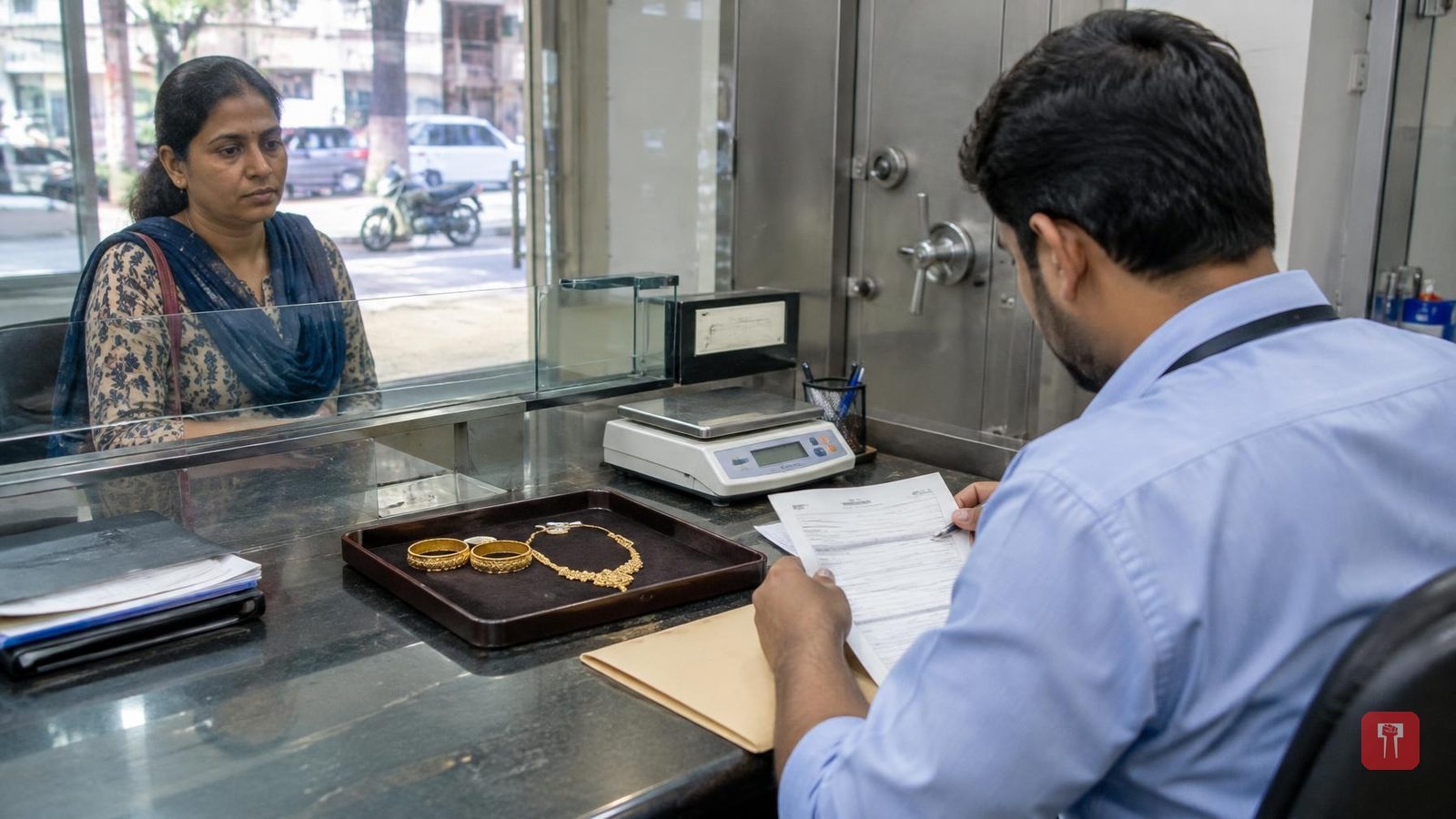
Nobody taking a gold loan expects it to end in an auction. A person pledges jewellery, takes the money they need and means to repay it. But circumstances sometimes intervene, instalments are missed and the lender begins talking of selling the gold to recover its money.
The word auction is frightening, and it feels as if the jewellery is gone. But the matter is not that simple. There is a set process before any sale, and the borrower has real rights throughout.
An auction happens only when the borrower has defaulted and has already had a chance to put things right. It is the lender's last resort, not its first step. It comes when the borrower neither repays nor renews the loan, and does not respond to the lender's efforts even as the dues keep growing. By the time an auction looms, several stages have passed. The loan term has ended or the dues have run past the limit, and the borrower has either stayed silent or been unable to pay. The pledged gold was security from day one, so the lender turns to it to recover the money. But none of this begins before default. That is why talking early about a weakening loan keeps an auction away.
The lender must take several steps before selling the gold, and these exist to protect the borrower. It cannot sell the gold the day after a missed instalment. Generally it must first warn that the loan has gone into default and that the gold may be auctioned if nothing is done. That warning is a chance for you. Before the sale, you can pay, renew the loan or work out an arrangement. Reminders usually come first, followed by a formal notice stating how much you owe and the date by which you must pay to stop the auction. The aim is that nothing happens behind your back and you get a genuine chance to recover the gold. A lender that skips these steps and sells in haste has wronged the borrower, because it cannot quietly bypass this pre-auction process.
Borrowers have more rights than many realise. First, proper notice before the auction, so that you know and have time to respond. Your gold cannot legally be sold without your being told. Second, the auction must be fair and open, so that the gold fetches a fair price and does not go for a pittance. Third, and most important: whatever money is left over is yours.
If the gold sells for more than your total dues, including interest and costs, the excess must be returned to you. An auction is meant to recover a debt, not to profit from someone's distress.
The sale proceeds are applied in a fixed order. First the dues are cleared: the remaining principal, the interest accrued at the gold loan's agreed rate, and the legitimate cost of the auction. Whatever remains after all this is surplus, and it is yours. The lender cannot keep it and must return it. If the debt was less than the sale amount, you should receive the difference. Conversely, if the sale does not clear the full debt, you may have to make up the shortfall.
The way to avoid an auction is to act early and stay in touch with the lender. The borrower's biggest mistake is to go silent, because that silence is what pushes a loan towards auction. Lenders almost always want their money back more than they want to sell the gold. If you are in difficulty, talk before matters worsen. You can renew the loan, reduce the dues by part payment and ask for time, or keep the loan running by paying the accrued interest. Keeping your gold loan papers and loan details at hand makes the conversation easier, because you know at once where you stand.
If an auction does happen, check whether the lender acted properly. First, whether proper notice was given before the sale. A gold loan sold without warning is not considered a fair process. Also find out whether the auction was held openly and not in secret, because an open sale is what keeps gold from going for next to nothing. Then ask for an account of the money. Ask the lender to state clearly what the gold sold for, how the money was applied to the dues, how much interest was charged, what costs were added and whether there is a surplus to be paid to you. The most important figure is the surplus. If the sale exceeded the dues, you have a right to the remaining amount. Keep every notice and all the gold loan papers. If you have to question the sale, they will be your evidence.
Regard an auction not as arbitrary seizure of jewellery but as a last resort with safeguards. It happens only after default, it requires notice and a fair sale, and the money left over is yours. These protections exist because your gold matters and the law recognises that. It is best if matters never reach an auction, and talking early when repayment is hard helps towards that. But if it happens, remember your rights: proper notice, a transparent sale and the return of surplus money. Keep your gold loan papers in order, check that the interest rate and costs have been applied correctly, and demand a fair process from the lender. An auction is a serious matter, but it is not an arbitrary one.
