

What is Avidhava Navami and how are ancestors remembered on this day
Avidhava Navami, also called Matru Navami, falls in Pitru Paksha and honours married women, living and departed, in different ways across families.
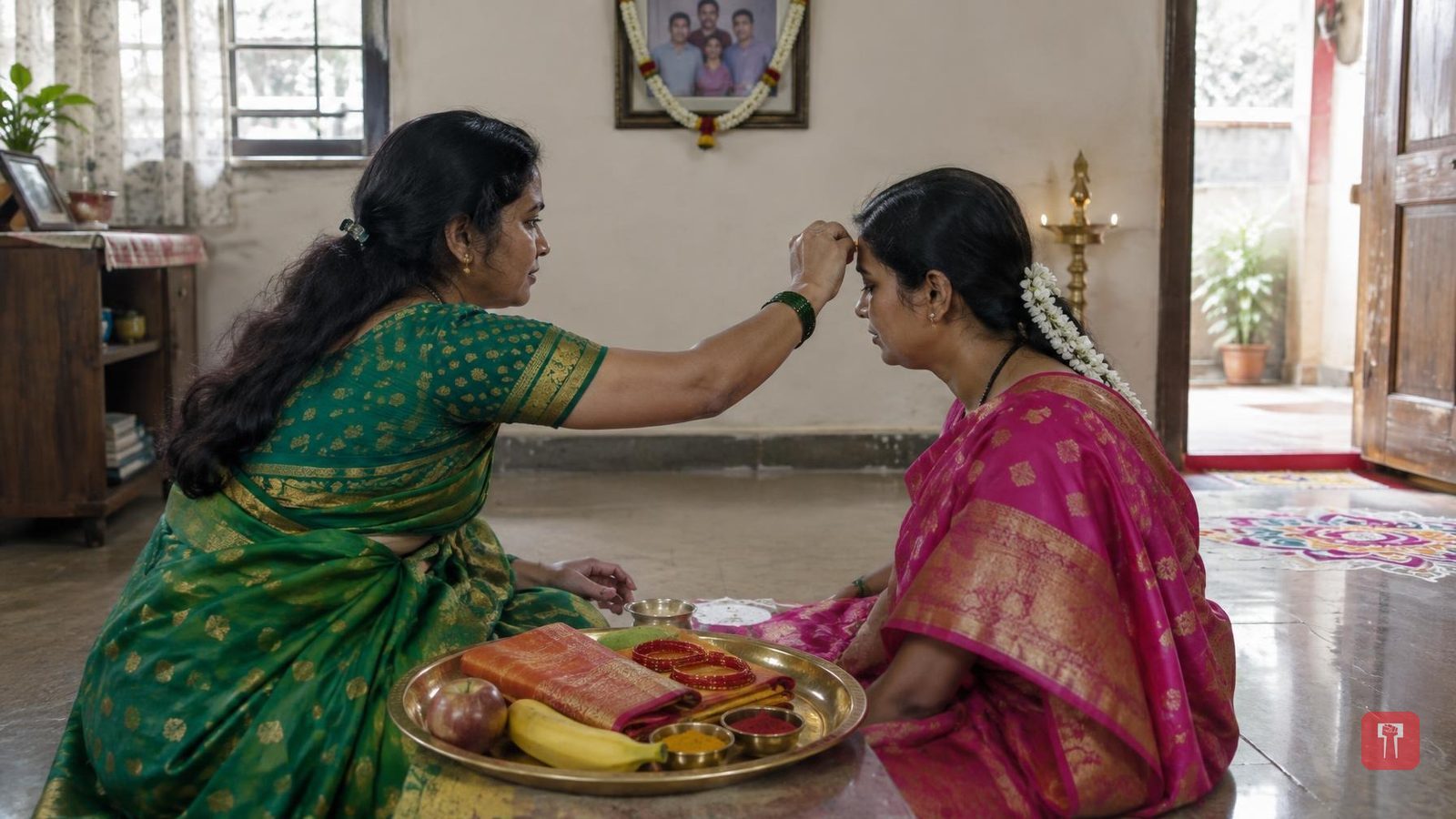
Avidhava Navami is also known as Matru Navami or Aher Navami. It is the navami tithi that falls in Pitru Paksha, the days of shraddha. The day is dedicated to the shraddha and remembrance of women who died while their husbands were alive. It is regarded as an important religious tithi in Hinduism.
The tithi is known as a religious tradition observed in honour of married women whose husbands are alive, and for their good fortune. In some regions it is also called Avidhava Navami, Navami Shraddha or Matru Navami. However, the meaning of these names and rituals can differ by region and tradition.
Avidhava means a woman whose husband is alive. In some families, therefore, it is customary on this day to honour a married woman as a symbol of good fortune.
What is done on the day also varies with family tradition. A married woman is invited home and her ola is filled. Haldi-kumkum is applied to her, and she is given fruit, clothes or items symbolising marital good fortune.
In some traditions, ancestors who died are remembered on this day and shraddha or tarpan is performed for them. Avidhava Navami is therefore not linked only to marital good fortune. It is also tied to the memory of departed mothers, grandmothers, wives and other married women of the family.
The tradition involves honouring the women of the family, remembering ancestors and praying for the family's well-being. Applying haldi-kumkum to a married woman, filling her ola or giving her items of marital good fortune is seen as a way of wishing her a happy married life.
However, the worship and rituals of Avidhava Navami are not all the same. In some places it is linked to the navami tithi of Pitru Paksha, while some families observe it differently. In fixing the exact tithi and rituals, it will therefore be important to see what the family tradition and the local panchang say.
