

What happens when body tissues lack oxygen: causes and symptoms of hypoxia
Hypoxia, a shortage of oxygen reaching the body's tissues, can affect anyone from infants to the elderly and may arise suddenly or build up gradually.
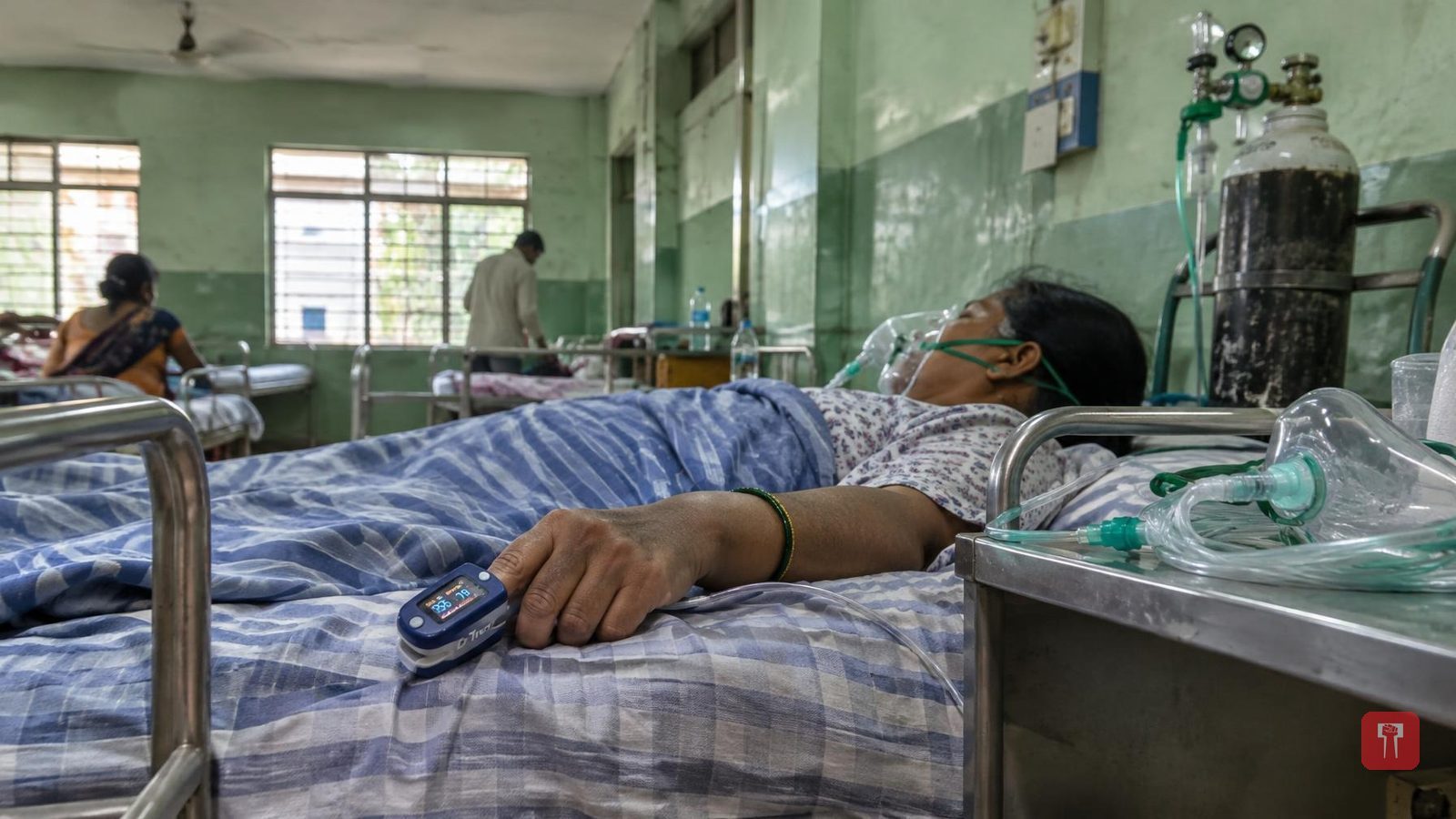
Every muscle in the body needs oxygen to function properly. Vital organs such as the brain, heart, lungs and kidneys need even more of it. When the body's tissues do not get as much oxygen as they require, the condition is called hypoxia.
The condition can affect anyone, from small children to the elderly. It sometimes develops suddenly. In long-standing lung or heart diseases, it can also worsen gradually.
Hypoxia and hypoxaemia are two different terms. A low amount of oxygen in the blood is described by a separate term, while tissues not receiving enough oxygen is hypoxia. The two are distinct, but it is low oxygen in the blood that leads to hypoxia in the tissues. Since every cell in the body needs oxygen to stay alive and function, the condition is described as very serious and one that needs attention.
Among the early symptoms, when the oxygen supply falls the body tries to compensate by raising the rate of breathing and the heartbeat. Early on, a person may experience breathlessness, rapid breathing, a faster heartbeat, dizziness, headache or difficulty concentrating.
The causes listed include asthma, pneumonia, severe respiratory infections, long-term lung disease, a clot lodged in the blood vessel of the lung, heart disease and heart defects present from birth. Severe anaemia can also obstruct enough oxygen from reaching the tissues.
The problem can also arise from a blockage in the airway or from suddenly going to a very high altitude. In children, infections of the airway and certain congenital conditions are described as important causes.
In sum, asthma, pneumonia, lung diseases, heart disease, anaemia and airway obstruction can lead to the problem. Breathlessness, rapid breathing, a raised heartbeat, dizziness and difficulty concentrating can be its early symptoms.
