

What dearness allowance is, its types and how it is fixed for government employees
Dearness allowance, which offsets the effect of inflation on pay, is revised twice a year and has been raised from 58 to 60 per cent from January 2026.
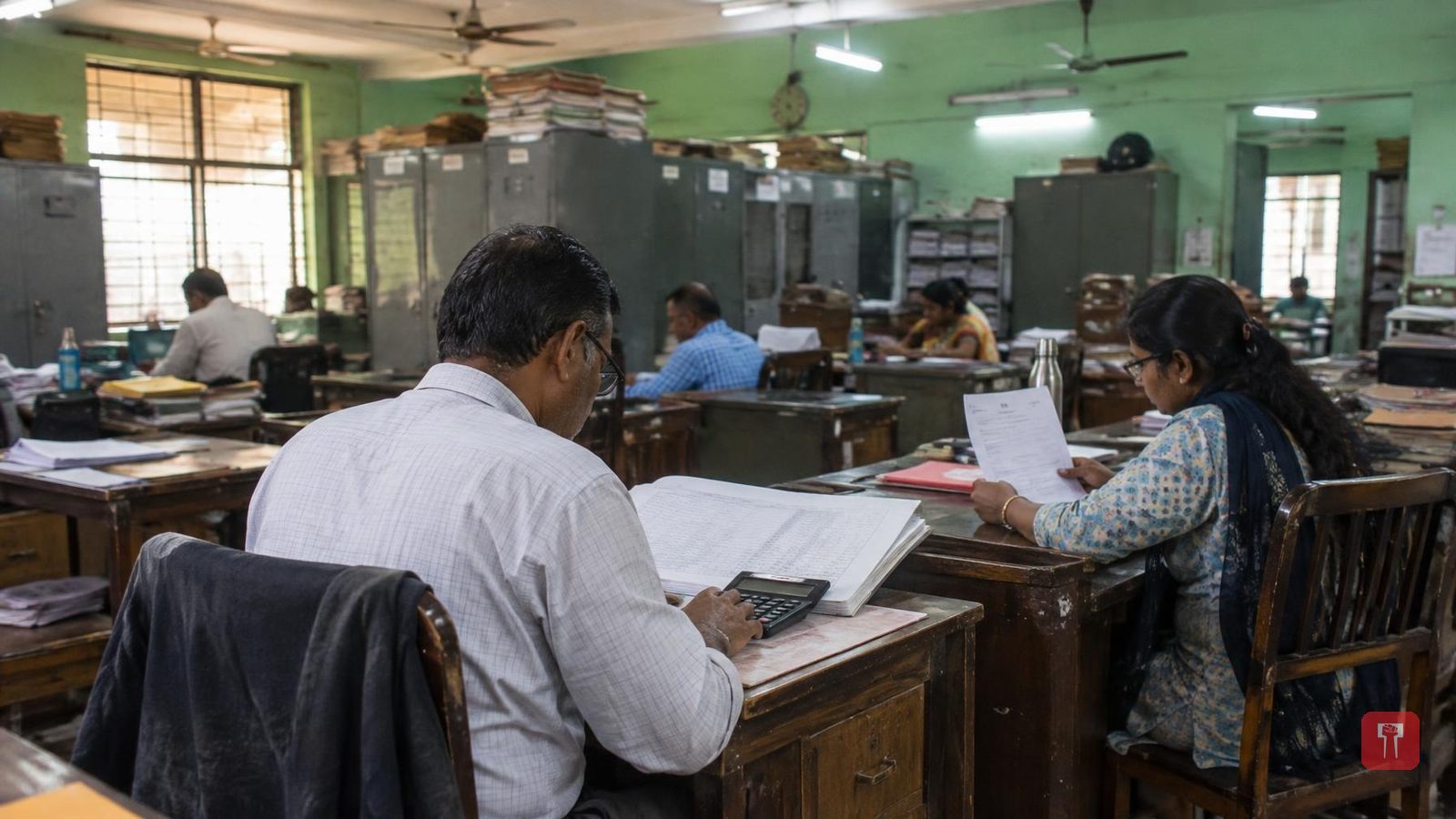 Images are not validated/verified
Central government employees await the dearness allowance (DA) eagerly each time it is revised. The questions are what exactly the allowance is, how many kinds there are and how it is calculated.
The government pays the allowance to its employees to reduce the effect of rising prices on their everyday expenses. When DA goes up, employees' salaries rise as well. Inflation figures play a major role in deciding its rate.
The Centre generally revises DA twice a year. The announcement is usually made in March and October, while the new rates apply from January and July. DA is fixed on the basis of the All India Consumer Price Index (AICPI) data. The index measures the change in the prices of goods and services over time.
The average AICPI data of the past 12 months is used for the calculation. Under the Seventh Pay Commission, DA for central government employees is calculated according to a fixed formula. For public sector employees, the calculation uses the average data of the past three months.
Under the formula, the government sets the new rate on the basis of inflation figures. From January 2026, DA for central government employees and pensioners has been raised from 58 per cent to 60 per cent, an increase of 2 percentage points.
To understand DA, it is necessary to know its two main types. The first is industrial dearness allowance, or Industrial DA. It applies mainly to industrial workers in the public sector. It is reviewed every three months on the basis of the consumer price index.
The second type is variable dearness allowance (VDA). It is used to protect workers who receive a fixed minimum wage from inflation. Its rates are changed in line with the consumer price index and the minimum wage rules. Note that the DA of regular central government employees and the VDA of workers on minimum wages are fixed under different rules.
On benefits, eligible employees of the Centre and state governments, as well as pensioners, are given the relevant allowance or relief to protect them from inflation. However, DA is not mandatory for employees of private companies. It depends on the rules governing their employment and pay.
DA is part of the salary and is taxable under income tax law. Employees must declare it in their income tax returns. A rise in DA can increase take-home pay, but the actual benefit will depend on the employee's basic pay and the applicable tax rules. Along with knowing the new rate, it is therefore important to understand the basis of the calculation and how the increase will affect your salary.
