

What CEC Gyanesh Kumar earns each month and the government perks that come with the post
Chief Election Commissioner Gyanesh Kumar draws Rs 2,50,000 a month, equal to a Supreme Court judge, amid a political row over SIR and Form 6 changes.
The political temperature in the country is high over the Special Intensive Revision (SIR) of electoral rolls and changes to 'Form 6' for voter registration. The Opposition has sharpened its attack on Chief Election Commissioner (CEC) Gyanesh Kumar. The Cockroach Janta Party has also announced a peaceful agitation from October 10.
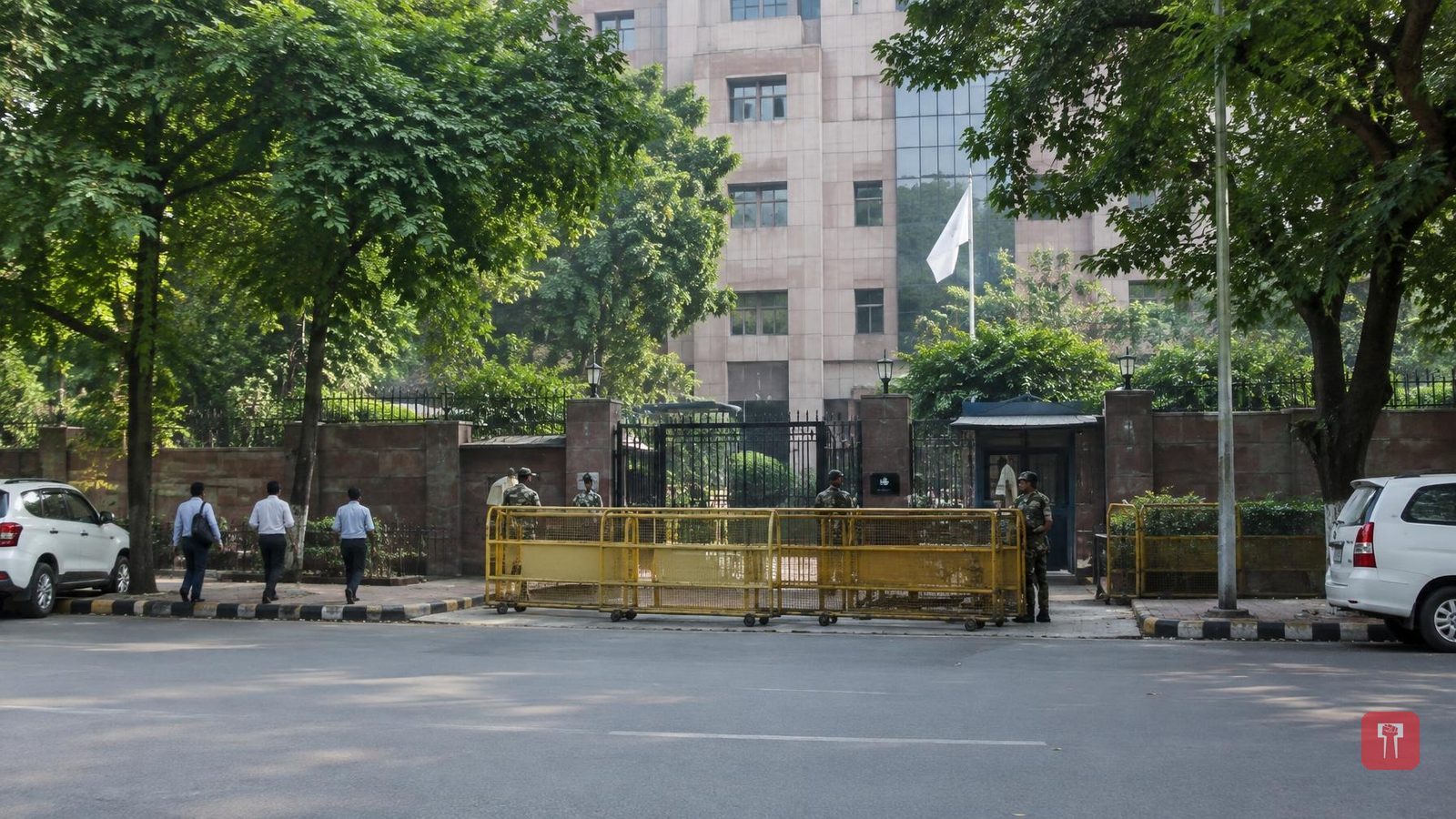
A march led by Leader of the Opposition in the Lok Sabha Rahul Gandhi headed towards the headquarters of the Election Commission of India (ECI), but security forces stopped it near Akashvani Bhawan. With the CEC at the centre of the uproar and the political dispute, people have grown curious about his salary and the government facilities he receives.
The post of Chief Election Commissioner is counted among the most important and highest constitutional offices in the country. Gyanesh Kumar is a 1988-batch IAS officer of the Kerala cadre and has held several key positions in the Union government. He became the 26th Chief Election Commissioner of India on February 19, 2025.
According to media reports, Kumar receives a salary of Rs 2,50,000 a month in this post. This is equal to the pay of a Supreme Court judge or the Cabinet Secretary. The CEC's salary was earlier also on a par with that of Supreme Court judges. Besides the salary, the CEC is given several special, high-grade facilities.
The first is a special allowance. He gets Rs 34,000 a month. However, the CEC and the other Election Commissioners have voluntarily decided to give up the income tax exemption available on this allowance.
The second is Leave Travel Concession (LTC), available to the CEC, his spouse and dependent family members. The facility is available three times a year, but he has voluntarily reduced his use of it to once a year.
For accommodation, he is given a free government residence, a bungalow. An official government car, a driver and tight security also come with the post. Services such as electricity, water and telephone are provided free or at heavily subsidised rates. The CEC and his family also get free medical treatment and health facilities. After retirement, he is entitled to a good pension and other government benefits applicable to holders of the highest constitutional offices.
There is no official public information on Kumar's net worth. In April this year, however, former Trinamool Congress (TMC) MP Saket Gokhale raised questions on the issue.
Gokhale had asked why details of Kumar's assets were withheld under the Right to Information (RTI) Act as 'personal information'. Gokhale also claimed that details of Kumar's assets from his time as an IAS officer should have been publicly available.
