

Washim collector seeks NGO, CSR help as 247 villages face water scarcity risk
 Images are not validated/verified
Collector Yogesh Kumbhejkar urged NGOs and CSR partners to join water conservation work in Washim, where rainfall fell 37.37 per cent and groundwater has dropped.
Anticipating water scarcity in Washim district in the coming days, Collector Yogesh Kumbhejkar has appealed to voluntary organisations and companies working under corporate social responsibility (CSR) to take an active part in water conservation work. He was speaking at a meeting of NGOs and CSR partners at the Katepurna hall.
Resident Additional Collector Vishwanath Ghuge, Soil and Water Conservation Engineer Harendra Waghmare, Disaster Management Officer Shahu Bhagat, Dr Harish Baheti, Avinash Marshetwar, Deepa Wankhede, Dr Archana Mehkar, Vrushali Tekale and advocate Bharti Somani were among those present.
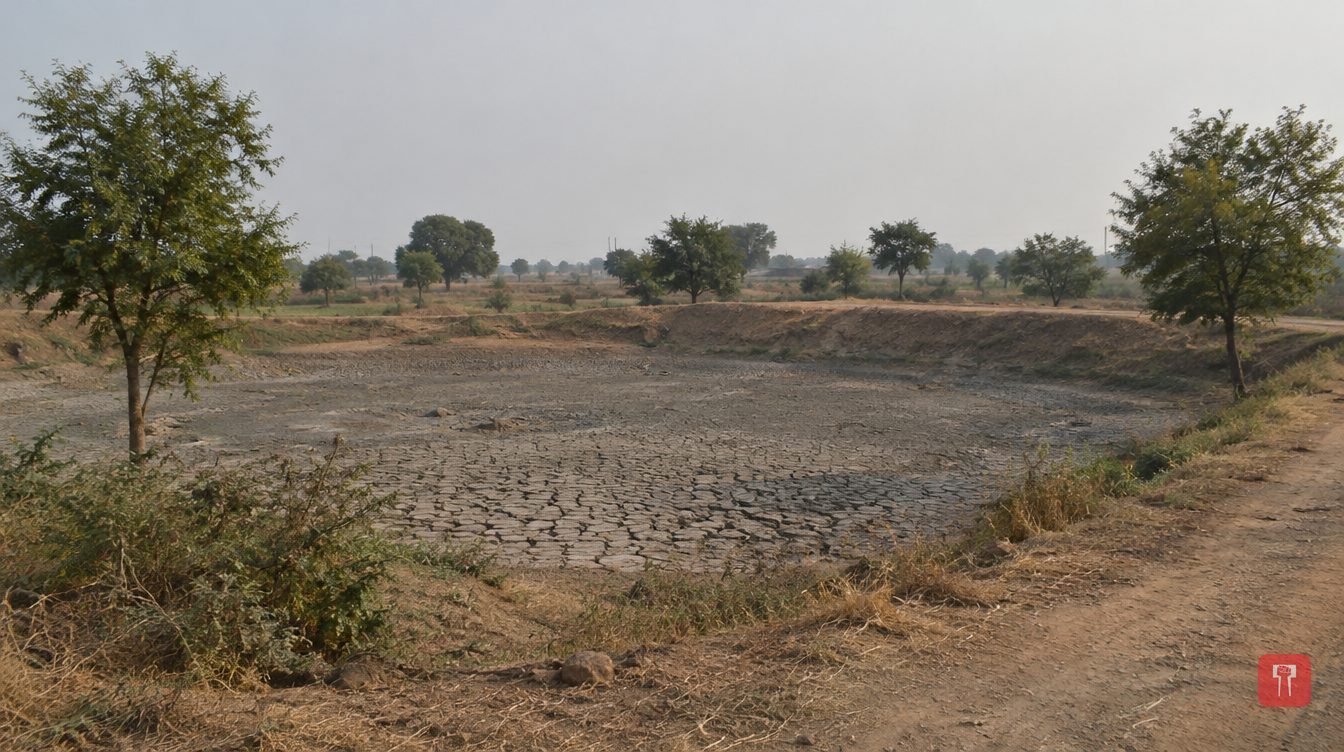
On behalf of the Soil and Water Conservation Department, Waghmare briefed the meeting on the proposed works and the funds required. He said the district received 485.78 mm of rain between June and September, a shortfall of 37.37 per cent. As a result, groundwater levels have fallen by an average of 1.11 metres in 77 of 79 observation wells. Water scarcity is likely to set in across 247 villages of the district in three phases. Raising the capacity of water storages and groundwater recharge works are therefore being given first priority.
The "Gadmukt Dharan Gadyukt Shivar" (silt-free dams, silt-laden fields) and "Nala Deepening and Widening" schemes are under way in the district. Organisations and CSR partners can help with machinery and fuel, silt removal, awareness, project reports and delivery of silt to eligible farmers.
The cost of machinery and fuel for silt removal has been fixed at Rs 31 per cubic metre. Under the silt-free dams, silt-laden fields scheme, eligible farmers will get a subsidy of Rs 35.75 per cubic metre for transporting silt. The benefit is provided at Rs 15,000 per acre, for a maximum of two and a half acres. The cost of transporting silt removed from nala deepening will not be paid.
A committee headed by the collector will select the organisations. An organisation must be registered, have audited accounts for the past three years, adequate manpower, and experience in monitoring and evaluation. Geotagging of works, before and after photographs, daily silt removal details and records of machinery work will be entered on the "Avani Gramin" app.
Kumbhejkar said organisations should choose talukas and water bodies according to their area of work and contribute in the form of machinery or CSR funds. They must submit to the Soil and Water Conservation Department an introduction of the organisation, registration details, information on past work, and a proposed work plan for Washim district.
The proposed plan includes 174 works to remove silt from ponds, 176 works to deepen and widen nalas, and 5 cement storage dams. About 32.5 lakh cubic metres of silt is to be removed from ponds, which could provide fertile silt to about 8,100 acres of farmland. The aim is also to restore about 3.25 million cubic metres of storage capacity in the ponds.
Reach readers on the ward they actually live in.
Advertise with Prime Time 24Reach readers on the ward they actually live in.
Advertise with Prime Time 24Reach readers on the ward they actually live in.
Advertise with Prime Time 24Reach readers on the ward they actually live in.
Advertise with Prime Time 24
Comments
No comments yet. Be the first.