

Vidarbha records 27% rain deficit as monsoon set to begin withdrawal
Amravati has the highest shortfall at 43 per cent, while Gondia is the only Vidarbha district close to normal, with a 1 per cent deficit.
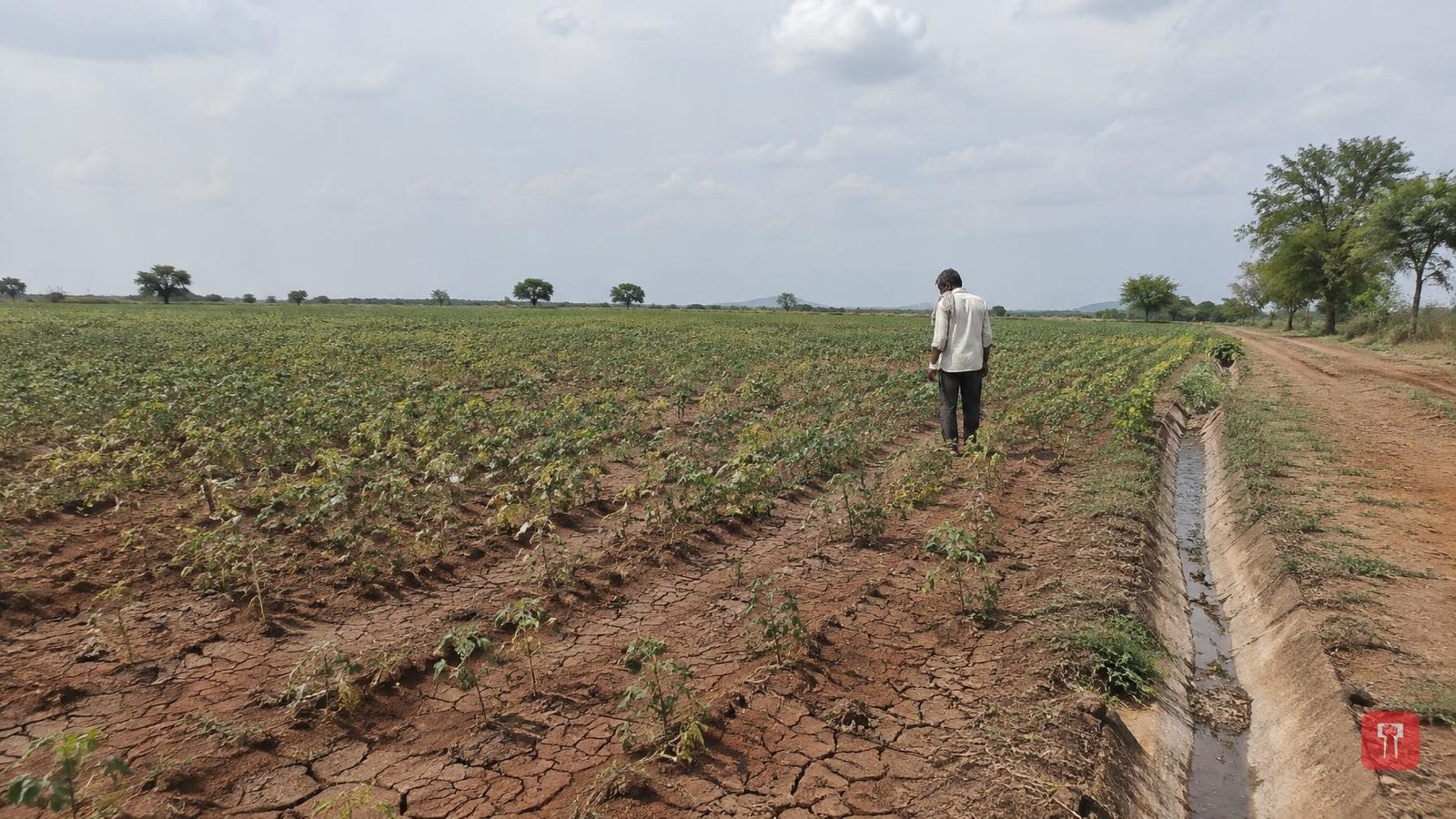
Nagpur: As the southwest monsoon begins its return journey, the effect of the poor rainfall is becoming increasingly visible across Vidarbha. Rain activity has slowed and dry air is moving into the region. The monsoon is expected to start withdrawing from Maharashtra within the next 48 hours, and from Vidarbha in three to four days.
The India Meteorological Department (IMD) has forecast cloudy weather in Nagpur district on October 5. A weather system is active over Madhya Pradesh and could bring light showers in some parts of Vidarbha. However, most districts, including Nagpur, are likely to remain largely dry.
According to weather experts, the monsoon withdrawal could be complete around October 15. Vidarbha has so far recorded about 27 per cent less rain than the long-term average. In some districts the deficit exceeds 40 per cent.
According to IMD data, Amravati district has the highest deficit at 43 per cent, followed by Akola at 41 per cent and Washim at 37 per cent. Nagpur and Wardha districts both have a rain deficit of 34 per cent.
Gondia is the lone exception. Rainfall there has remained nearly normal, with a deficit of only 1 per cent. It is the only district in Vidarbha to come close to normal rainfall.
The shortfall has raised concern over farm work and water availability. Kharif crops could be hit by the low rainfall. The state government has also placed restrictions on releasing additional water for irrigation.
In Maharashtra, 265 of 358 talukas in 32 districts have been declared drought-hit, which is about 74 per cent of the state's area. The government has announced relief measures for farmers, farm labourers and other vulnerable sections.
With the monsoon nearing its end, the continuing deficit is a worry for Vidarbha's agriculture and water reserves. The region is watching what happens next for both farming and water.
