

Uran water crisis deepens as Ransai dam falls to 114.6 ft, cuts likely from November
With the return rains failing, the Ransai dam level has dropped to 114.6 feet and MIDC says water cuts may begin in Uran taluka from November.
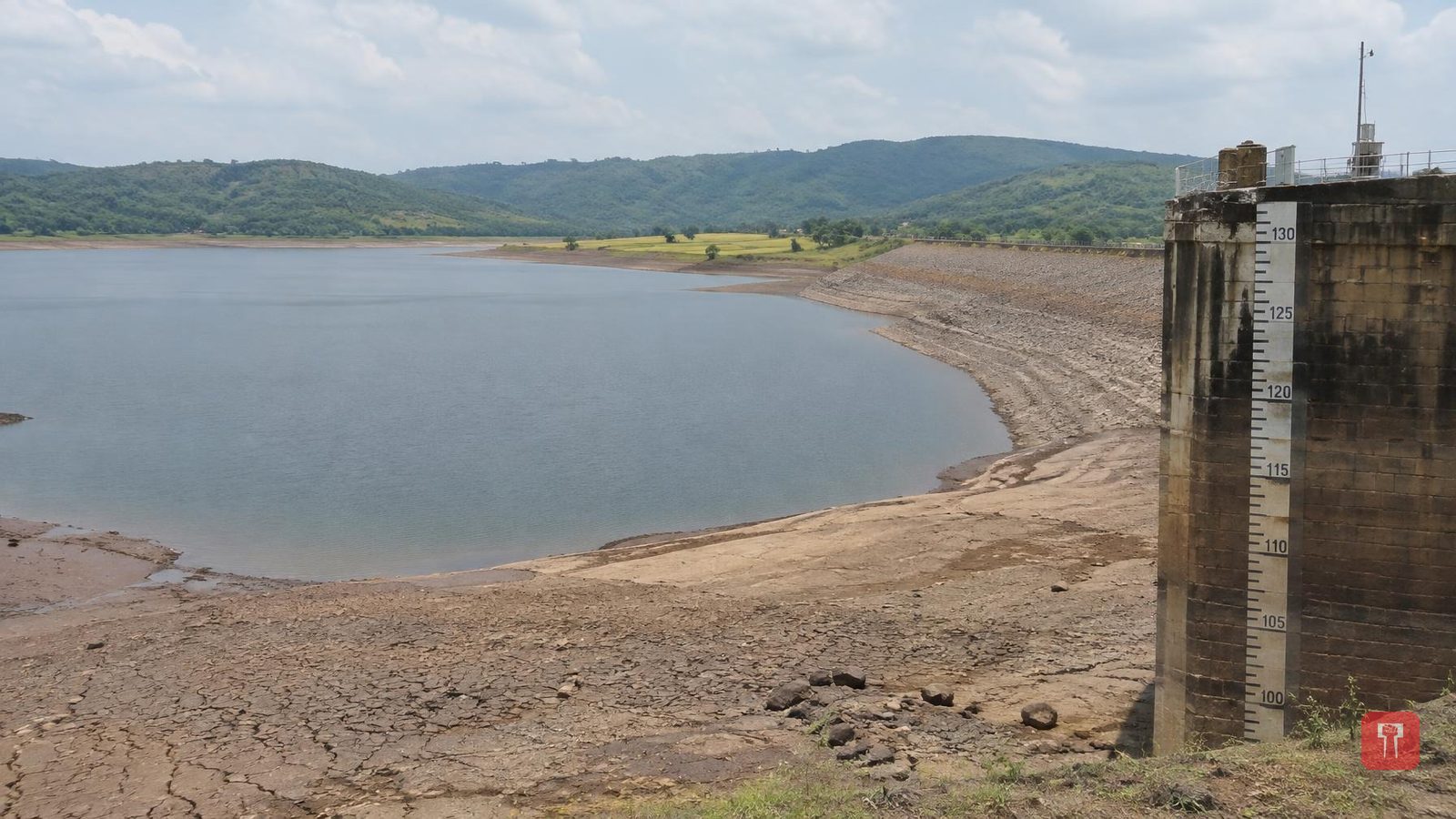
The water level in the Ransai dam, which supplies Uran taluka, continues to fall. The return rains have failed this time, and the dam is steadily losing water. The level has now dropped to 114.6 feet.
The dam supplies the Uran Municipal Council, 21 gram panchayats in the taluka, NAD, ONGC and several industrial projects. The MIDC department has said that if there is no good rain in the next few days, water cuts are likely to be imposed in Uran taluka from November.
Last year the taluka received good rain, and water cuts were announced only after December 11. This time, with less rain, cuts could be needed about a month earlier. Arranging the distribution of water will be a major challenge for the administration. Citizens are also likely to be urged to use water judiciously.
The Ransai dam is responsible for supplying the taluka's growing population, industrial projects and gram panchayats. If the dam level falls, household water use and industries could both be affected.
Last year the monsoon began early and the return rains lasted long. The Ransai dam overflowed three times and stored plentiful water. This monsoon the rain was below expectations, and the catchment area is still waiting for return rains.
Last October the dam level was 116.6 feet. This year it has fallen to 114.6 feet and may fall further. If there is no rain in the dam's catchment area in the next few days, the available water will come under heavy pressure. In that case, water supply cuts may have to be made as early as November.
Prolonged absence of return rains is adding pressure not only on the dam but also on the taluka's wells, ponds, bandharas and other water sources. With rising heat, evaporation has quickened and the available water could dwindle fast. Drinking water, irrigation and water for livestock could become serious problems in villages.
Farmers are also waiting for the return rains. The paddy crop is at a crucial stage before harvest, and ears have emerged in many places. Farmers fear that without full rainfall the filling of grain could stall. If soil moisture stays low, the grains may stop growing and yields could fall, causing farmers financial loss. Farmers are therefore looking to the sky.
Citizens and farmers are demanding that the administration plan water supply now, in view of the likely shortage. They expect that water stocks be assessed village by village, alternative sources arranged and a water distribution timetable fixed. If it rains in the dam area in the coming days, the situation may improve somewhat, but if the rain is delayed further, the likelihood of water cuts in Uran taluka from November will grow stronger.
