

Trump weakened by midterm defeat: what it means for India on trade, visas and Kashmir
 Images are not validated/verified
Democrats have won both houses of the US Congress, and experts say the result could reshape India's trade deal, H-1B visa prospects and the political climate on Kashmir.
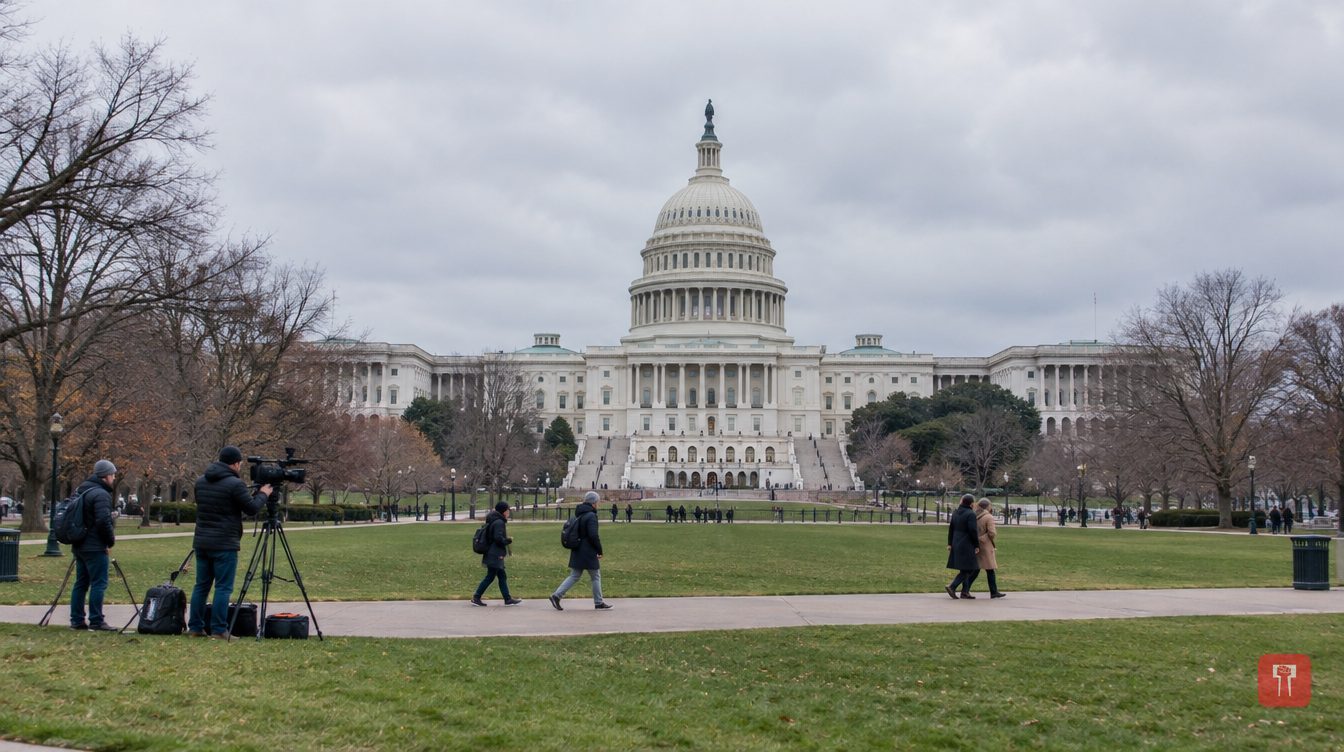
The results of the US midterm elections have caused a major stir in American politics. President Donald Trump's Republican Party has suffered a heavy defeat. The opposition Democratic Party has taken control of both houses of the US Congress, the House of Representatives and the Senate. Political analysts are calling the result a "blue wave".
With control of both houses lost, the Trump administration's policies will face curbs. Experts have assessed what this will mean for India-US relations, the trade agreement between the two countries and visa policy.
First, trade. The interim trade agreement between India and America announced in February is currently stalled. Under it, the main demand was to cut the US import duty (tariff) on Indian goods from 50 per cent to 18 per cent. In return, India had assured that it would gradually reduce its purchase of Russian oil.
According to Amitabh Ranjan, Registrar of the Indian Institute of Public Administration (IIPA) in New Delhi, "The American administration wants to keep the import duty at around 18 per cent, but the final signing was being avoided. Now, because of the midterm results, President Trump has become politically weaker, so the Government of India may get a golden opportunity to negotiate on better and more favourable terms."
Next, Kashmir and human rights. US foreign policy is run chiefly by the White House, that is, the executive administration. Even so, a change in control of Congress certainly increases political pressure. The US-India strategic partnership on defence and technology cooperation enjoys the support of both parties, so no major change is expected there.
However, some Democratic Party leaders have taken a hard line on the Kashmir question and on human rights issues. The Trump administration, or the US Ambassador in New Delhi, Sergio Gor, has taken a cautious position on Kashmir that is favourable to India's view. Even so, with a Democratic majority in the House of Representatives, the possibility of special hearings or symbolic resolutions on these issues in Congress cannot be ruled out. This could be politically inconvenient for India, but the effect on actual foreign policy will remain limited.
The H-1B visa is a vital issue for Indian IT professionals and students living in the US. With Mr Trump's defeat and Democratic control of Congress, the likelihood has fallen of very strict immigration laws that would harm India's interests being approved outright. Parliamentary scrutiny of visa rules will increase, but this will not automatically cancel Mr Trump's earlier presidential orders, nor will any major change come immediately.
On the other hand, after the midterm defeat it will be hard for the Trump administration to sustain aggressive military or economic pressure against Iran. If Iran-US tensions ease or a ceasefire is reached, crude oil prices in world markets could fall sharply. India's energy sector and economy would benefit directly.
Reach readers on the ward they actually live in.
Advertise with Prime Time 24Reach readers on the ward they actually live in.
Advertise with Prime Time 24Reach readers on the ward they actually live in.
Advertise with Prime Time 24
Comments
No comments yet. Be the first.