

Three dals cause the most gas; four simple home tips to cook them easier on the stomach
Ayurveda doctors say tur, masoor and peas cause the most gas, but soaking, curry leaves, cinnamon, black pepper and ginger can ease the trouble.
 Images are not validated/verified
Dal is part of everyday meals in most homes. Whether it is dal-rice, a gravy dal or a dry dal dish, a meal feels incomplete without it. Dal is rich in protein, fibre, iron and calcium. Even so, some people begin to feel discomfort as soon as they eat it.
Complaints include a heavy stomach, gas, bloating and frequent belching. Those with a sensitive stomach suffer more. Should they then stop eating dal? Not at all. If the way dal is cooked and eaten is changed a little, the trouble can easily be avoided.
According to Ayurveda doctors, three dals cause the most gas: tur dal, masoor dal and dried or green peas. There is science behind this. These dals contain a kind of sugar called raffinose and stachyose. The small intestine cannot digest this sugar.
The undigested sugar passes into the large intestine. The bacteria there try to digest it, and this produces gas. That is why the stomach feels bloated and uneasy. But there is no need to worry: if dal is cooked the right way, the trouble will not arise.
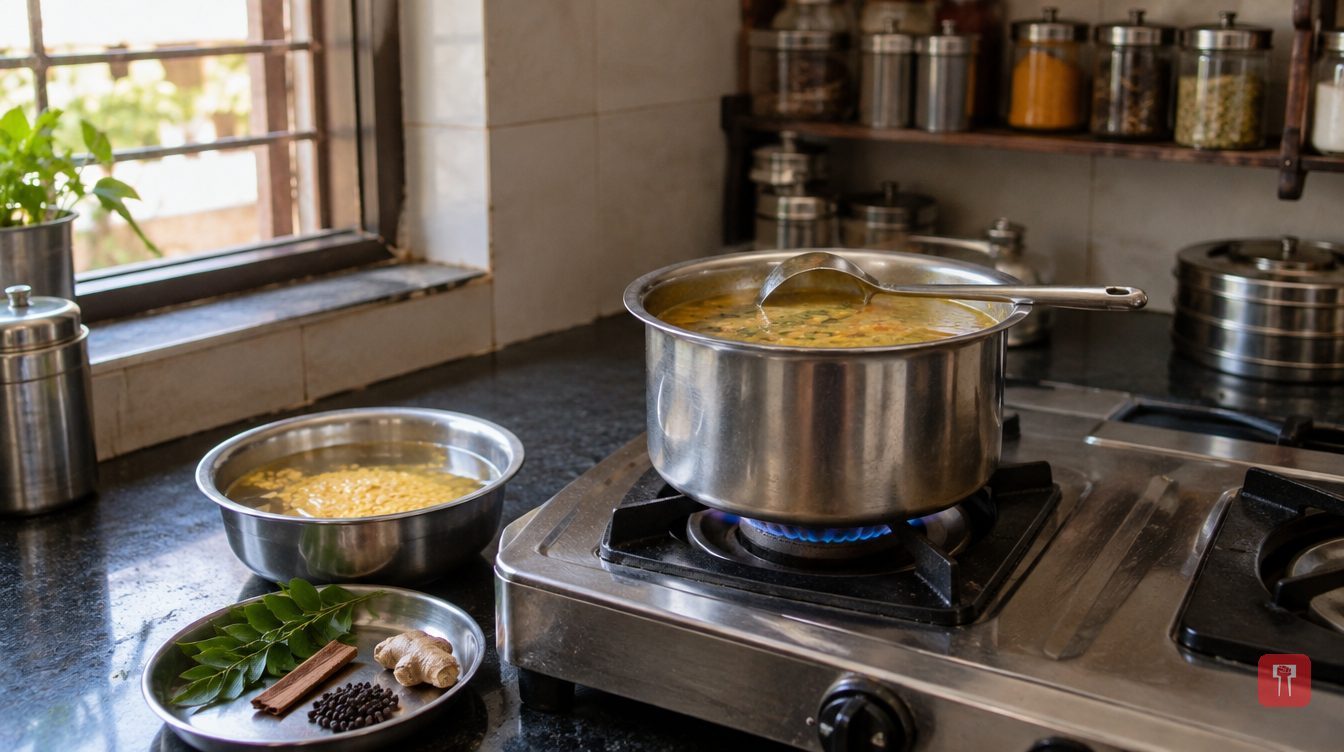
There are four simple home remedies to avoid gas. First, add curry leaves to the dal. Curry leaves are added to the tempering, but add 7-8 leaves while the dal is cooking as well. This improves the taste of the dal and makes it lighter to digest. Curry leaves help improve digestion.
Second, add a little cinnamon. Put a small piece of cinnamon in while the dal cooks. This gives the dal a pleasant aroma and also helps reduce gas in the stomach. Do not add too much cinnamon; a pinch is enough.
Third, use black pepper. Black pepper contains an element called piperine, which is good for digestion. Add a little crushed black pepper to the dal. However, those who suffer from acidity should use less of anything spicy.
Fourth, add ginger or dry ginger. Ginger is considered the best for digestion. While cooking the dal, add a little grated ginger or dry ginger powder. This prevents gas and the dal gets digested faster.
Keep a few other things in mind when making dal. Most important, never cook dal directly. First soak it in water for 3-4 hours. Then throw away that water and cook the dal in fresh, clean water. The gas-causing elements go out with the water.
Second, always cook dal until it is completely soft. Raw or undercooked dal is heavy to digest. Start with a small quantity and see how the body responds. And do not rush while eating; chew slowly.
If, even after all this, you keep getting bloating, severe stomach pain, vomiting, diarrhoea or weight loss, see a doctor immediately. Sometimes this trouble can be caused by another stomach ailment, so do not ignore it.

Comments
No comments yet. Be the first.