

TDS rule on buying property from NRIs to get simpler from October 1
CBDT has eased TDS deposit and reporting rules for resident buyers purchasing property from NRIs, effective October 1, 2026.
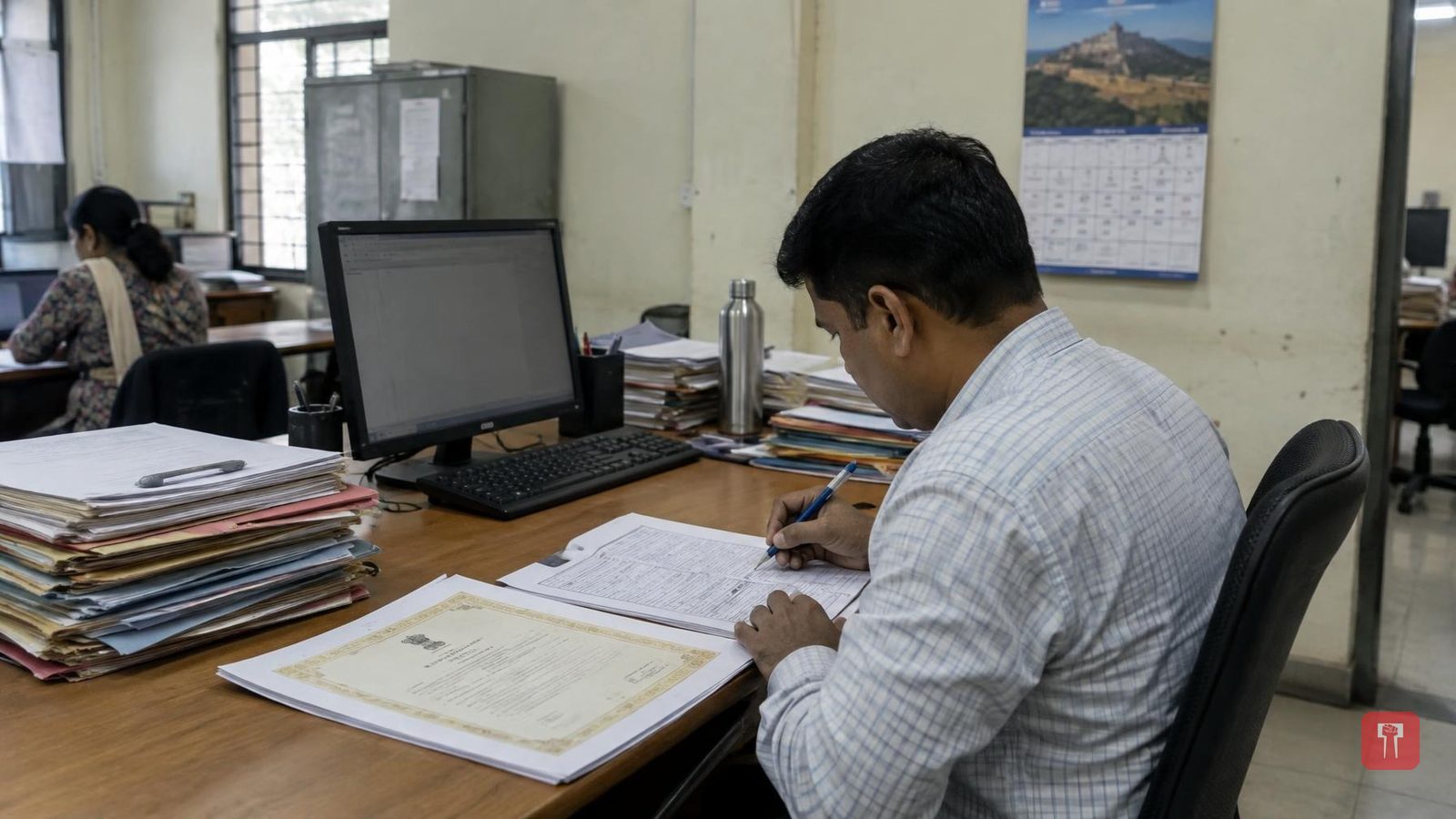
Buying a house or land from someone who lives abroad, that is, an NRI, has so far been considered a fairly complicated process. That is set to change. The Central Board of Direct Taxes, or CBDT, has revised the rules on TDS for such property deals. The new rules will come into effect from October 1, 2026.
The biggest benefit will be that depositing and reporting TDS becomes much simpler for the buyer. The new rule is aimed particularly at making the compliance process easier for resident individuals and Hindu Undivided Families, or HUFs. A resident individual or HUF buying property from an NRI will no longer need to obtain a separate TAN for TDS. Instead, the TDS entry can be made through a challan-cum-statement based on their PAN. There is one exception though: the responsibility to deduct tax does not go away entirely.
Here is what changes from October 1. Resident individuals and HUFs will no longer need to obtain a separate TAN. A PAN-based challan-cum-statement will be used to deposit and report TDS. A new Schedule E related to property has been added to Form 141. This schedule requires details related to the property, the purchase and the NRI seller.
Under the new rule, the buyer will have to furnish several important details related to the property and the sale. These may include the NRI seller's PAN, address, and details of the agreement and registration. Form 141 also has a separate registration system for the transfer of immovable property. The information to be furnished includes the complete address of the property, the type of property, that is, whether it is land or a building, details of the buyer and seller, PAN and contact details, the sale price of the property, the stamp duty value, whether the payment was made in a lump sum or in instalments, the amount and rate of TDS deducted, and the date on which the TDS was deducted.
If the property price is being paid in instalments rather than in one go, the payment record will also have to be furnished in the reporting. This includes how much was paid in the previous instalment, how much is being paid in the current instalment, whether this is the first, an intermediate or the last instalment, the date of payment, the amount on which TDS was deducted, and the rate and amount of TDS deducted.
It is important to understand clearly that this change in rules does not mean the responsibility to pay TDS on buying property from an NRI has been removed. The new rules will certainly make the TDS process simpler, but they do not remove the buyer's responsibility. So before buying property from an NRI, it will be necessary to keep ready details such as their PAN, foreign address, mobile number, email, and, if needed, documents like a TRC or TIN.
