

Supreme Court discusses ways to recover unpaid e-challans, floats power bill route as one suggestion
The court said issuing e-challans is not enough and that effective recovery of fines matters equally, though it has passed no order linking them to electricity bills.
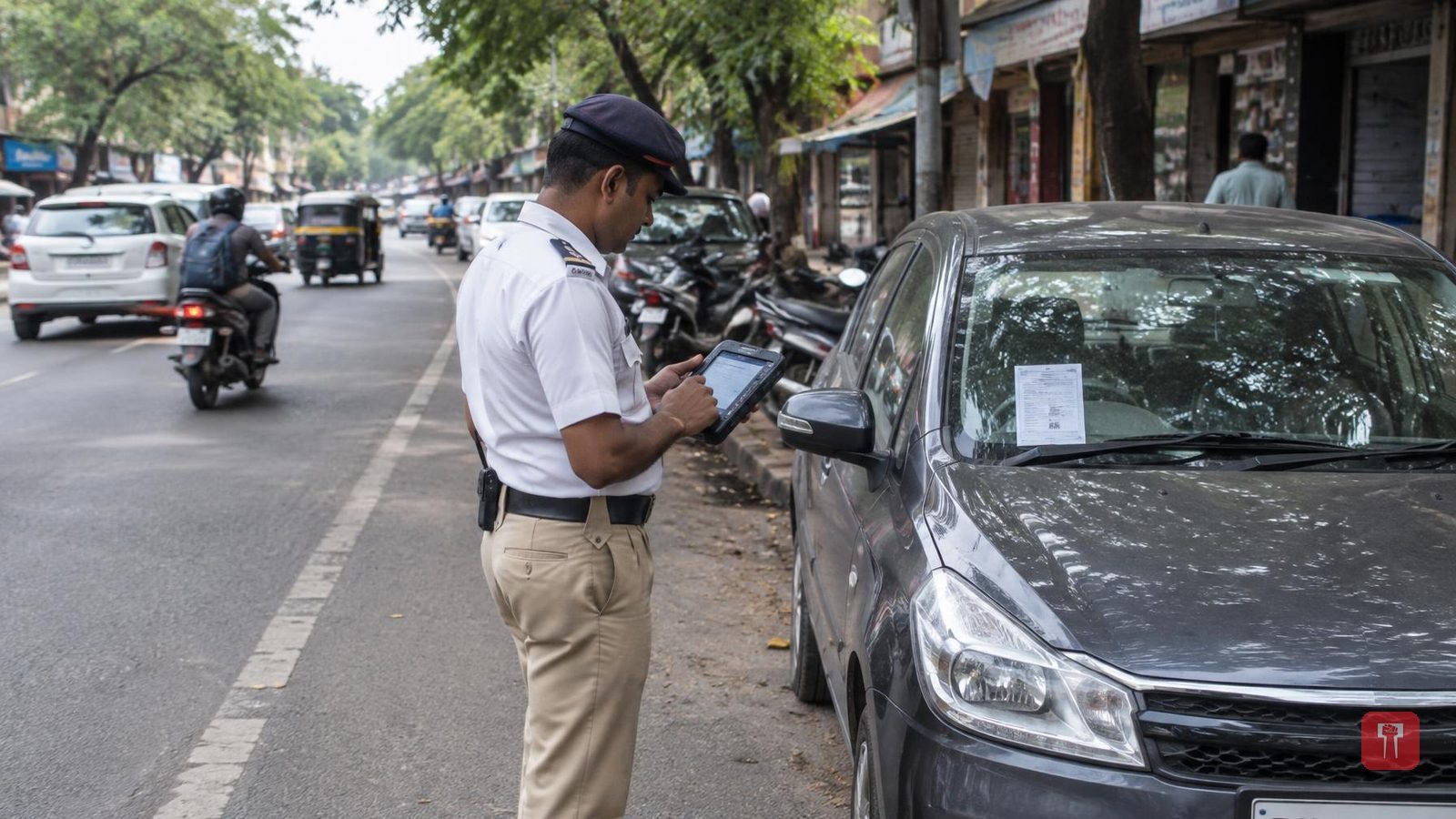
The Supreme Court has said that issuing e-challans to vehicles that break traffic rules is not enough, and that effective recovery of the fines imposed is just as important. Various ways of recovering unpaid challans were discussed, covering everything from vehicle registration to driving licences.
During the hearing, Justice J.B. Pardiwala raised the issue of recovering e-challan fines. He said the police can issue thousands or lakhs of e-challans, but the real challenge is recovering the fines imposed on them. According to information placed before the court, about Rs 45,000 crore in e-challan fines is pending recovery across states and Union Territories. It was stated that about Rs 25,000 crore of this has been recovered so far.
Justice Pardiwala said that measures such as blocking various vehicle-related services could be considered to recover unpaid e-challan amounts. These include withholding renewal of the registration of a vehicle with unpaid fines, barring issue of duplicate certificates, and deferring a change in vehicle ownership.
Other options mentioned were denying a fitness certificate to the vehicle until the fine is paid, blacklisting the vehicle on the transport portal, and stopping renewal of the driving licence.
In its observations, the court also said that the permits of vehicles with unpaid challans could be suspended, or steps such as denying them a PUC certificate could be taken. If unpaid challans are found during random checks of vehicles, seizure of the vehicle could also be considered depending on the circumstances. The court said that to enforce traffic rules effectively, practical measures based on ground realities need to be found.
The most discussed question was whether unpaid vehicle fines could be recovered from the vehicle owner's electricity bill. Justice Pardiwala put this forward as a suggestion.
However, the Supreme Court has not issued any order linking e-challans to electricity bills to recover fines. It is only an option that came up during the hearing. Vehicle owners should not assume that recovery of e-challans through electricity bills is about to begin. The relevant official orders or rules will matter for any further action.
The court's remarks have brought the method of recovering e-challans across the country back into discussion. Options have emerged for linking unpaid challans to processes such as vehicle registration, fitness certificate, PUC, driving licence and vehicle transfer. Motorists are now watching what decisions are taken next.
