

SpaceX Starship reaches Earth orbit for the first time in 14th test flight
SpaceX's Starship-Super Heavy rocket attempted to reach Earth orbit for the first time on its 14th test flight, carrying 26 Starlink V3 satellites.
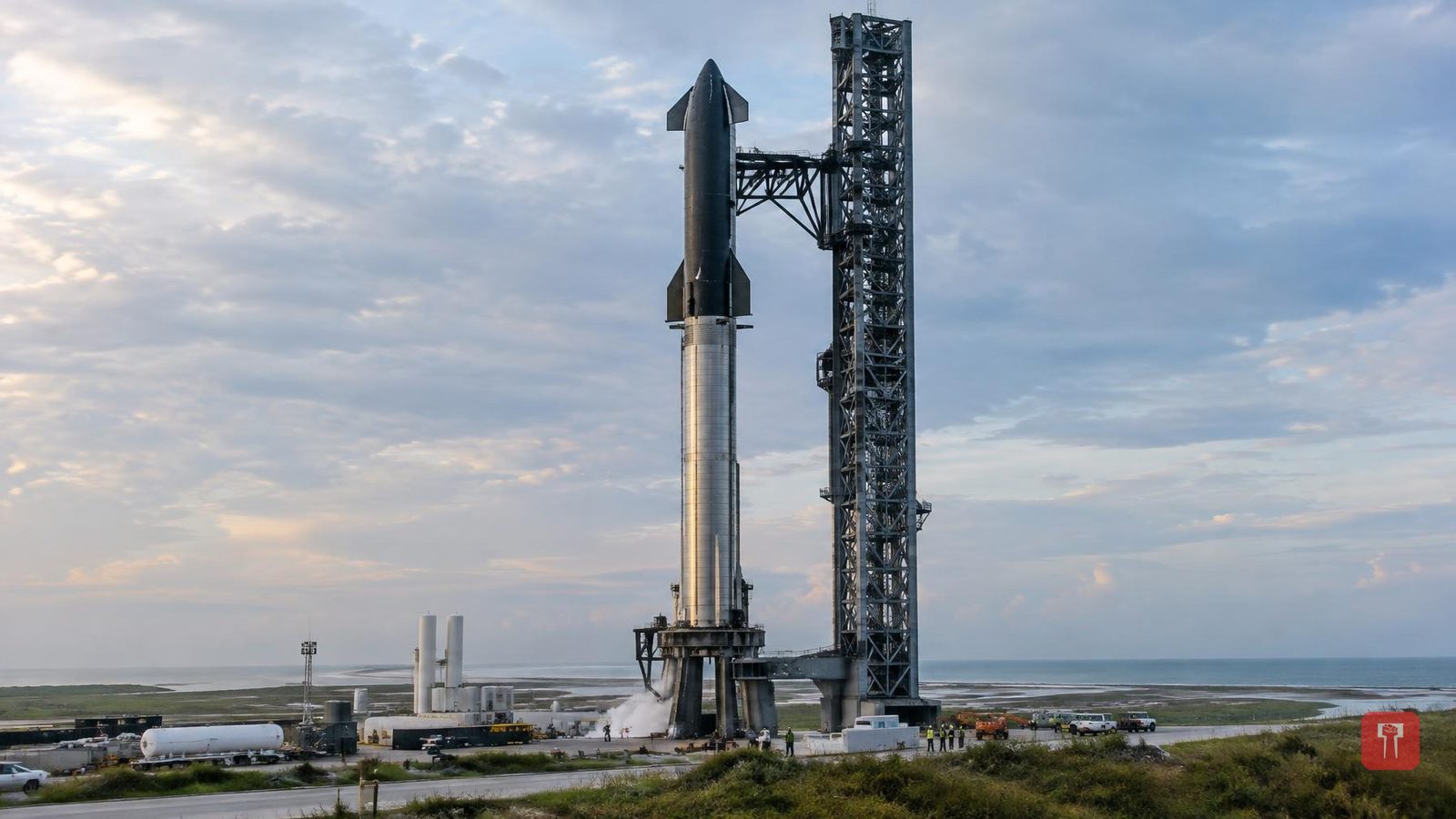
SpaceX has reached a major milestone in space exploration. The company's giant Starship-Super Heavy rocket lifted off on its 14th test flight on September 28, 2026. The whole world was watching this mission, as it was the first time in Starship's history that an attempt was being made to take it into Earth orbit. SpaceX's aim is for the rocket to play a key role in future Moon and Mars missions.
Starship's previous 13 test flights had faced several technical problems. Some missions saw the rocket fly successfully, while in some tests the vehicle was destroyed during flight. But based on the lessons learned from every test, SpaceX has made changes to the rocket's design and technology. In the Flight 14 mission, the goal has been set for Starship to reach orbit around the Earth.
In this mission, the first stage, called Super Heavy, will carry Starship into space at tremendous speed. After this, Starship's second stage will separate and continue on its onward journey. A special burn of Starship's engine is considered essential for entering orbit.
Another special feature of this mission is that 26 Starlink V3 satellites are also being sent along with Starship. These satellites are considered important for expanding the Starlink network in the future. SpaceX plans to use Starship to send larger and more capable satellites in a single launch. The plan is to complete the satellite deployment process after Starship reaches orbit. This will also show how effective this rocket can prove to be for sending satellites on a large scale in the future.
SpaceX's ultimate goal is not just to send satellites into Earth orbit. Sending humans to the Moon and, further ahead, running crewed missions to Mars are at the centre of these bigger plans, with Starship central to them. This is why a successful orbital flight can be seen as an important step towards these ambitious plans.
Starship's large capacity, the idea of reusability and the ability to carry heavy payloads are its main strengths. But flying regular and safe orbital missions, and proving reusability and long-term reliability, remain the big challenges ahead.
