

Shrimadhvacharya, founder of Dvaita Vedanta: life, works and teachings
Shrimadhvacharya (1238-1317), the saint and philosopher regarded as the founder of Dvaita Vedanta, spread Vedic philosophy and stressed devotion, discipline and service.
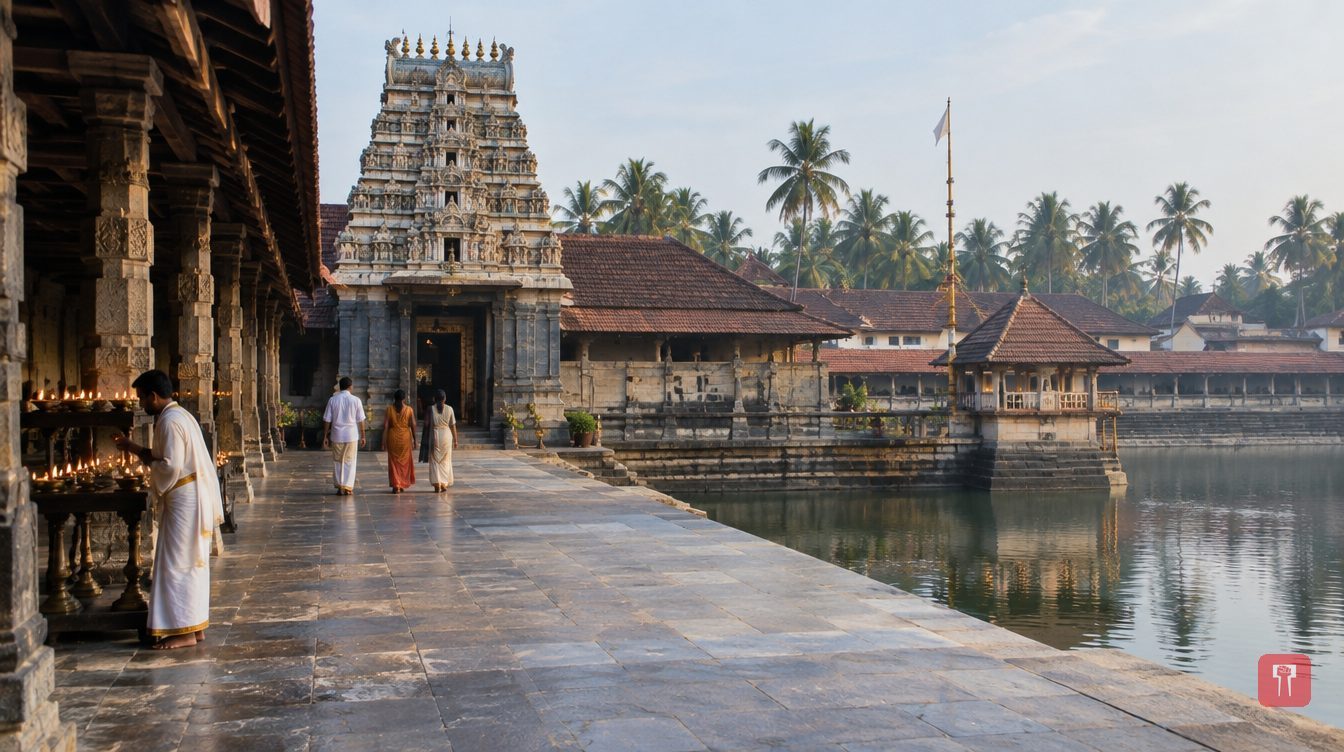 Images are not validated/verified
Shrimadhvacharya (1238-1317 CE) was a great teacher and saint of the Indian philosophical tradition. He is regarded as the founder of Dvaita Vedanta. Also known as Shrimad Anandatirtha Bhagavatpadacharya, Madhvacharya spread Vedic philosophy and held up before society an ideal of devotion, knowledge, discipline and service.
Madhvacharya was born at Pajaka Kshetra in Karnataka. His childhood name was Vasudeva. At the age of eleven he took sanyasa initiation from Achyutaprajna Yati. He was then given the name Purnaprajna and later became famous as Anandatirtha. Even so, the name Madhvacharya came into the widest use.
To spread dharma and study the Vedic texts, Madhvacharya visited many pilgrimage centres in India. According to tradition, he travelled across India three times. On these journeys he held scriptural debates with scholars, guided disciples and wrote commentaries on texts such as the Bhagavad Gita and the Brahma Sutras. There are also references to his giving discourses on the Brahma Sutras in the Godavari region of Maharashtra.
His philosophy is called Dvaita Vedanta or Tattvavada. In his view, there is a real distinction between the Supreme Being, the individual soul and the world. Lord Vishnu is the highest reality, and devotion and divine grace hold an important place on the path to spiritual liberation. This philosophy gave the Indian Vedanta tradition a distinct direction of its own.
Along with spiritual practice, Madhvacharya also valued physical strength. His teaching brings out the idea that protecting dharma needs capability and discipline as well as knowledge of the scriptures. He also gave his disciples the message that serving people in need and voiceless animals is itself worship of God. Restraint, limited needs and selfless service were distinctive features of his teaching.
At Udupi in Karnataka, Madhvacharya installed an idol of Balakrishna. According to tradition, he brought the idol, which had been found in the sea, to Udupi and established it there. Udupi later became an important religious centre of the Madhva sampradaya. Many mathas grew out of his line of disciples, and his philosophy spread to several regions.
Madhvacharya wrote several important commentaries on the Brahma Sutras, the Bhagavad Gita and the Upanishads. His main works include the Brahmasutra Bhashya, Anuvyakhyana, Gita Bhashya and Gita Tatparya. They show an analysis of Vedic literature, the importance of devotion to God and a coherent structure for Dvaita philosophy. His works were written down and preserved through the line of disciples. His ideas inspired many later saints, scholars and acharyas of the Madhva sampradaya.
According to tradition, Madhvacharya spent the last years of his life spreading the Vedic tradition. The Madhva sampradaya holds that he disappeared after leaving Udupi for Badrikashram. Commitment to philosophy, devotion, discipline, spread of knowledge and a spirit of service are all seen together in his life. By giving Dvaita Vedanta a strong structure, he made an important contribution to the Indian religious and philosophical tradition.

Comments
No comments yet. Be the first.