

Shraddha is not superstition, but a chance to remember and thank ancestors
A reflection on why remembering and thanking ancestors during Pitru Paksha and Shraddha need not be dismissed as blind faith.
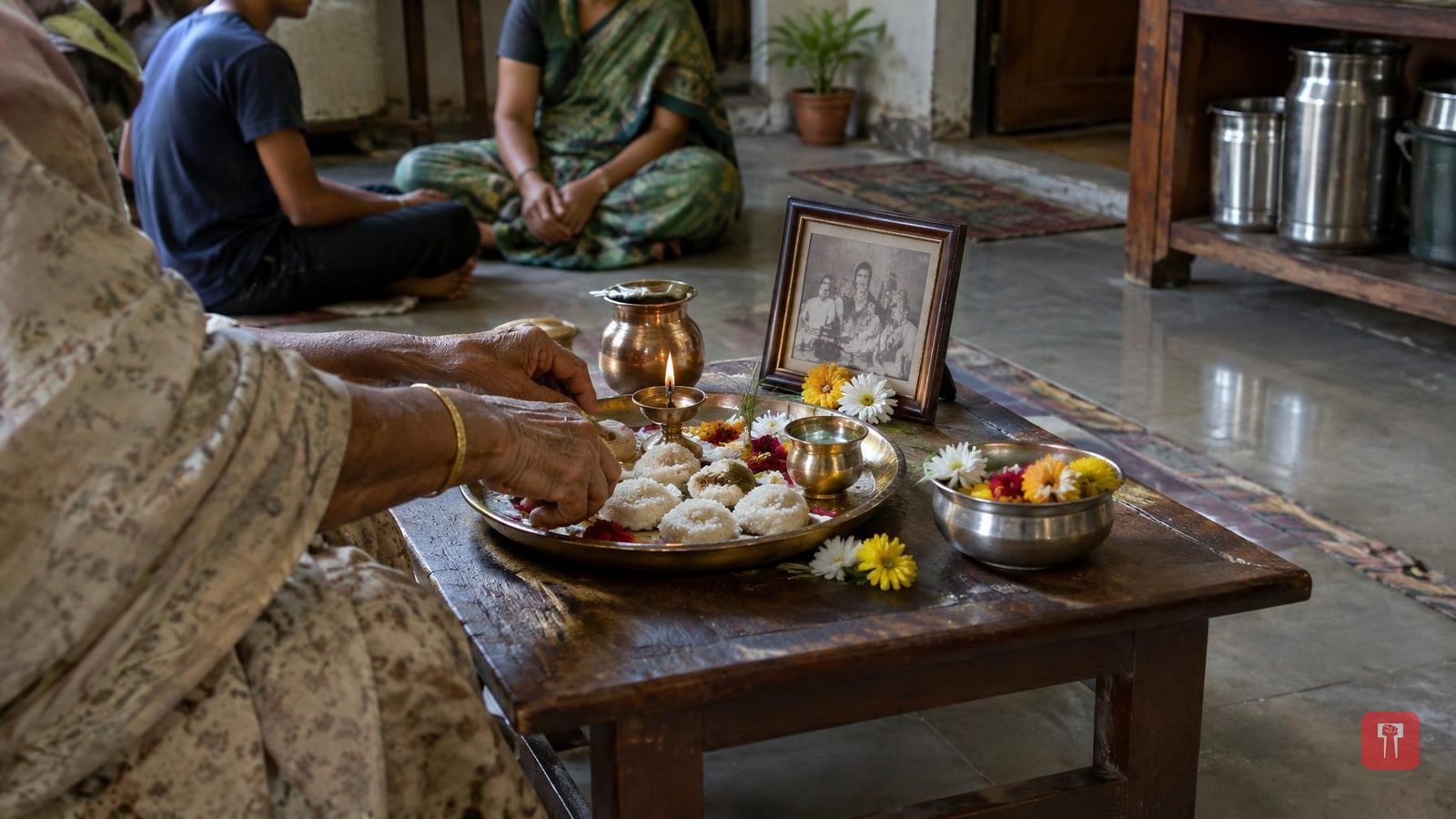
Pitru Paksha is a time to remember one's ancestors and express gratitude towards them. Nowadays many young people dismiss the rituals of Shraddha as superstition or mere custom. But this tradition needs to be seen from a slightly different perspective. Remembering one's ancestors, recognising their hard work and finding comfort in their memories, how can this be called superstition? The younger generation should think about this.
When we remember our friends or relatives, we recall their love, their help and the time spent together. So what is wrong in remembering the ancestors who brought us into this world and worked hard for us all their lives? It is because of their efforts that our families progressed. The values, the language, the traditions and the experience of life that they gave us still show us the way today. That was our first connection to the world. Even though they are no longer among us, their memories and their teachings should stay alive in our lives.
Shraddha is not just a religious ritual, it is a tradition of remembrance, gratitude and belonging. Remembering what the ancestors did for us and adopting their good qualities in our own conduct is also part of Shraddha. On this occasion families gather, recall old memories, and tell the new generation the story of their lineage. Feeding the needy, helping someone, or doing a good deed in memory of the ancestors is also a way of honouring them.
We live in an age of science and technology, so it is entirely fair to ask questions and try to understand things. It is believed that the body is made of five elements, earth, water, fire, air and sky. But does talking only about the physical parts of the body explain the entire meaning of life? The life-process of the body, consciousness and the feeling of being alive, these questions keep making people think. In the language of faith, this unseen element is called the soul, whose true form remains a matter of contemplation. These questions can be considered while respecting both scientific inquiry and faith.
The younger generation should not accept every tradition without question. But dismissing a tradition as superstition without understanding it is also not right. Does performing Shraddha bring peace of mind? Does it strengthen bonds with the family? Does it offer a way to express gratitude towards ancestors? Every person can think about these questions based on their own experience. If a tradition teaches love, respect and peace, then it is important to understand its meaning.
Today many young people are going through stress, loneliness and anxiety. At such a time, sitting together with family, hearing the stories of ancestors, learning about their struggles and successes, and expressing gratitude towards them can provide emotional support. A religious ritual is not a cure for mental illness, yet conversation with family, a sense of belonging and the comfort of memories can help mental health. Every person can seek this feeling of peace according to their own faith and understanding.
Artificial intelligence, or AI, is a familiar example for today's generation. AI systems learn patterns from large amounts of data and use them to generate new responses. Their training is based on various kinds of information and examples. In human life too, the knowledge, experience and values given by earlier generations help the next generation to think and make decisions. AI and human tradition cannot be directly compared, but both examples help us understand that today's knowledge and progress rest on information and experience accumulated over time. Remembering ancestors is a way of honouring their contribution and their teachings.
During the days of Shraddha, families make special dishes, relatives come to visit, and an atmosphere of togetherness and bonding builds up in the home. This too is no small thing. Instead of seeing the traditions started by ancestors merely as rituals, one should understand the joy, contentment and peace of mind that come from them. Faith should arise from love, respect and gratitude, not from fear.
Remembering ancestors means moving forward to build a good future resting on the foundation they laid. The younger generation should see Pitru Paksha and Shraddha as a meaningful opportunity to preserve the memories of their ancestors, strengthen family bonds and find peace of mind.
