

Sarvapitri Amavasya on October 10: what to avoid in food, timing and utensils
Sarvapitri Amavasya falls on Saturday, October 10, and tradition lists rules on food, the time of rites, conduct at home and the vessels to be used.
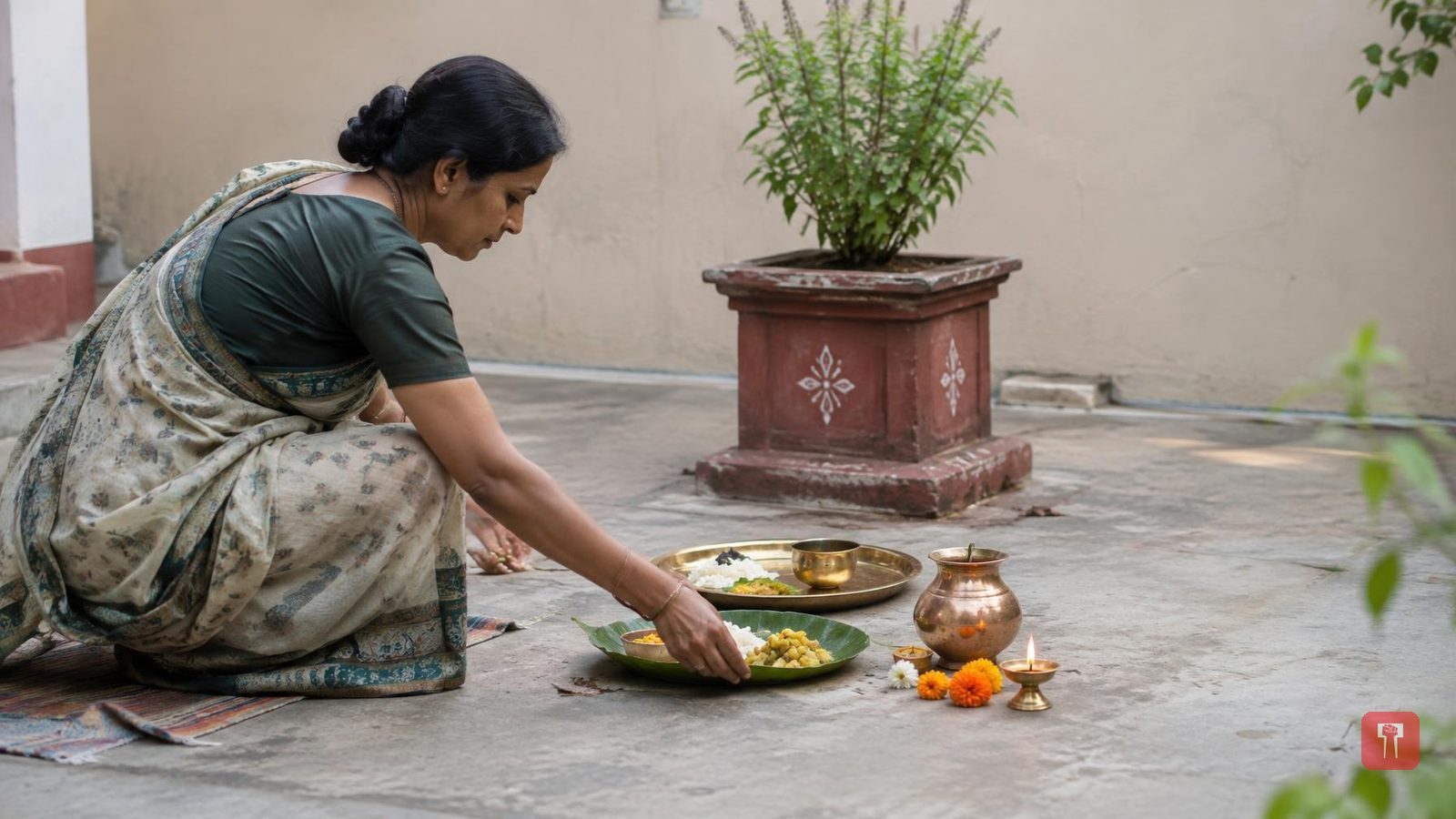
Sarvapitri Amavasya, the last day of the Krishna Paksha of the Bhadrapada month, holds a special place in Sanatan Dharma. This year it will be observed on Saturday, October 10. It is considered the last and most important tithi of Pitru Paksha. Ancestors are remembered and worshipped on this day. According to the scriptures, devotional acts performed on this day please the ancestors.
It is said to be extremely important to be careful about certain things on this day. Even a single mistake, deliberate or unintended, can have serious consequences. To retain the ancestors' blessings and avoid any sins, certain things should be avoided completely.
The first rule concerns food and timing. Tamasic foods should not be eaten at home on Sarvapitri Amavasya. Meat, onion, garlic, eggs and liquor are strictly forbidden. Only sattvic food should be prepared on this day. Food made for the shraddha is prepared with care for cleanliness and sattvic purity, and eating sattvic and pure food carries religious significance.
Timing should also be kept in mind. Shraddha rites should not be performed in the evening. Shraddha or tarpan should not be performed after sunset even by mistake, as it displeases the ancestors. All rituals should therefore be completed in the afternoon. Before completing the rites, it is advisable to ensure the purity of the food and the right timing.
Some rules on conduct have also been laid down. No person or animal that comes to the door should be turned away. Beggars, guests or animals, especially a crow, dog or cow, should not be sent back empty-handed or scolded. Cutting hair, shaving or cutting nails is also strictly forbidden on this day.
The atmosphere at home should be kept calm. Family quarrels, anger and disrespect should be avoided, and complete peace and harmony should be maintained in the family. Worship performed with a calm mind alone bears fruit, it is said.
The rules on utensils are also important. Iron, steel or plastic vessels should be avoided when preparing or serving the shraddha meal. Using bronze, copper, brass or leaves instead is considered appropriate according to the scriptures. Proper vessels and pure food alone satisfy the ancestors, it is said.
