

Retail inflation rises to 4.82% in August as festive season nears
Retail inflation reached 4.82% in August 2026, and the Reserve Bank expects it to touch 5.9% between October and December, with oil, weak rains and a costlier dollar cited.
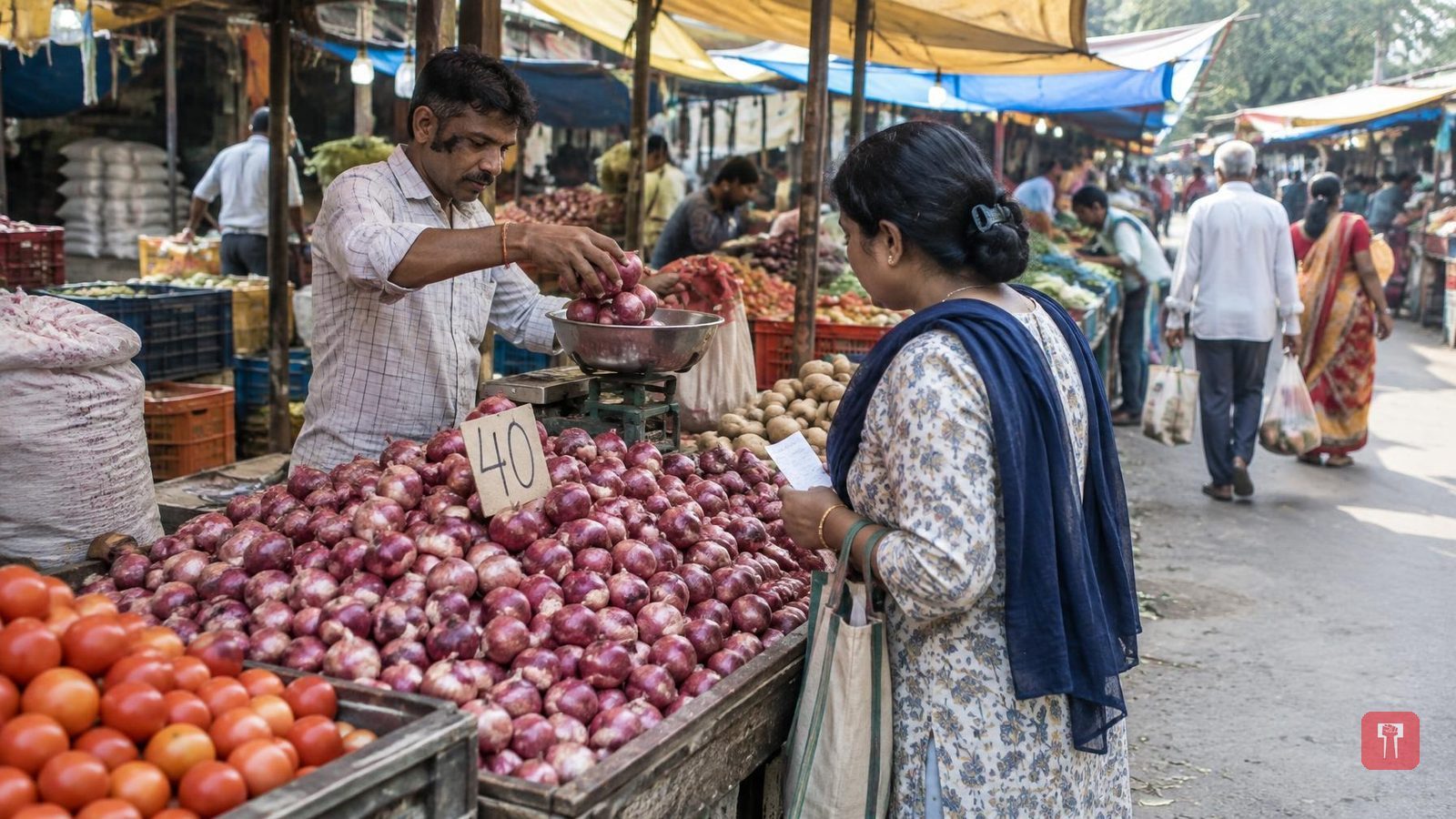
Prices are rising again as the festive season begins. Sugar and onion rates went up at the start of Ganeshotsav. The government has tried hard to keep prices in check, but inflation shows no sign of easing. As Dussehra and Diwali draw closer, prices in the market keep climbing. Everything from petrol and onions to gold, smartphones and food items is getting costlier.
Diwali falls on November 8 and markets have begun preparing. This time, however, people will have to think carefully while drawing up their shopping lists, because most items are costlier than last year. According to government data, retail inflation was around 2% near last Diwali. In August 2026 it reached 4.82%. The Reserve Bank estimates that inflation could go up to 5.9% in the festive season between October and December.
Three major reasons have been cited: the war in West Asia, deficient monsoon rains and a costlier dollar.
The first is oil prices. A war began in West Asia at the end of February this year, affecting the Strait of Hormuz sea route, through which a large share of the world's crude oil passes. Crude, which sold at around $72 a barrel before the war, reached $141 in April. It is still around $96 to $98.
India imports more than 85% of its crude oil requirement, so the impact on the economy was direct. In May, petrol and diesel prices were raised four times, by about Rs 7.50 per litre in all. In Delhi, petrol now costs Rs 102.12 a litre and diesel Rs 95.20.
Costlier diesel means higher transport costs. When truck freight rises, prices of everything from vegetables to clothes are affected. The 19-kg commercial LPG cylinder used by sweet shops and restaurants now costs Rs 2,747.50 in Delhi, so sweets and snacks may also become costlier this time. Wholesale inflation stood at 9.92% in August, with fuel and power up by about 23%. Experts say this wholesale inflation gradually reaches shops, so its effect could become more visible in the coming weeks.
The second reason is the deficient monsoon. The monsoon was weak this year because of El Nino. According to India Meteorological Department data, the country received about 12% less rain than average up to September 29. The shortfall was about 24% in South India. Karnataka received about 30% less rain, Bihar 32% less and Punjab 41% less. Karnataka and Maharashtra have been hit hardest by drought. The Karnataka government has declared 177 taluks and the Maharashtra government 265 taluks drought-hit. Paddy sowing is also about 4% lower than last year. The government has also cut its foodgrain production target for 2026-27.
However, according to Agriculture Minister Shivraj Singh Chouhan, total sowing is down by only 1% and no major fall in yield is expected. There is relief for farmers: despite fertiliser prices rising worldwide, DAP and urea bags are still available in India at the same price, as the government is bearing the burden by increasing subsidy. Even so, costlier diesel and the higher cost of pump irrigation in drought-hit areas are weighing on farmers. Experts fear the effect of lower yields could show up in foodgrain prices after Diwali.
The third reason is the surge in the dollar and the weakness of the rupee. At the start of the year a dollar was worth about Rs 90; it is now about Rs 96. A weaker rupee is making everything imported costlier, whether crude oil, edible oil, gold or parts for phones and televisions.
On the kitchen, government data show inflation in cereals and food items was 5.95% in August. The biggest worry is onion, whose prices are up about 48% on last year. According to rating agency Crisil, onion that sold at about Rs 28 a kg last year was about Rs 40 a kg in August. Sugar is about 24% costlier, and prices of jaggery, raisins and edible oil have also risen. This could directly affect Diwali sweets.
But there is another side to the picture. Tomatoes are about 31% cheaper and potatoes about 13% cheaper than last year. As a result, according to Crisil, the vegetarian thali at home is only 1% costlier and now costs Rs 29.5, while the non-vegetarian thali is about 5% costlier at Rs 57.5.
