

RBI asks banks to fix process gaps as complaints rise, many bypassing internal ombudsmen
The Reserve Bank of India has told banks to find and fix flaws in their procedures after customer complaints rose and many reached the regulator directly.
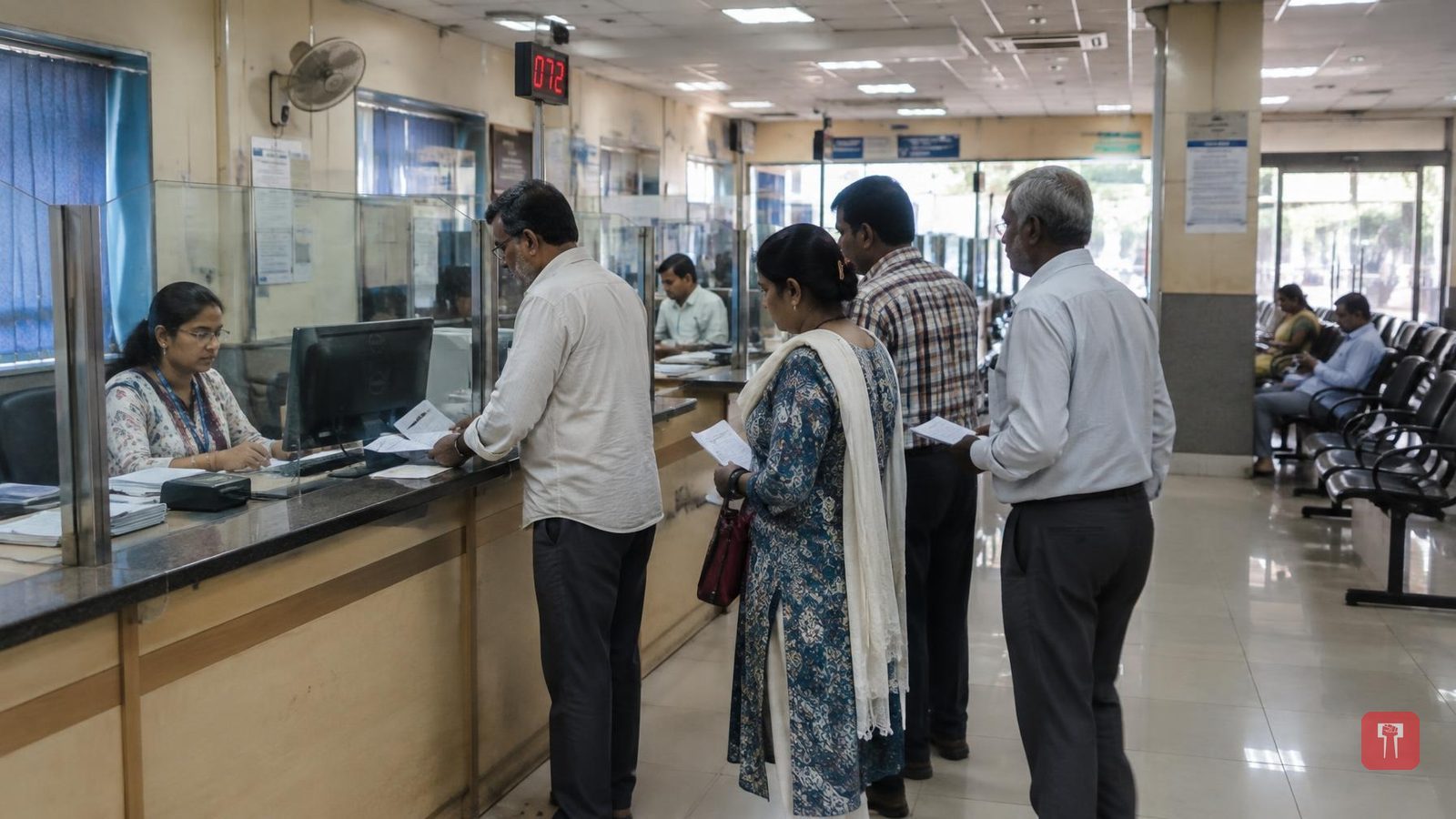
Simple work at a bank can take a long time, and sometimes stays stuck for days. Customers then complain against the bank, and such complaints have risen sharply. Seeing the steady rise in complaints and the flaws in the system, the Reserve Bank of India (RBI) has taken a tough stand. It has directed banks to identify the flaws in their working methods and processes and remove them.
Complaints received by the ombudsman rose by more than 13.5% in the 2025 financial year. The RBI has expressed concern that many complaints are going directly to the RBI instead of to banks' internal ombudsmen. In other words, complaints are not reaching a bank's own ombudsman and are instead landing with the regulator. This has raised questions about the very structure of grievance redress in the banking system.
According to sources familiar with the matter, at a meeting last month the RBI told banks to find out which flaws in infrastructure, processes and working systems, which give rise to complaints, customers are facing. Banks have also been directed to examine the reasons behind recurring complaints.
An official said the regulator has directed banks to take and implement measures so that such complaints do not recur.
According to another official, one suggestion was that industry-level measures such as training programmes be introduced so that complaints are resolved properly. This would include industry-level training. Each bank's board of directors would also frame its own strategy based on the RBI's guidelines.
In July, the annual conference of internal ombudsmen of banks and other RBI-regulated entities was held. At the conference, Deputy Governor Swaminathan J. pointed out that a large share of the complaints resolved in customers' favour at the RBI ombudsman level had not initially been sent to the internal ombudsman. "This is a matter of serious concern, because it defeats the entire purpose of the internal ombudsman mechanism," he said.
The Integrated Ombudsman Scheme has been in force since July 2026.
