

RAW Foundation Day: how a 1965 intelligence failure led to India's spy agency
India set up the Research and Analysis Wing on September 21, 1968, after intelligence gaps hurt it in the 1965 war.
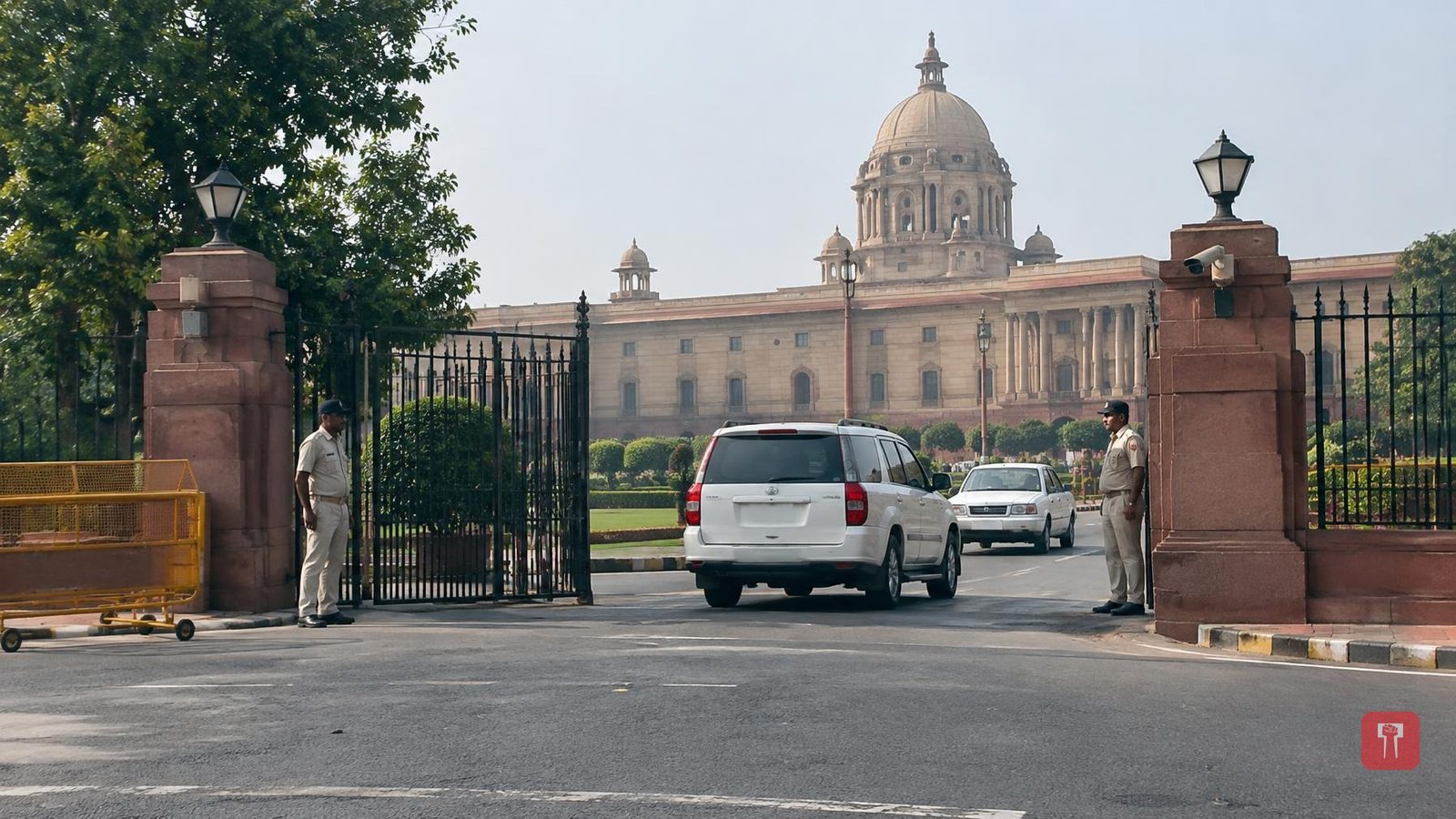
Many will have heard of the world's well-known external intelligence agencies: the CIA of the United States, Mossad of Israel, MI6 of Britain and the KGB of the Soviet Union. These agencies carried out dangerous operations around the world and played an important role in helping their countries win wars. Against this backdrop, India too set up its own external intelligence agency on September 21, 1968, named the Research and Analysis Wing, or RAW.
The need to set up such an agency was felt sharply during the 1965 war. India suffered heavy losses in that war because it did not have adequate information about Pakistan's military preparations. Before this, the task of gathering intelligence was mainly with the Intelligence Bureau, or IB, but the IB was not fully equipped to carry out this task effectively. This led the government to decide to set up a separate agency for external intelligence, and RAW came into existence on September 21, 1968. R.N. Kao was RAW's first and founding chief.
RAW and the IB have clearly different roles. Put simply, RAW gathers intelligence related to foreign countries, while the IB mainly keeps watch on matters related to the country's internal security. RAW is tasked with monitoring the political, military and strategic activities of other countries that affect India's security and strategic interests, obtaining intelligence from abroad, and identifying external threats facing India. For instance, gathering information on Pakistan's military deployment or China's military movements falls within RAW's remit.
The IB, on the other hand, gathers information related to internal security threats such as domestic terrorism, espionage, separatism and communal tensions. It is the IB's job to collect information on terrorist networks or espionage activities within India. The IB also shares intelligence with state police and other security agencies.
There is also a major difference between the two agencies in administrative structure. RAW functions under the Cabinet Secretariat, which is part of the central government's top administrative machinery and is headed by the Cabinet Secretary. RAW's chief is referred to as Secretary (Research). It would therefore be incorrect to say that RAW comes directly under the Home Ministry. On important national security matters concerning RAW, coordination takes place at the level of the Prime Minister, the National Security Advisor and the Cabinet Secretariat.
The IB, however, is the principal internal intelligence agency under the Home Ministry. The Home Ministry's internal security wing handles administrative and financial matters related to the IB. But this does not mean the IB's work is limited only to the Home Minister. In matters of major national security importance, information from both agencies is passed up to the highest political and security levels. This is why coordination between RAW and the IB is very important from the point of view of national security.
