

Pune gynaecologist urges women not to ignore changes in periods, bloating and post-menopause bleeding
Dr Payal Narang says symptoms often put down to age can signal serious problems, including cancers, and should be checked by a doctor in time.
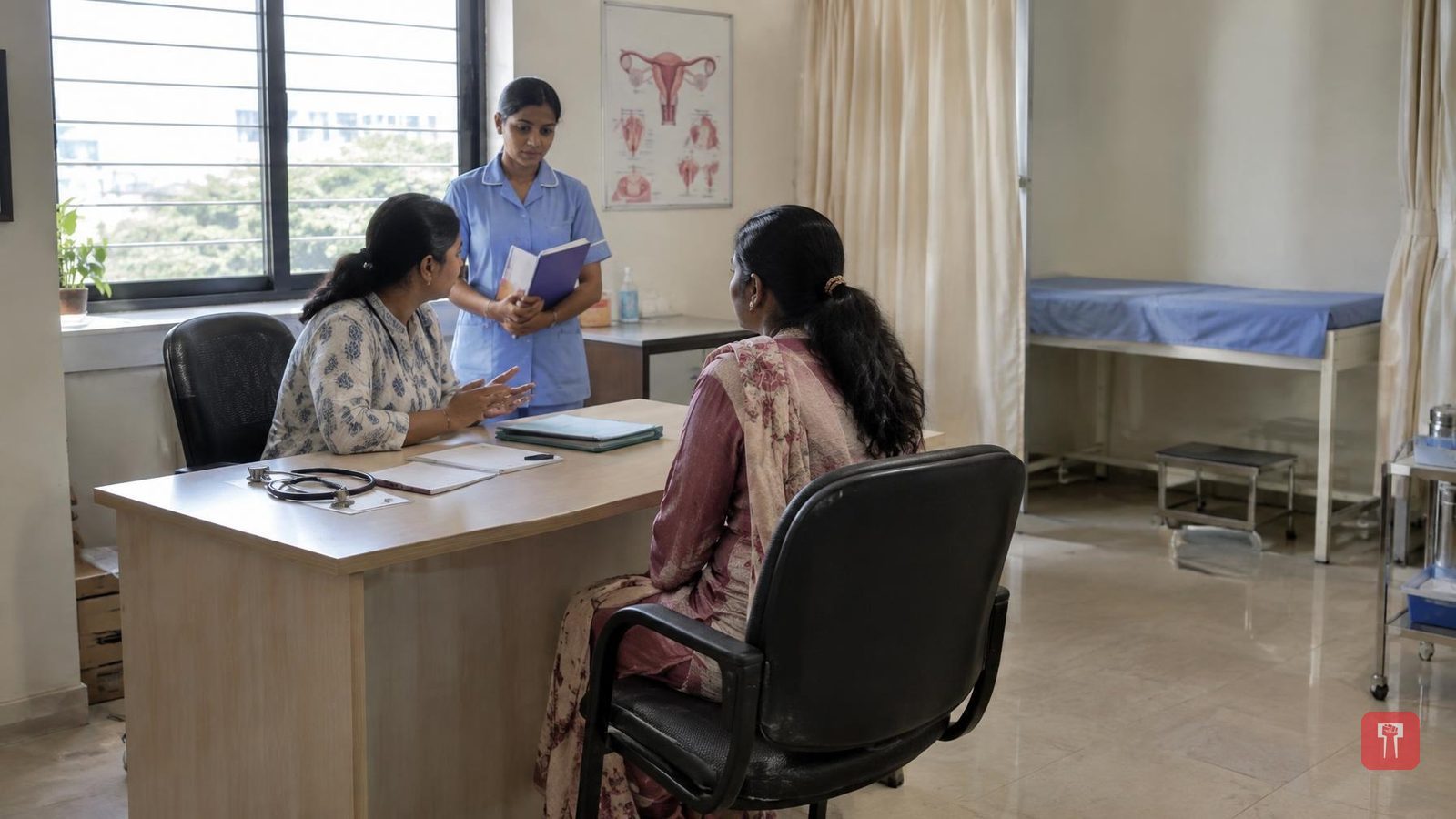
Pune: As women grow older, they may notice changes in their periods, bloating, pain in the lower abdomen or bleeding after menopause. These are often dismissed as a result of age. Dr Payal Narang, a gynaecologist and obstetrician at Motherhood Hospital, Lullanagar, Pune, has explained the issue in detail.
According to Dr Narang, these symptoms can sometimes have minor causes. But if they recur or feel different from usual, ignoring them can turn serious later. Such symptoms can also appear in cancers of the uterus, cervix, ovaries, vagina and vulva. It is therefore important to pay attention to unusual changes in the body in time and consult a doctor.
Dr Narang said women running a household often give little importance to their own health. Irregular periods are put down to age. Persistent bloating is assumed to be indigestion or gas. Discomfort in the lower abdomen is taken as a common problem that comes with age. Bleeding after menopause, too, can be dismissed as the result of hormonal changes.
She said these changes can sometimes point to a serious problem. In these cancers, some symptoms look like ordinary hormonal or digestive troubles. So if a woman feels anything different from what is normal for her, she should get a medical check-up in time.
Dr Narang described a sudden change in period bleeding as an important sign. A doctor should be consulted if periods become heavier than usual, last longer or there is bleeding between two periods, and these changes are new. Any bleeding after menopause in particular should not be dismissed as merely age or a hormonal change. Such bleeding can have causes other than cancer, but a medical check-up is necessary.
She said occasional bloating is common. But if persistent bloating, pain or discomfort in the lower abdomen, or feeling full after eating very little keeps recurring, it should not be ignored. If these symptoms are new, recurrent or gradually worsening, it is necessary to consult a doctor.
According to Dr Narang, lower abdominal pain can have many causes. Cysts in the uterus, endometriosis, infection or digestive problems can also cause it. But if the pain is persistent without any clear cause, especially with changes in periods, bleeding or urinary complaints, medical advice should be sought. She said there is no need to wait until the pain becomes unbearable.
Abnormal or persistent vaginal discharge should also be examined, especially if it contains blood or has a foul smell. Persistent itching in the vulval area, changes in skin colour, sores or blisters, cysts or a sore that does not heal should not be ignored either.
Unexplained weight loss, persistent fatigue or changes in urinary and bowel habits, if they appear along with other complaints, also call for talking to a doctor. Dr Narang made it clear that not every abnormal symptom means cancer. Many have ordinary causes or causes unrelated to cancer. There is no need to panic, she said, but persistent symptoms should not be ignored either.
According to Dr Narang, women know their own bodies' daily changes best. So if anything feels different from usual, keeps recurring or shows a clear change from the normal pattern, it is important to talk to a doctor. With a timely medical check-up, it is possible to understand the cause and start necessary treatment early.
