

Pitru Paksha begins: Garuda Purana explains why the departed still feel hunger and thirst
As Pitru Paksha begins, the Garuda Purana explains why the departed still feel hunger and thirst, and the purpose of Shraddha, Tarpan and Pind Daan
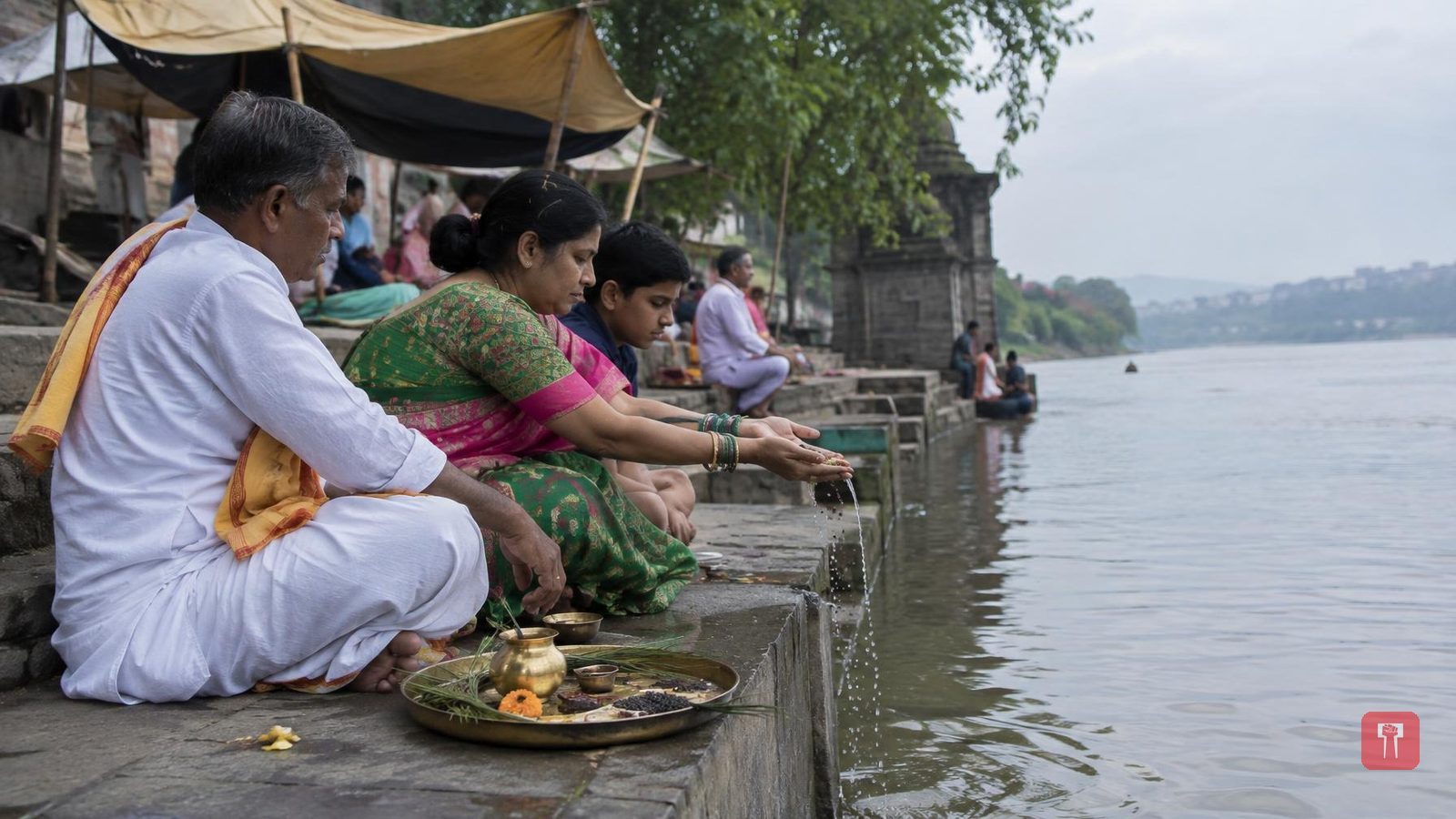
Pitru Paksha began on September 27, right after the Ganpati festivities ended. The occasion often raises questions about what happens to a person after death, whether the soul still feels hunger and thirst after leaving the body, and the real reason behind the tradition of offering food and water during Shraddha. In Hindu tradition, the Garuda Purana has these answers in the form of a conversation between Lord Vishnu and his vehicle, Garuda. It also explains the real purpose behind Shraddha, Pind Daan and Tarpan performed after death.
The word Shraddha comes from "shraddha", meaning reverence and gratitude towards one's ancestors. According to the Garuda Purana, the naivedya offered during Shraddha keeps the ancestors satisfied in a subtle form throughout the year. It is believed that this pleases them, and in turn they bless the family with peace, prosperity and children.
Tarpan is also performed to please the ancestors. In this ritual, kusha grass, black sesame seeds and barley are held in the hand and offered along with water to the ancestors. According to the Garuda Purana, the water offered this way quenches their thirst. Meanwhile, Pind Daan is performed at pilgrimage sites such as Gaya, Haridwar and Prayagraj to help the soul attain moksha or continue its onward journey; it is believed this frees the departed soul from worldly bonds and attachment. In many places, it is also believed that once Pind Daan has been performed, there is no need to separately perform Shraddha or Tarpan for the ancestors or the deceased.
The biggest question remains whether the departed truly feel hunger and thirst after death. According to the Garuda Purana, when the soul leaves the body after death and sets out on the difficult journey to Yamlok, it feels hunger and thirst. It needs energy to complete this journey, which it receives through the Pind Daan performed by the family. This is why offering pind for ten days after death gives the soul the strength to complete its long journey to Yamlok.
This is also why these rites are performed daily for 13 days after death. According to the Garuda Purana, even after the 13th day, it remains necessary to keep those who have gone to Pitru Lok satisfied. This is why, during Pitru Paksha, family members perform Tarpan, Shraddha and Pind Daan for the peace of the departed soul. According to the Garuda Purana, these rites are performed not only for the peace of the ancestors' souls but also to repay one's debt to them and ease their journey.
