

Pitru Paksha 2026: How to fix the right date and time for shraddha rituals
As Pitru Paksha begins, here are the rules for timing shraddha rites, from unnatural deaths to the first year after death
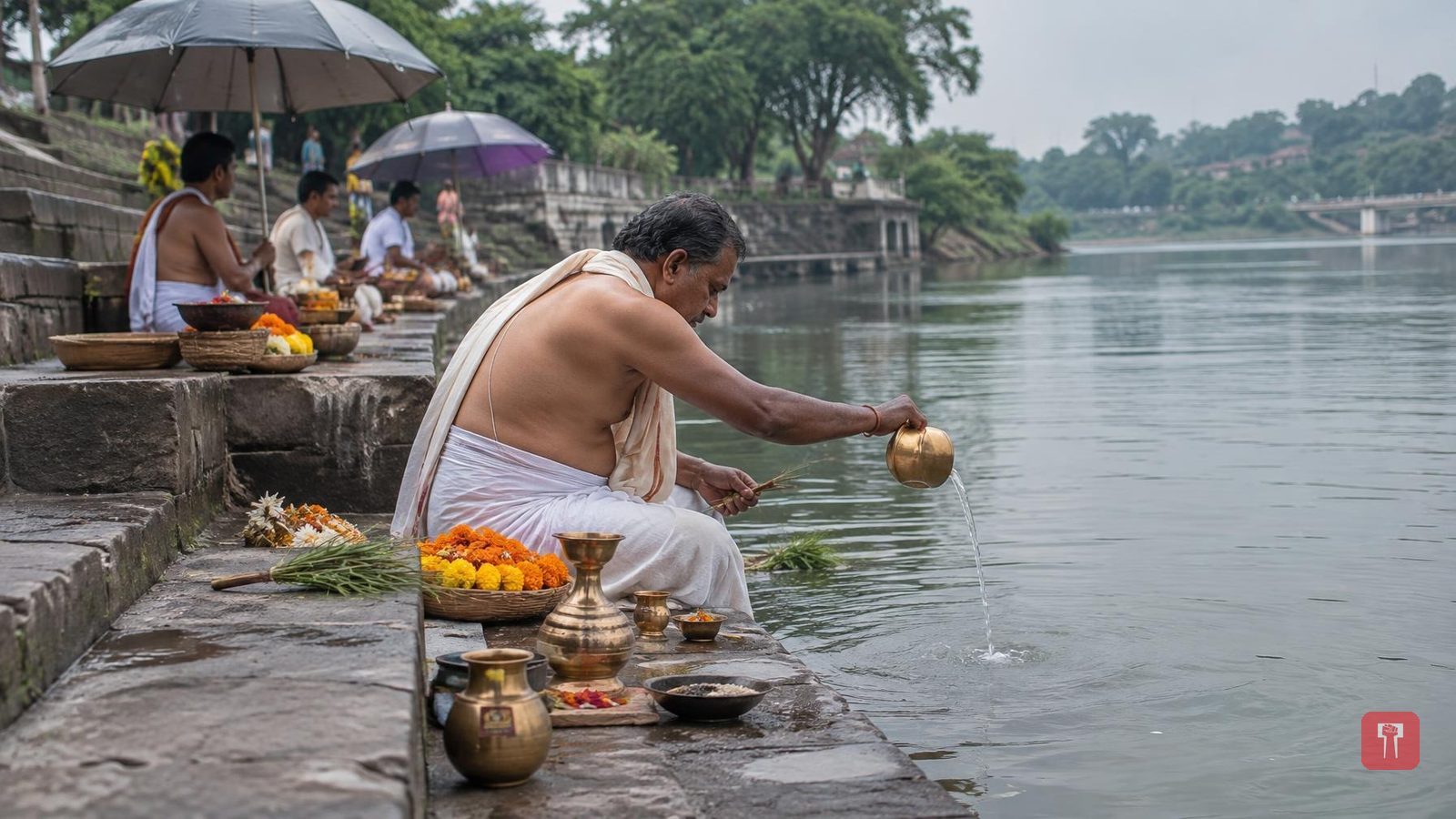
Pitru Paksha is considered a very important period in Hinduism, dedicated to ancestors. During this time, people perform rites such as shraddha, tarpan and pind daan to bring peace and honour to the souls of their forebears. It is believed that performing shraddha according to the prescribed rules during Pitru Paksha brings the blessings of ancestors, which is why people perform the rites on the date corresponding to their ancestor's death.
This year Pitru Paksha begins on Saturday, September 26, and ends with Sarvapitri Amavasya on Saturday, October 10. Before it begins, it is important to understand on which dates and at what times shraddha should not be performed. Certain rules exist for this, and shraddha is advised to be postponed on certain dates, times and circumstances.
For the first year after a death, Hindu tradition prescribes separate rites for the deceased. The rituals on the tenth, twelfth or thirteenth day after the last rites, the monthly shraddha, and the varsha shraddha performed a year later are all separate traditions. In some customs, more importance is given to these post-death rites than to the regular Pitru Paksha shraddha in the first year. However, this practice can vary depending on caste, region, sect and family tradition.
For a person who died an untimely or unnatural death, a special shraddha is performed on the Chaturdashi date of Pitru Paksha, according to belief. In some places this is called the "Chaturdashi shraddha" or "Ghat Chaturdashi shraddha". This date is considered significant for those who lost their lives in accidents, from injuries caused by weapons, or other unnatural causes.
According to belief, shraddha should not be performed after sunset or at night. Only a particular time of day is considered correct for shraddha, tarpan and pind daan, which is why it is traditional to consult the local panchang to determine the auspicious time before performing the rites.
As per tradition, the afternoon period of the day, that is, the time after noon, is considered correct for shraddha. Instead of performing shraddha in the morning or at night, the custom is to choose the correct auspicious time by consulting the local panchang and family tradition. When fixing the date for shraddha, it is not just the date on the English calendar that is considered, but also the date according to the Hindu panchang and the afternoon period of that day.
If for some reason the shraddha date of the deceased is not known or has been missed, then Sarvapitri Amavasya is given special importance. On this day, it is customary to remember all ancestors, known and unknown, and perform shraddha, tarpan or pind daan. If there is any confusion about the date, it is considered correct to perform the rites after consulting the local panchang or seeking the advice of a knowledgeable priest.
