

Pitru Paksha 2026 begins September 27, ends October 10 with Sarvapitri Amavasya
This year's Pitru Paksha starts on September 27 and concludes on October 10 with Sarvapitri Amavasya.
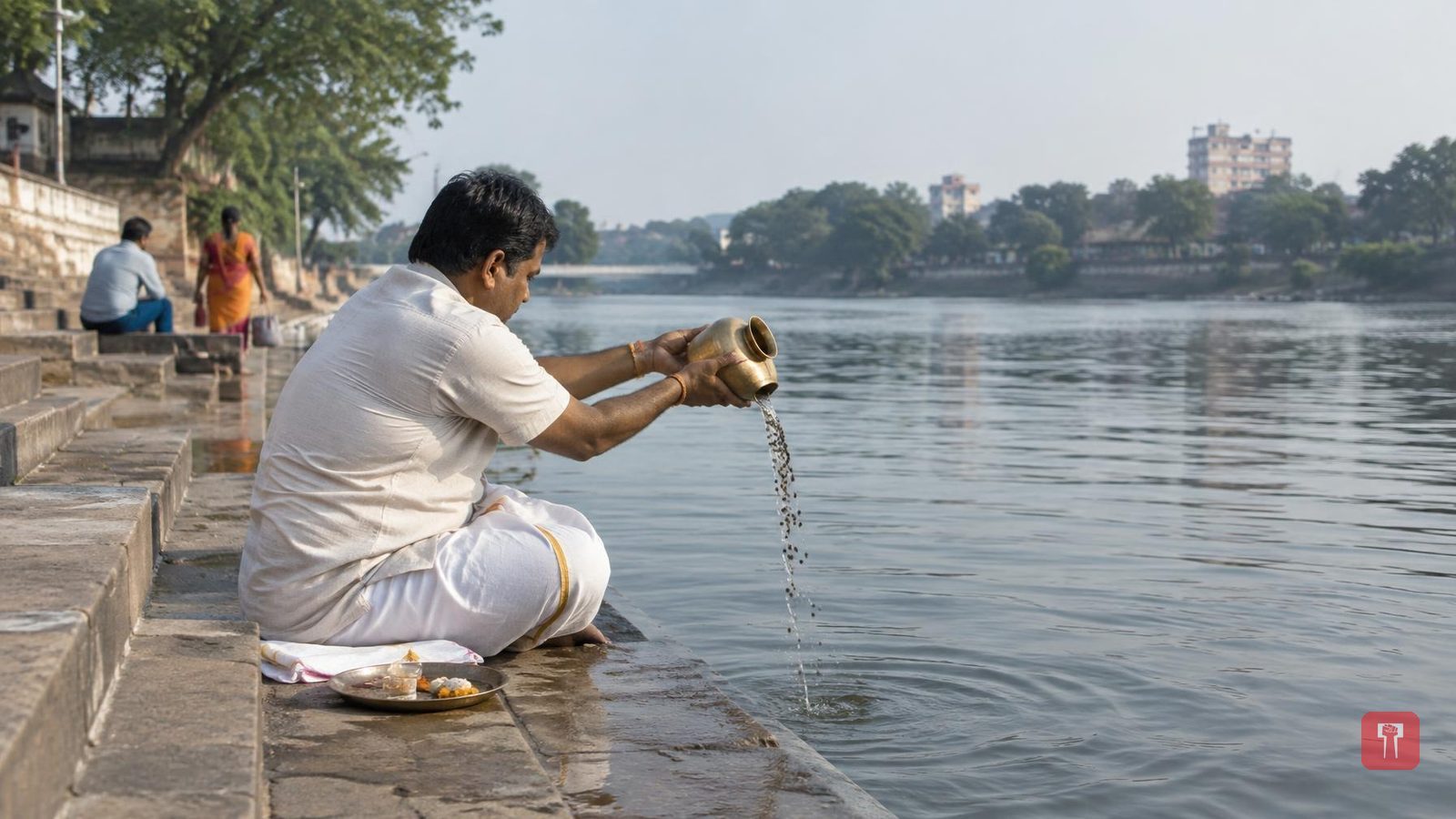
Pitru Paksha holds special significance in Sanatan Dharma. It is considered not just a time for shraadh and tarpan, but also an occasion to remember one's ancestors and express gratitude towards them. It is believed that tarpan, pind daan, shraadh and charitable acts performed during this period bring peace to the souls of ancestors, whose blessings then remain with the family. This year, Pitru Paksha begins on Sunday, September 27, and ends on October 10 with Sarvapitri Amavasya.
On Bhadrapada Purnima, water and naivedya, or food offerings, are offered not to ancestors but to sages. It is believed that naivedya offered to ancestors is never fruitful unless it is first offered to sages, hence the practice of offering to them first. While performing shraadh-tarpan on the first day, care should be taken to make the offering near a pond or river. If there is no river or pond nearby, the ritual can be performed in a courtyard or on a terrace, near a hand pump or tap.
September 27 is the Pratipada date of Krishna Paksha. On this day, shraadh is performed for ancestors who died on the Pratipada date. This is also called Padwa Shraadh.
Naivedya and charity hold special significance during Pitru Paksha. One should wake up early in the morning and offer water in the name of one's ancestors, adding a few black sesame seeds to that water. It is believed that doing so pleases the ancestors and brings their blessings. Performing this ritual continuously for 16 days is believed to bring the blessings of ancestors, remove all sins and resolve all kinds of problems.
Pitru Paksha always begins on the Pratipada date of Krishna Paksha in the month of Ashwin and continues until Amavasya of Ashwin Krishna Paksha, that is, Sarvapitri Amavasya. During this period, shraadh rituals such as tarpan are performed with devotion for the liberation of ancestors. Those whose ancestors died on Purnima can perform the shraadh ritual on Bhadrapada Purnima, a day before Pitru Paksha begins, or on Sarvapitri Amavasya.
Tarpan is given a special place in the shraadh ritual. Ancestors are remembered by offering water. According to religious belief, tarpan performed with devotion is considered a way of expressing gratitude towards ancestors.
Pind daan is also considered an important part of the shraadh ritual. It involves making pinds, or offerings, from rice, sesame seeds and other traditional items and offering them to ancestors. The method of pind daan can vary according to the region and family tradition.
During Pitru Paksha, there is also a tradition of donating food grains, clothes, grain or other items according to one's capacity. According to religious belief, charity given to those in need is considered a meritorious act.
The afternoon period of the day is given importance for the shraadh ritual. The exact date and time for shraadh is decided according to the Panchang. For instance, for the Pratipada shraadh on September 27, the Kutup, Rohina and afternoon periods are given depending on the location.
If the date of an ancestor's death is not known, there is a tradition of performing shraadh on Sarvapitri Amavasya during Pitru Paksha. On this day, all those ancestors whose date is not known are remembered.
