

Petrol, CNG or EV: which costs less to drive every day
Running costs, not just the sticker price, should guide the choice between petrol, CNG and electric cars for daily drivers.
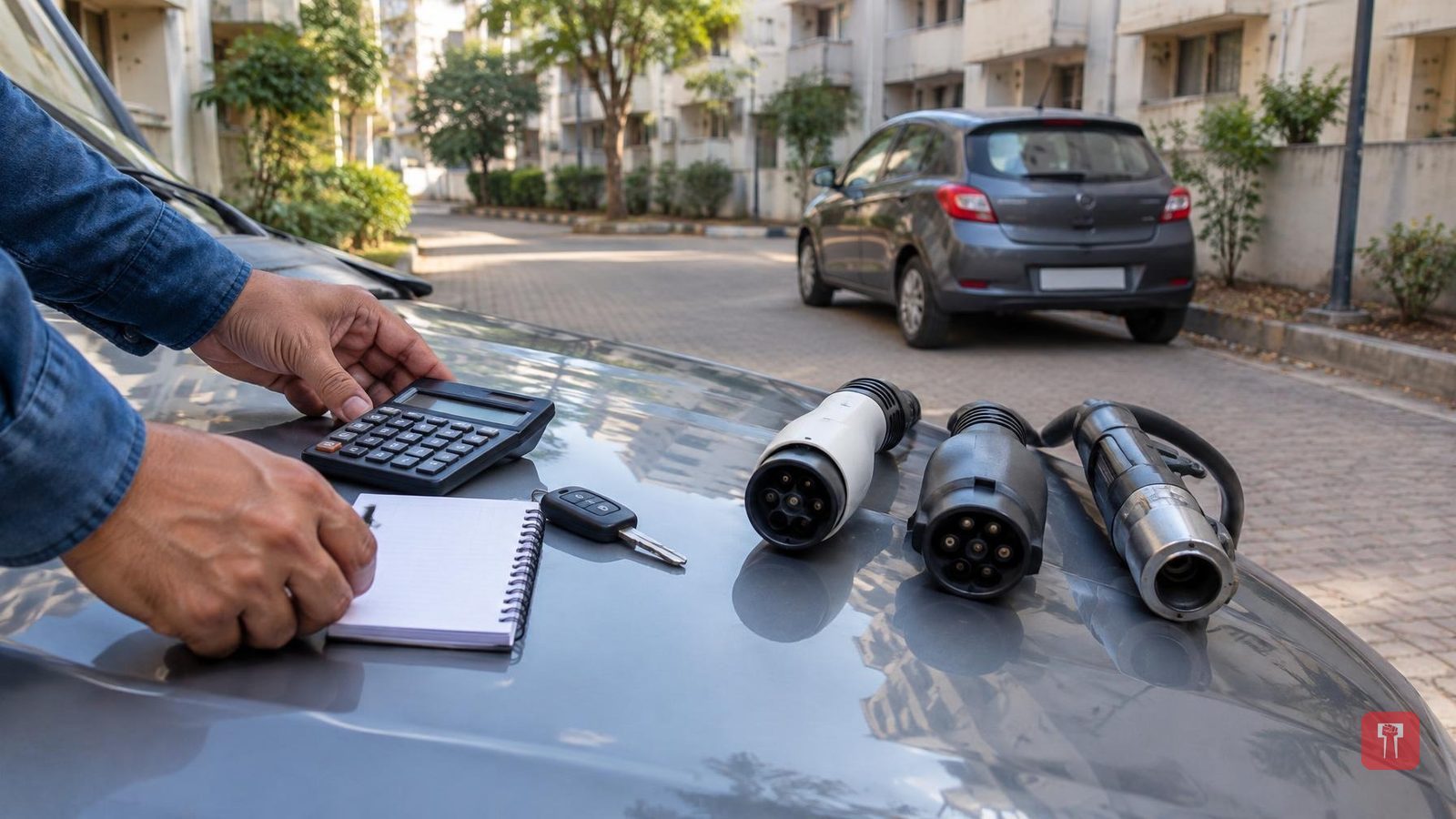
Buyers shopping for a new car now have three options: petrol, CNG and electric. Deciding on the basis of the starting price alone is not wise. How much the car will be driven, the monthly fuel or charging cost, and maintenance expenses all need to be factored in.
A petrol car costs less to begin with than the other two, which makes it attractive to buyers on a tighter budget. Petrol pumps are easy to find everywhere, so there is no anxiety about fuel even on long trips, and filling up does not take long. But if the car is driven a lot, the regular petrol expense can add up significantly.
For instance, in the case of the Tata Nexon petrol, the fuel cost works out to around Rs 7.69 per kilometre, according to the figures given. For those who cover more distance every day, this adds up over months and years. So if the car is meant to be used for a long time, choosing a petrol car only because its starting price is lower may not be the right call.
A CNG car costs a little more than the petrol model to begin with, but because CNG is cheaper, the fuel cost per kilometre comes down. According to the figures given, the Nexon CNG costs around Rs 5.30 per kilometre to run. This can mean good savings over time for those who cover long distances daily. But before buying a CNG car, it is important to check whether CNG pumps are easily available in one's city and along the daily route. If CNG supply is easily accessible and the car is used a lot, this option can work out well.
An electric car's starting price can be higher than that of a petrol or CNG car, but it benefits from a lower daily running cost. According to the figures given, if home charging is available, an EV's cost works out to around Rs 2.50 per kilometre. EVs do not need petrol or CNG refills. If charging is available at home or office, the daily commute cost can be kept low, and the absence of a conventional petrol engine can also reduce some regular maintenance expenses.
However, before buying an EV, availability of charging is the biggest issue. If charging can be arranged at home or office, the cost benefit is greater, but if one has to repeatedly rely on public or fast chargers, the charging cost can go up.
So which car should one buy? If the daily commute is short and petrol pumps are easily available, the petrol option can be considered. If long distances have to be covered daily and CNG pumps are well available, the CNG option can be considered. And if charging is available at home or office and daily travel is high, an EV's lower running cost can prove to be a big advantage. While buying a car, the decision should factor in not just the ex-showroom price but the total cost over five years, daily distance, fuel availability and charging facility as well.
