

Over 5,000 detained in a week as French high school students protest over school conditions
Thousands of high school students have taken to the streets in France over shortages of teachers, overcrowded classes and crumbling buildings, with a nationwide protest planned for October 6.
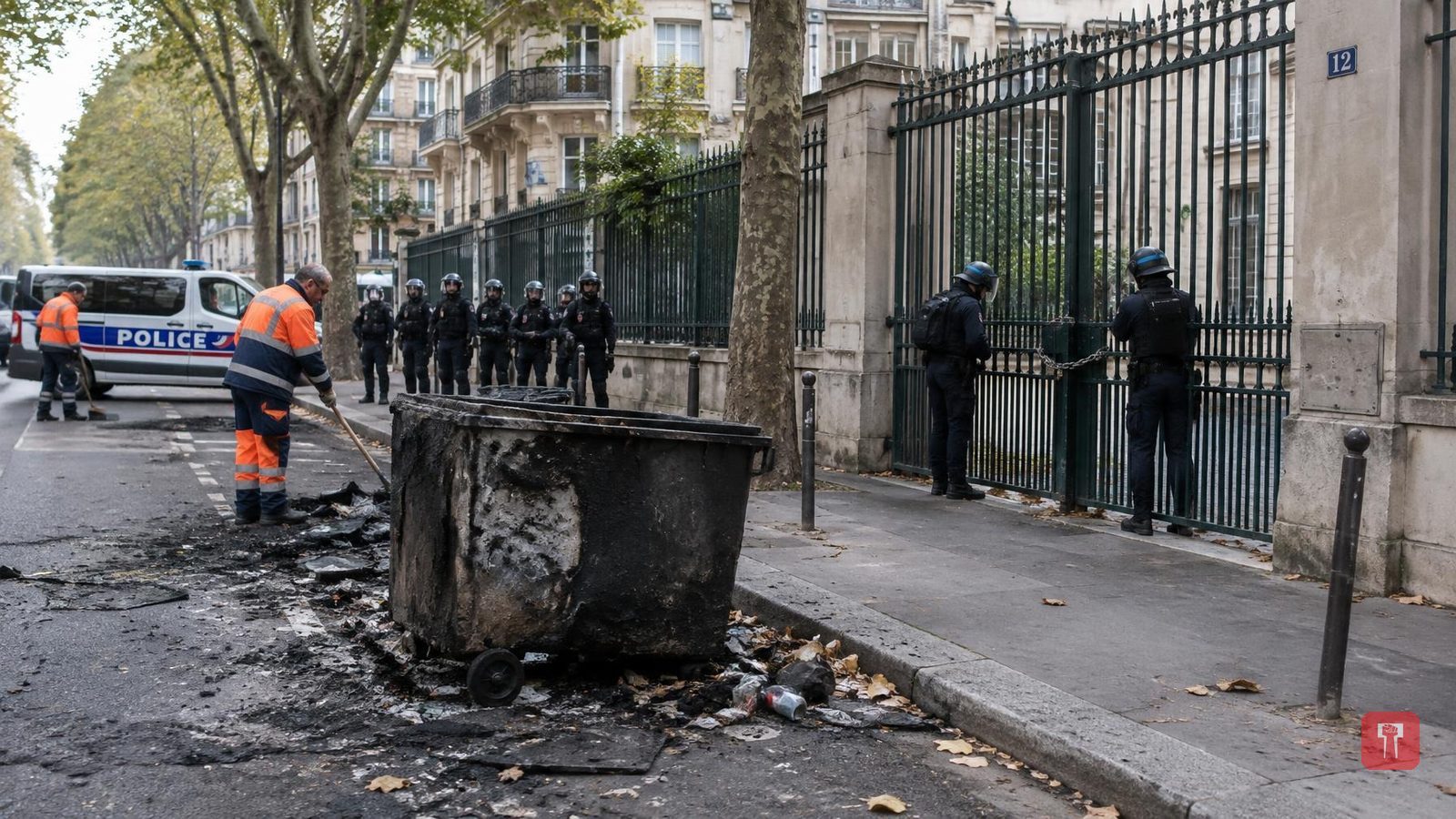
Thousands of high school students in France have taken to the streets against shortcomings in the education system. The agitation, which began over the basic right to education, has triggered a wave of anger across the country.
During the protests, rubbish bins and vehicles were set on fire on the streets. High school buildings were locked, and stones were also thrown at police. This has raised serious law-and-order concerns in many cities. The administration has had to use tear gas and rubber bullets to bring the protests under control.
The numbers show how serious the situation is. In just one week, police have detained more than 5,000 protesting students and citizens. On Friday alone, 1,747 people were arrested, while about 735 educational institutions were completely shut down. On Thursday, the figure had gone past 1,000 high schools. What began as a small protest over local school issues has now become a national crisis for the whole of France.
The protesters have cited reasons for taking to the streets. Many high schools have a serious shortage of regular teachers. When a teacher falls ill or goes on long leave, the administration makes no arrangement for a substitute. As a result, classes in key subjects such as mathematics, science and languages are cancelled for hours and for months at a stretch. This directly hurts students' futures.
Classrooms are also overcrowded. Where a class is meant to hold 25 to 30 students, 35 to 40 are made to sit in practice. Teachers are therefore unable to give individual attention to each student, and the atmosphere for study has broken down.
Many high school buildings are very old and dilapidated. There is no hot water in winter, classrooms heat up in summer, and in some places there is even a shortage of drinking water. The long and rigid timetable, from 8 am to 6 pm, is seriously affecting students' mental health. Academic pressure and inadequate facilities are increasing depression among students.
The French government has deployed a large contingent of security forces to stop the protests. But the crackdown has made the students more aggressive. Even after more than 5,000 people were detained, the protests have not lost steam. Instead, the protesters appear to be gaining the support of parents and many teachers' unions.
Student organisations have said clearly that the protest will not be withdrawn until the government recruits teachers and sanctions a budget to improve school infrastructure. There is a serious risk that the nationwide demonstrations on October 6 will bring France's transport, education and government machinery to a halt. All eyes are now on what solution the French government finds to the crisis.
