

Operation Thunder: Nagpur's Anti-Drug Drive Now a GS-3 Case Study
Dr Singal's model combines enforcement, financial investigation and community participation
Operation Thunder: Nagpur's Anti-Drug Drive Now a GS-3 Case Study
डॉ Singal's model combines enforcement, financial investigation and community participation
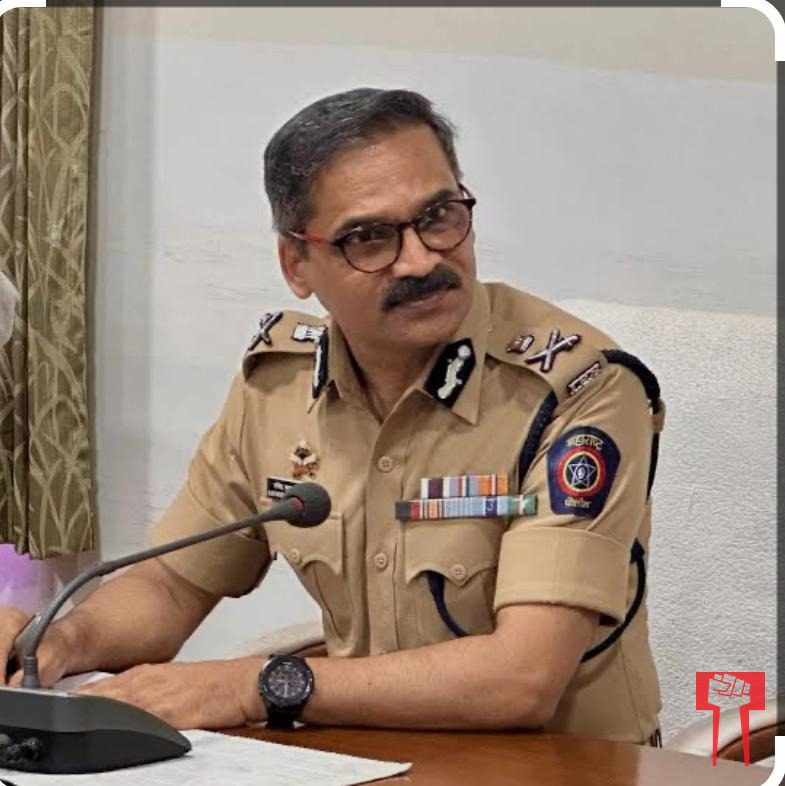
Nagpur Police's Operation Thunder, launched under then Police Commissioner Dr Ravinder Kumar Singal, IPS, has emerged as a practical case study for tackling drug trafficking and organised crime.
The campaign went beyond routine arrests and seizures. It focused on breaking drug networks, tracking illegal money and involving citizens in prevention.
According to police figures, more than 1,000 cases under the NDPS Act were registered during the campaign. Around 1,438 accused were arrested and drugs worth nearly Rs 22 crore were seized.
The seizures included around 1,500 kg of ganja, valued at Rs 3.36 crore, and nearly 17 kg of mephedrone, valued at more than Rs 11 crore.
Dr Singal stressed that the fight against drugs cannot be left to the police alone.
"Drug trafficking is not only a law-and-order issue. It affects families, young people and society as a whole. Police action has to be supported by parents, educational institutions and citizens," Dr Singal said.
Targeting the network
Operation Thunder focused on identifying the people behind the supply chain. Police also examined the financial networks and assets linked to the drug trade.
The idea was to hit the economic strength of organised drug networks instead of focusing only on street-level peddlers.
"If we only arrest one peddler, another person can take his place. We have to reach the people controlling the supply chain and attack the financial resources of the network," Dr Singal said.
Focus on youth
Prevention was another major part of the campaign. Awareness programmes were conducted in schools and colleges and reportedly reached more than five lakh students.
Police also conducted anti-drug pledge drives and outreach programmes in slums and economically weaker neighbourhoods.
Dr Singal said young people need to understand the risks before they are exposed to addiction.
"Awareness among youngsters is as important as enforcement. Parents, teachers and senior citizens can play an important role in identifying vulnerable youth and preventing them from falling into the drug trap," he said.
Why it matters for GS-3
Operation Thunder provides a contemporary example for UPSC General Studies Paper III, particularly on internal security, organised crime, narcotics trafficking and illicit financial networks.
It also shows how intelligence-led policing, financial investigation, enforcement and community participation can be combined in the fight against drugs.
The initiative is not a formal UPSC case study or endorsement. However, its experience provides civil services aspirants with a local example to explain the need for a multi-dimensional strategy against drug trafficking.
The Nagpur experience also highlights an important lesson: sustained action against drugs requires not just arrests, but prevention, public participation, inter-agency coordination and action against the financial backbone of organised crime.
