

Only High Court, Supreme Court can bar remission in life terms, not sessions courts: SC
The Supreme Court ruled that only itself and High Courts can bar remission in life sentences, modifying a 25-year term for the Ludhiana triple murder convicts.
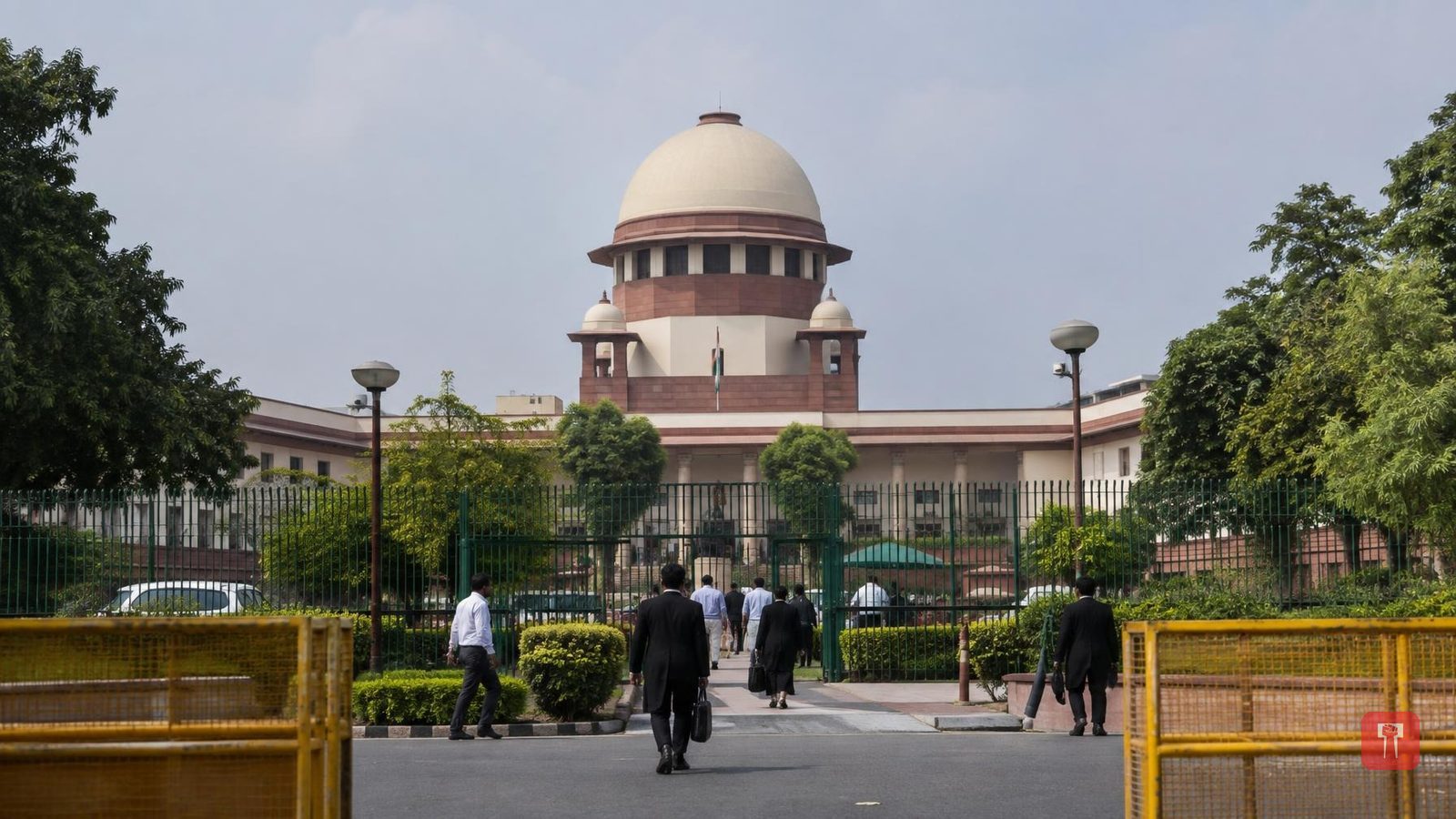
The Supreme Court, hearing a major case on Thursday, September 24, said a sessions court, that is, a trial court, cannot hand down a life sentence barring remission for a fixed number of years, such as 20 or 25 years without remission, to an accused in a murder case. The Supreme Court said only the Supreme Court and High Courts have the power to deny remission for a fixed period or cancel remission of sentence; trial courts do not have this power.
The ruling came while hearing a case relating to the December 2009 triple murder of a woman and her two minor daughters in Ludhiana, Punjab. A bench of Justice Arvind Kumar and Justice Vipul M. Pancholi upheld the conviction of the accused in the case but modified their sentence to 25 years of rigorous imprisonment.
The case involved Naval Kishore and another convict. Naval Kishore and his accomplice were accused of murdering a woman named Pinky, her 8-year-old daughter Divya and her 5-year-old daughter Pooja in Ludhiana. The trial court had sentenced them to life imprisonment. Delivering its verdict, the Supreme Court said a prisoner can be kept in jail for the rest of their life, but a sessions court cannot impose limits on the statutory powers of remission and sentence reduction.
The Supreme Court said constitutional courts have the power to grant remission in a special category of life sentence, a power the sessions court does not have. A sessions court cannot take away the power to grant remission and reduce sentences available under the CrPC. The Supreme Court said such a direction by a sessions court goes against the legal system.
In 2014, the trial court had convicted both the accused and sentenced them to life imprisonment along with a fine of Rs 2,500. The Punjab and Haryana High Court, on December 12, 2022, had upheld the conviction and sentence of both accused and dismissed their appeal. The Supreme Court subsequently upheld the conviction of both petitioners under Section 302 of the Indian Penal Code but modified their sentence.
According to the Supreme Court's ruling, the trial court could sentence the accused to life imprisonment under Sections 302 and 34 of the Indian Penal Code, but it could not impose the special category of life sentence on the two convicts. The Supreme Court set aside the orders of the trial court and the High Court and sentenced both convicts to 25 years of imprisonment. The court made clear that during this period they will not be entitled to any form of remission.
