

Officer hailed hero online for simply doing his job by the book
Maharashtra FDA chief Tukaram Mundhe has gone viral for tough enforcement drives, part of a pattern of officials praised for merely following rules
In India, a government officer should not become news just for doing their job properly. But every few years, some officer ends up in the spotlight for exactly that reason. Fifty-one-year-old Tukaram Mundhe is that face right now. Among lakhs of government employees, only a handful suddenly become public figures.
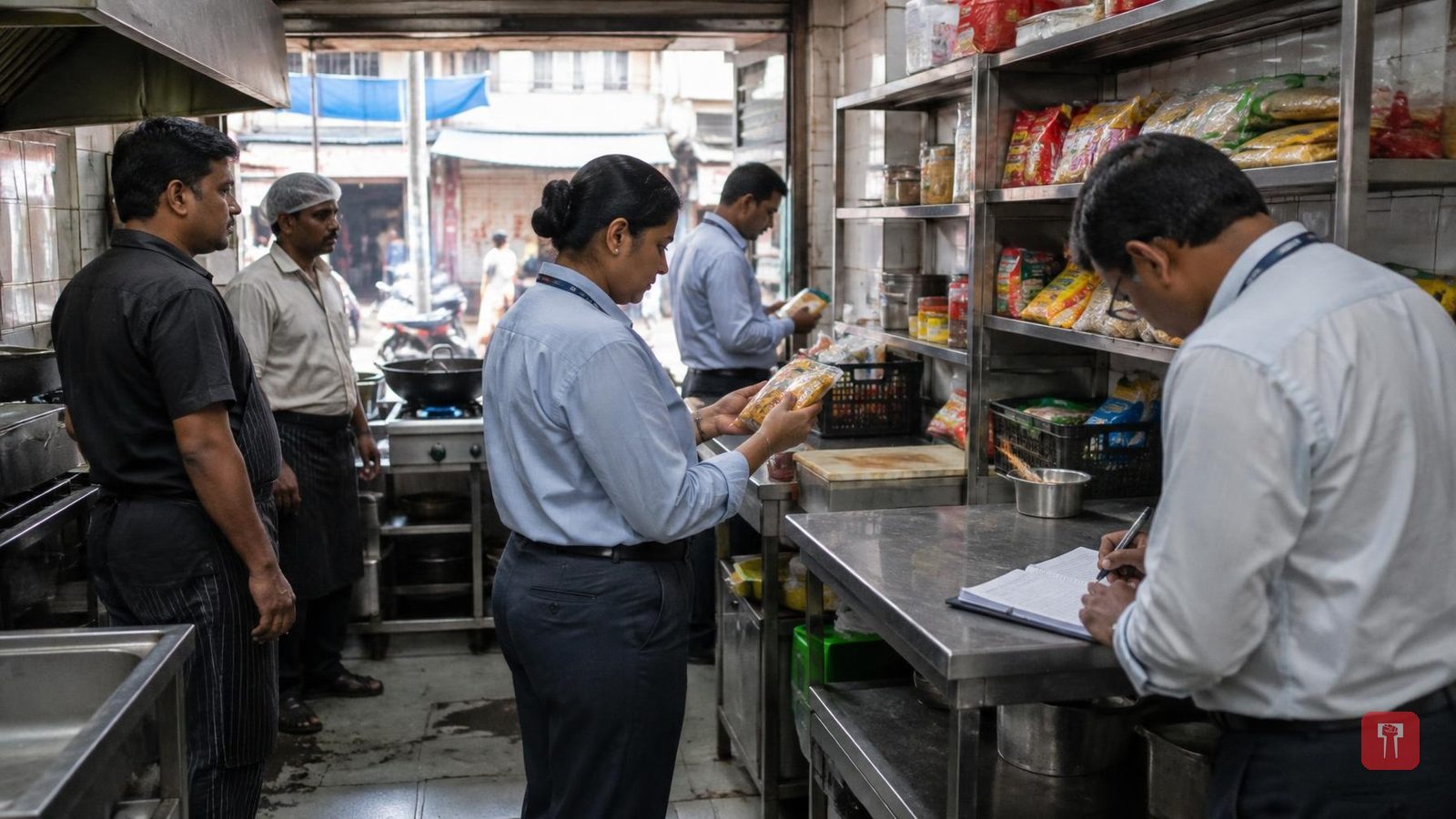
Mundhe is the Commissioner of the Maharashtra Food and Drug Administration (FDA). Since taking charge in May, he has run several major enforcement drives. His teams have inspected restaurants and other food businesses, catching insects, filth and expired food. Mundhe has also highlighted how little hospitals spend on common medical supplies compared to how much they charge patients.
Videos and photos of these actions have gone viral on social media, and Mundhe has become an overnight celebrity of sorts. Hundreds of people have commented saying they wish a similar officer would be sent to fix food safety lapses in their own states.
Mundhe is not alone. In Gurugram, near Delhi, District Town Planner R S Batth has also been praised for acting against illegal construction and encroachment.
Retired civil servant Kamal Kant Jaswal says, "What should have been normal has now become exceptional." He says delays, running around government offices and negligence have become so common for ordinary people that an officer doing their job properly now seems like the exception.
Several officers have become well known before for simply following the rules: T N Seshan, Chief Election Commissioner in the 1990s; Kiran Bedi, called "Crane Bedi" for towing Indira Gandhi's wrongly parked car in the early 1980s; Ashok Khemka, who intervened in a land deal in 2012; and Neeraj Jadaun, a police officer who stood up to a mob during the 2020 Delhi riots.
Jaswal also says thousands of officers keep doing their work without any publicity, but their work is simply not directly visible to the common man.
Rajesh Singh, 43, who works at a finance company in Delhi, says a task that should have taken 24 hours took him six months to complete, with no guarantee even then.
But officers who enforce rules strictly also face criticism, with claims that ground realities are being ignored. Sections of the food and hospitality industry have questioned Mundhe's actions, which he has rejected, saying his enforcement is evidence-based and licenses are suspended only in serious cases. Batth has also been accused of his actions affecting vulnerable people more, to which he says he only works under town-planning rules.
Jaswal explains that a street vendor's cart may be illegal in the eyes of the law, but it can also be that family's only source of livelihood. Pushpa Sundar, who was herself a civil servant for a time and has written on development issues, says officers who refuse to give in to improper demands face political pressure and transfers.
Jaswal recalls that in 1974, when he was District Magistrate in Uttarkashi in the then-undivided Uttar Pradesh, a senior minister was contesting an assembly election. He turned down several of the minister's demands that went against the rules. The minister won the election, and Jaswal says he soon received his "marching orders." But when he left for his next posting, people stood in the heat for several kilometres to see him off.
According to Sundar, social media has also changed the game: action that once stayed confined to a single district now reaches lakhs of people within hours. Speaking to the BBC last month, Mundhe said his actions are guided by public health concerns, and businesses that follow the rules have nothing to fear.
