

Nagpur runner Aniket Nalawade provisionally suspended by NADA after dope test finds banned steroid
The athlete, training under the Mission Lakshyavedh scheme, can seek a B-sample test and a hearing before any final decision.
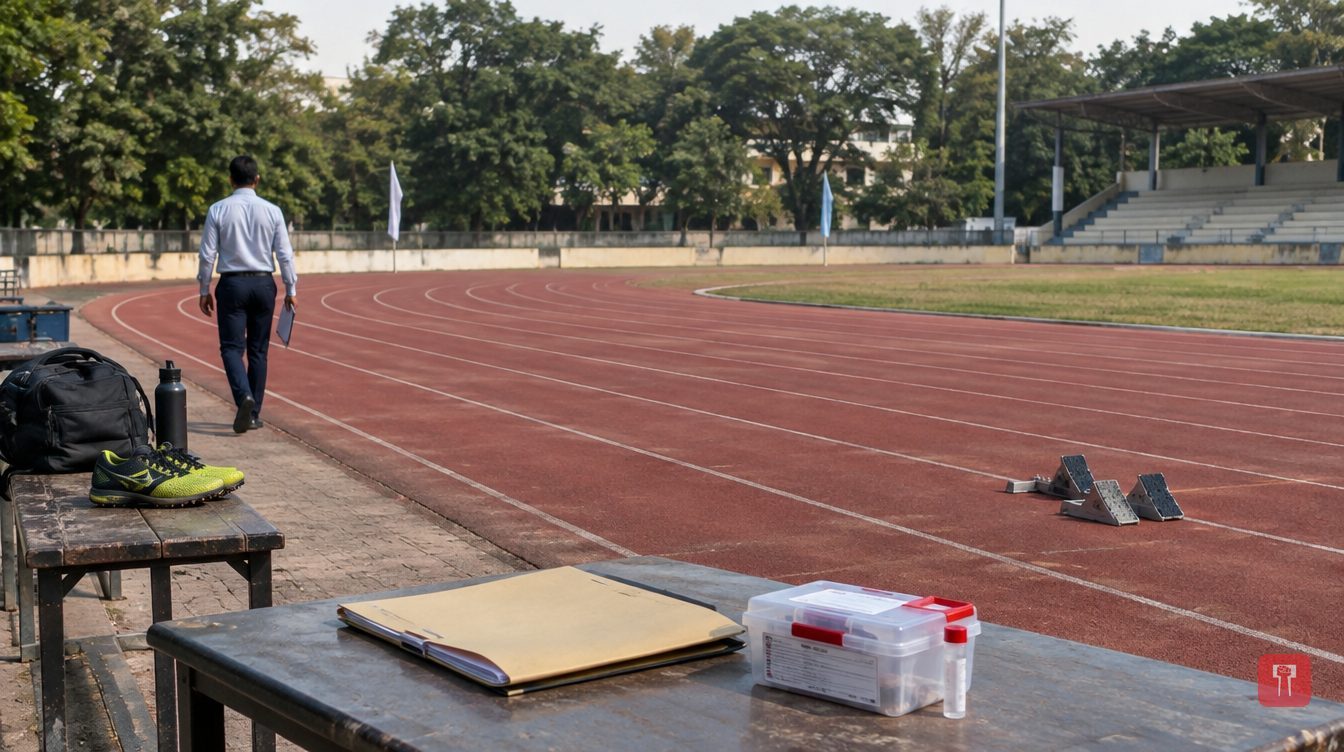 Images are not validated/verified
Nagpur runner Aniket Anil Nalawade, who trains under the Mission Lakshyavedh scheme, has been caught up in a doping case. His sample is reported to have shown a metabolite of the banned anabolic steroid metandienone. The National Anti-Doping Agency (NADA) has provisionally suspended him until a final decision is taken in the case.
According to the available information, Nalawade's urine sample was collected out of competition in Nagpur city on September 3. When it was tested at the National Dope Testing Laboratory in Delhi, the presence of a banned substance was recorded. NADA then issued a notice on October 14 and provisionally suspended him.
As per the notice, the athlete has been given 15 days to submit documents. He also has the right to get his B-sample tested, for which a fee of Rs 33,150 has been stated. Under the rules, athletes can contest the charges and present their case at a hearing.
If the presence of the banned substance is confirmed and a doping rule violation is established, a period of ineligibility of up to four years may apply under the rules. The final decision, however, will rest on the investigation, the athlete's explanation and the relevant rules.
Meanwhile, questions are being raised about athletes training with a private coach and about how they are monitored. The Mission Lakshyavedh scheme has departmental coaches to train athletes. Even so, the issue of some athletes going to train with a private coach at Nagpur University has been raised before. Nalawade is also said to train with the same coach. It has also emerged that the sports department's deputy director had permitted training with the private coach.
More than half a dozen other athletes linked to the scheme are also reported to be training there. Questions are therefore being raised over the monitoring of athletes' training, diet and supplement use, and over the guidance given on the risks of banned substances. Still, the doping report alone does not allow a conclusion on how the banned substance entered the athlete's body, or whether anyone else played a role.
Deputy Director of Sports Mahadev Kasgawade said that full details of the case have not yet emerged. He said information would be gathered, an inquiry held and further action taken after that. The B-sample test, the athlete's side of the story and the facts about the training arrangements will now be important in the case.
