

Maharashtra screens 94 lakh children under child health programme, 6.58 lakh found with health problems
Health problems were found in 6,58,384 children screened in Maharashtra between April 1 and September 20, 2026, under the Rashtriya Bal Swasthya Karyakram.
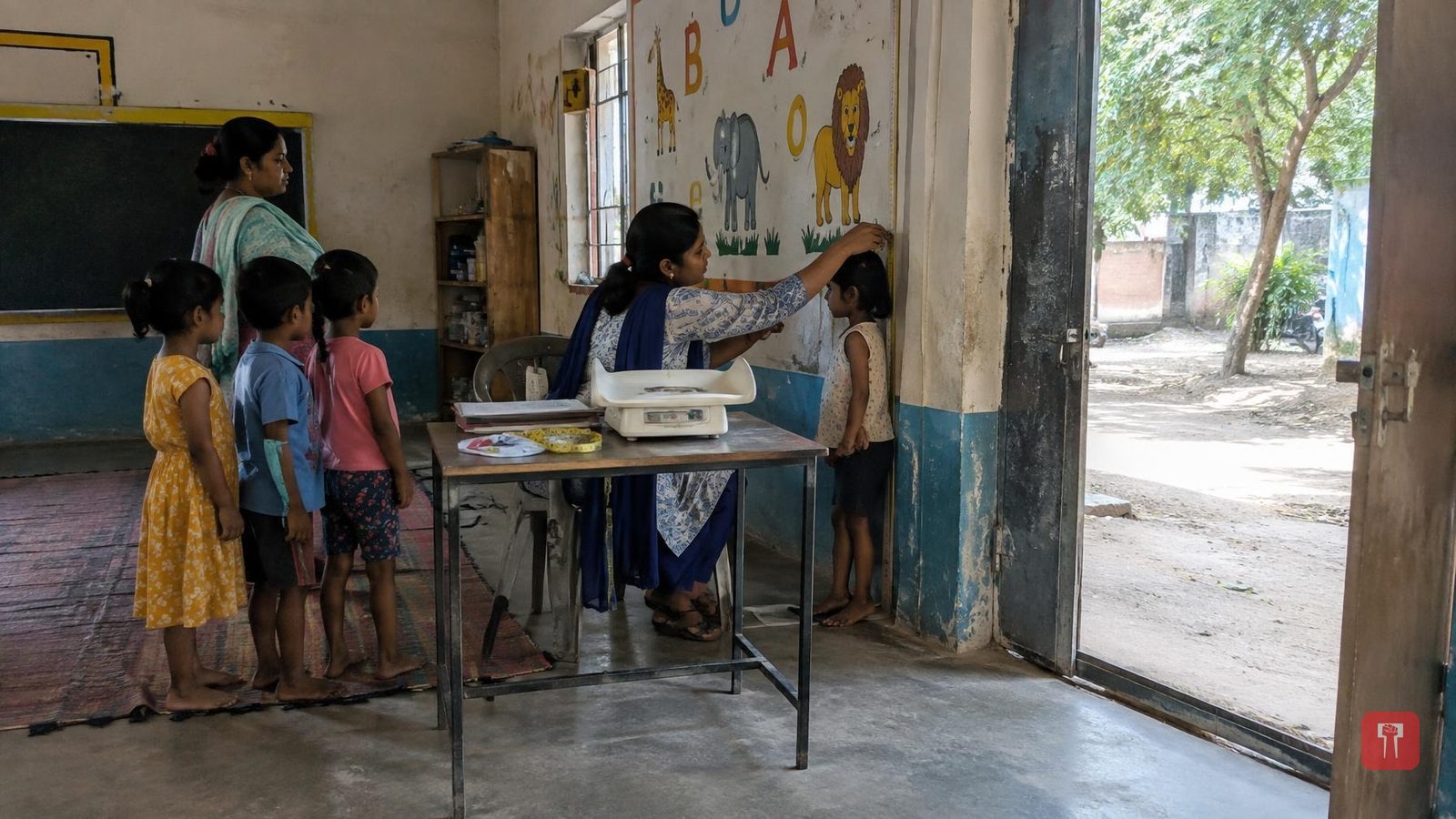
The picture of how the Rashtriya Bal Swasthya Karyakram (National Child Health Programme) is being implemented in 2026-27 has emerged. The programme aims to detect childhood ailments early and get children timely treatment. According to figures from April 1 to September 20, 2026, health screenings have been carried out on 41,28,674 children at anganwadis and 53,55,431 students in schools across the state. The screenings found health problems in 6,58,384 children.
The programme began in February 2013. It focuses on early detection of four things in children from birth to 18 years: birth defects, childhood diseases, deficiencies and developmental delays. Newborns are screened at their place of birth. Children aged six weeks to six years are screened at anganwadis. Students aged six to 18 are screened in government and aided schools.
The target at anganwadis was to screen 60,09,756 children. Of these, 41,28,674 have been screened, which is 69 per cent of the target. Of the state's 1,10,364 anganwadi centres, 89,042 have been covered. By centres, this works out to 80 per cent.
The screening figure in schools is lower. The target was 1,24,43,889 students, and 53,55,431 have been screened, which is 43 per cent. The target was to cover 88,278 schools in the state, of which 59,494 have been covered. This is 67 per cent.
Children found to be in serious condition during screening are referred for further treatment. Between April and August 2026, 820 heart surgeries were scheduled, of which 810 have been completed. Of 7,259 other surgeries scheduled, 7,252 have been completed.
A total of 1,196 mobile health teams are working in the state to implement the programme. Each team has two medical officers, one ANM and one pharmacist. In addition, the RBSK 2.0 portal has been in operation since April 1, 2026. It is being used at three levels: the mobile health team, the district RBSK and the state RBSK.
