

Maharashtra flu cases rise, Nagpur logs 226 H1N1 cases between January 1 and September 21
Maharashtra has recorded 2,320 H1N1 cases and eight deaths this year, with Pune, Mumbai and Nashik ahead of Nagpur, according to state health department data.
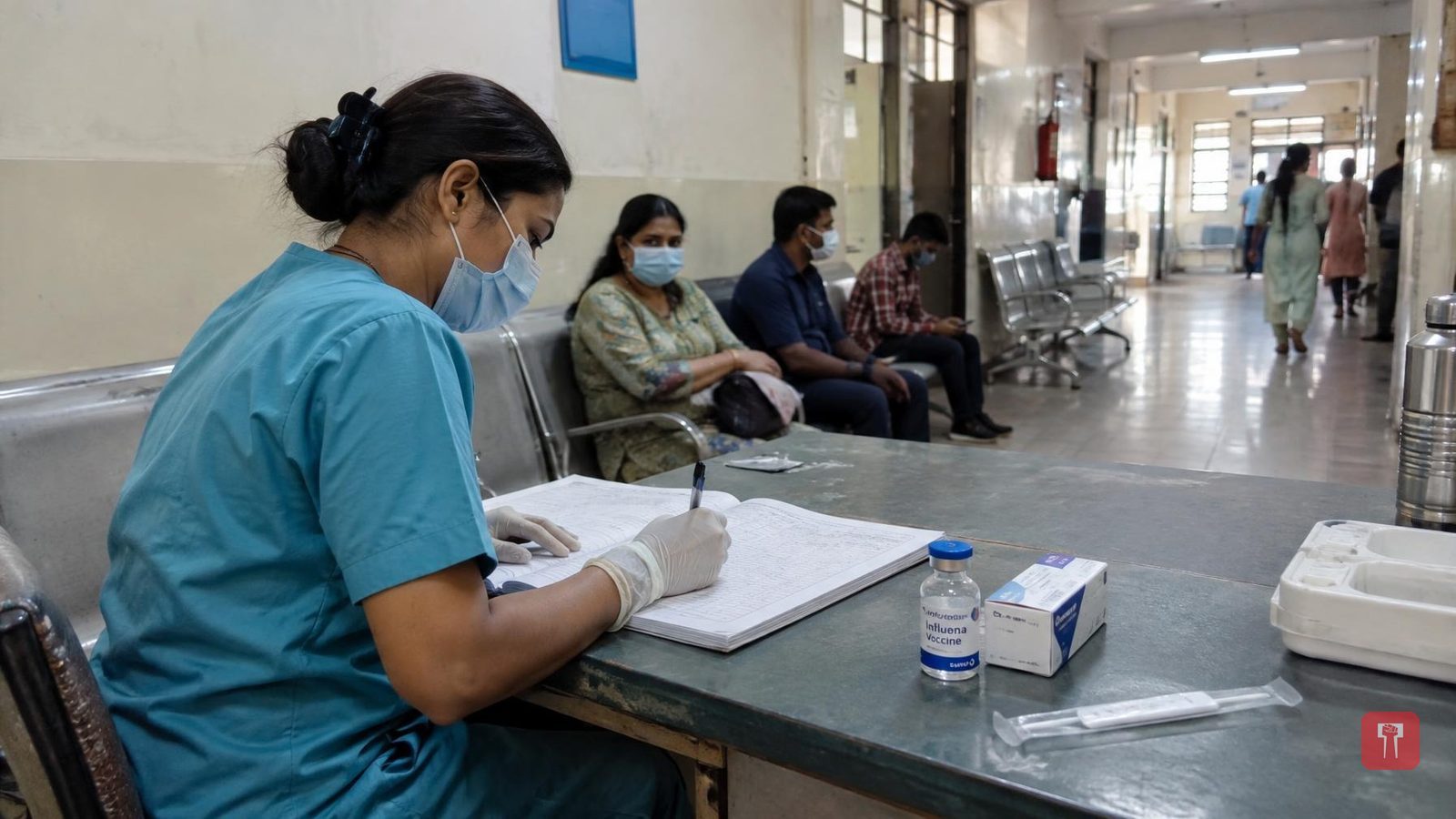
Influenza cases are rising in Maharashtra. According to state health department data, Nagpur recorded 226 cases of H1N1 (swine flu) between January 1 and September 21. In the same period, the state reported 2,320 H1N1 cases and eight deaths. Flu cases tend to increase during the monsoon and the months after it, so greater vigilance has been advised.
Among districts and municipal corporations, Nagpur is one of the places that have reported a significant number of cases. Pune has the highest number in the state at 709, followed by Mumbai with 626 and Nashik with 275. Pimpri-Chinchwad reported 113 cases in the same period.
Compared with the past few years, this year's figure is considerably higher. Maharashtra recorded 942 H1N1 cases in 2025, 2,351 in 2024 and 1,231 in 2022.
Of the 2,320 patients detected this year, 390 were in hospital, while 1,922 were in home isolation. This reflects the position when the latest state data was compiled. There is no information on any patient being on a ventilator.
Influenza is a contagious respiratory infection caused by the influenza virus. H1N1 is one of the influenza A subtypes that keep circulating as seasonal flu. The term "swine flu" became attached to H1N1 during the 2009 pandemic.
The infection spreads mainly through respiratory droplets and particles released when an infected person coughs, sneezes or speaks. Close contact and contaminated hands or surfaces can also spread it.
Common symptoms include fever, dry cough, sore throat, a runny or blocked nose, headache, body ache, chills and fatigue. Symptoms can begin suddenly, though their severity varies from person to person. Most healthy people recover with rest, fluids and proper treatment, but flu can sometimes cause serious complications, especially pneumonia.
The elderly, young children, pregnant women and people with diabetes, heart disease, chronic lung disease or weak immunity are said to face a higher risk of complications. Doctors have also warned that some patients initially appear to have an ordinary flu-like illness but later worsen because of pneumonia or other bacterial infections.
The 226 cases in Nagpur are therefore worth noting, particularly for vulnerable people. However, the figures do not mean that everyone infected with flu will fall seriously ill, as most patients recover without major problems.
People with flu-like symptoms should see a doctor if their condition becomes serious or keeps worsening. Breathlessness, chest pain, a persistent or worsening cough, prolonged high fever, extreme weakness, confusion, bluish lips or face, or a sudden deterioration after initial improvement are signs that call for medical examination. In the elderly and children, an inability to take enough fluids is also a concern.
Treatment depends on the severity of the illness and the patient's risk. Doctors may advise antiviral drugs for suspected or confirmed flu patients, especially those at higher risk of complications or with severe or worsening symptoms. Antibiotics do not work against the flu virus and are useful only when a bacterial infection is present or suspected. The decision to give an antiviral drug should be made by a health professional after assessing the patient.
Vaccination remains an important way to reduce the risk of flu and its complications. Maharashtra is offering free, voluntary flu vaccines to select high-risk groups. These include pregnant women in the second and third trimesters, patients with diabetes and hypertension, and health workers. Health officials also advise avoiding close contact with sick people, staying at home when ill, keeping hands clean, covering coughs and sneezes, and ensuring better ventilation in crowded enclosed spaces.
