

International E-Waste Day: Old phones at home can harm health and the environment
International E-Waste Day, observed on October 14, highlights the toxic metals in discarded electronics and the case for proper recycling.
 Images are not validated/verified
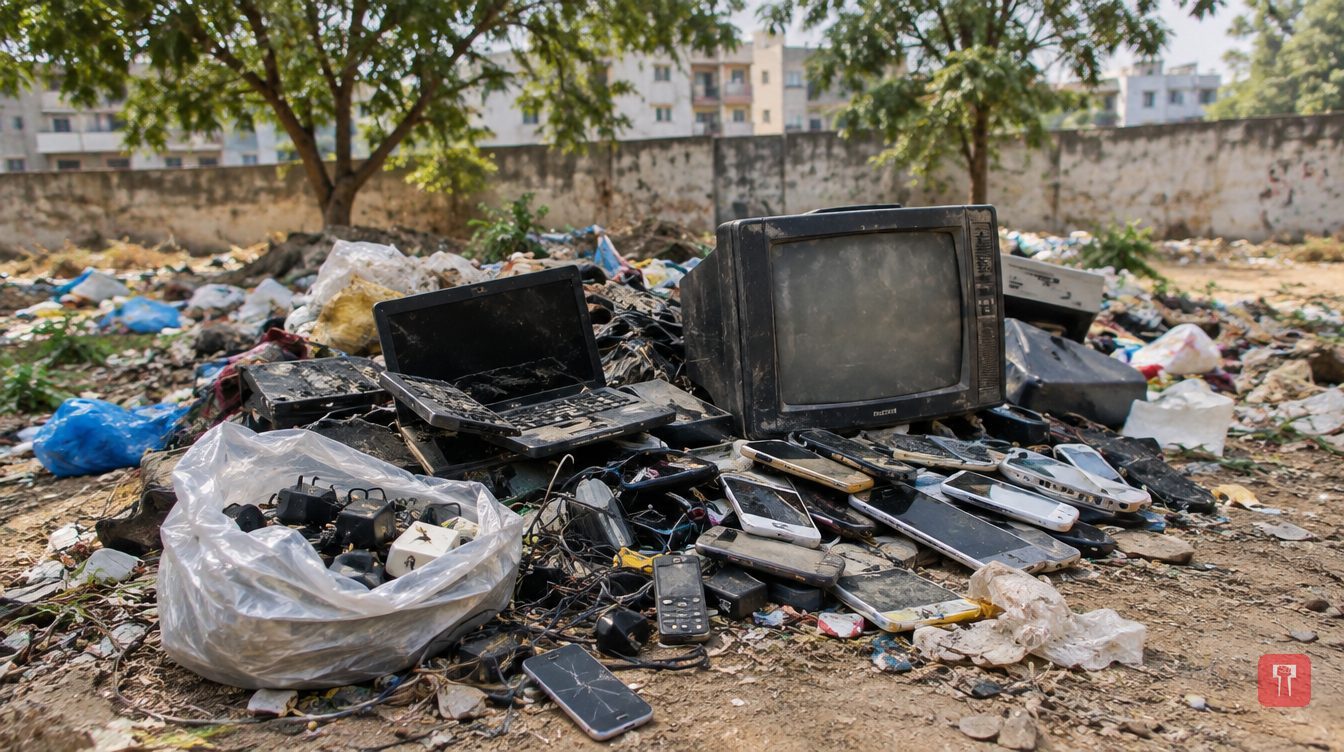
Life without smartphones, laptops, televisions and smart gadgets has become hard to imagine. Technology has certainly made everyday tasks easier, but there is another, very serious side to it. Every year, crores of old and broken electronic items are thrown away in the open as waste. This is called e-waste, or electronic waste.
International E-Waste Day is observed on October 14 every year to spread awareness worldwide about the growing challenge of e-waste and the dangers it poses. The day was started by the WEEE Forum. Its aim is to ensure that electronic waste generated by homes, offices and industries is disposed of properly.
Mobile phones, computers, laptops, printers, televisions, refrigerators, microwaves and washing machines, down to ordinary chargers and small wires, all become e-waste when they are no longer usable or are thrown away. The quantity of e-waste worldwide is growing several times over each year, which is a major warning for the future.
Often people throw broken mobile phones and other electronic items from home out with ordinary garbage. But this waste does not dissolve easily into the soil like ordinary organic waste. Electronic devices contain highly toxic heavy metals and hazardous chemicals such as lead, mercury, cadmium, arsenic and beryllium. When this waste is dumped on vacant plots or at dumping grounds, these toxic chemicals seep into the ground with rainwater and contaminate groundwater sources.
Through contaminated water and soil, these chemicals enter the food chain and directly affect human health. Exposure to lead can seriously damage the nervous system and kidneys. Mercury harms brain function, while cadmium carries the risk of life-threatening diseases such as cancer. In addition, air pollution from burning waste improperly increases respiratory illnesses. E-waste has thus become not just an enemy of the environment but an invisible "silent killer" of human health.
Proper management and recycling of e-waste are the most important steps in tackling this problem. Electronic goods contain not only toxic substances but also fine traces of gold and silver, copper, aluminium and rare earth elements. If old electronic goods go through a proper recycling process, these valuable metals can be reused. This reduces the mining of natural resources and saves energy on a large scale.
On International E-Waste Day, special e-waste collection drives are held in schools, colleges, social organisations and private industries. Through these drives, people are urged to deposit old household gadgets at authorised collection centres. As responsible consumers, people should follow the "3R" formula of Reduce, Reuse, Recycle while using technology. Before buying a new mobile or gadget, getting the old one repaired and using it, or handing it to a proper recycling agency, is the need of the hour.
To achieve the goal of sustainable development, the problem of e-waste must be taken seriously. Rather than depending only on the government or administration, every citizen must take an active part. Through small initiatives, the next generation can be given a clean, beautiful and toxin-free environment. International E-Waste Day serves as a reminder of this moral responsibility.
