

Insurers weigh 10% mandatory co-payment on retail health policies from January 1, 2027
The General Insurance Council is considering a proposal that would make policyholders pay 10% of approved hospital bills, cashless claims included.
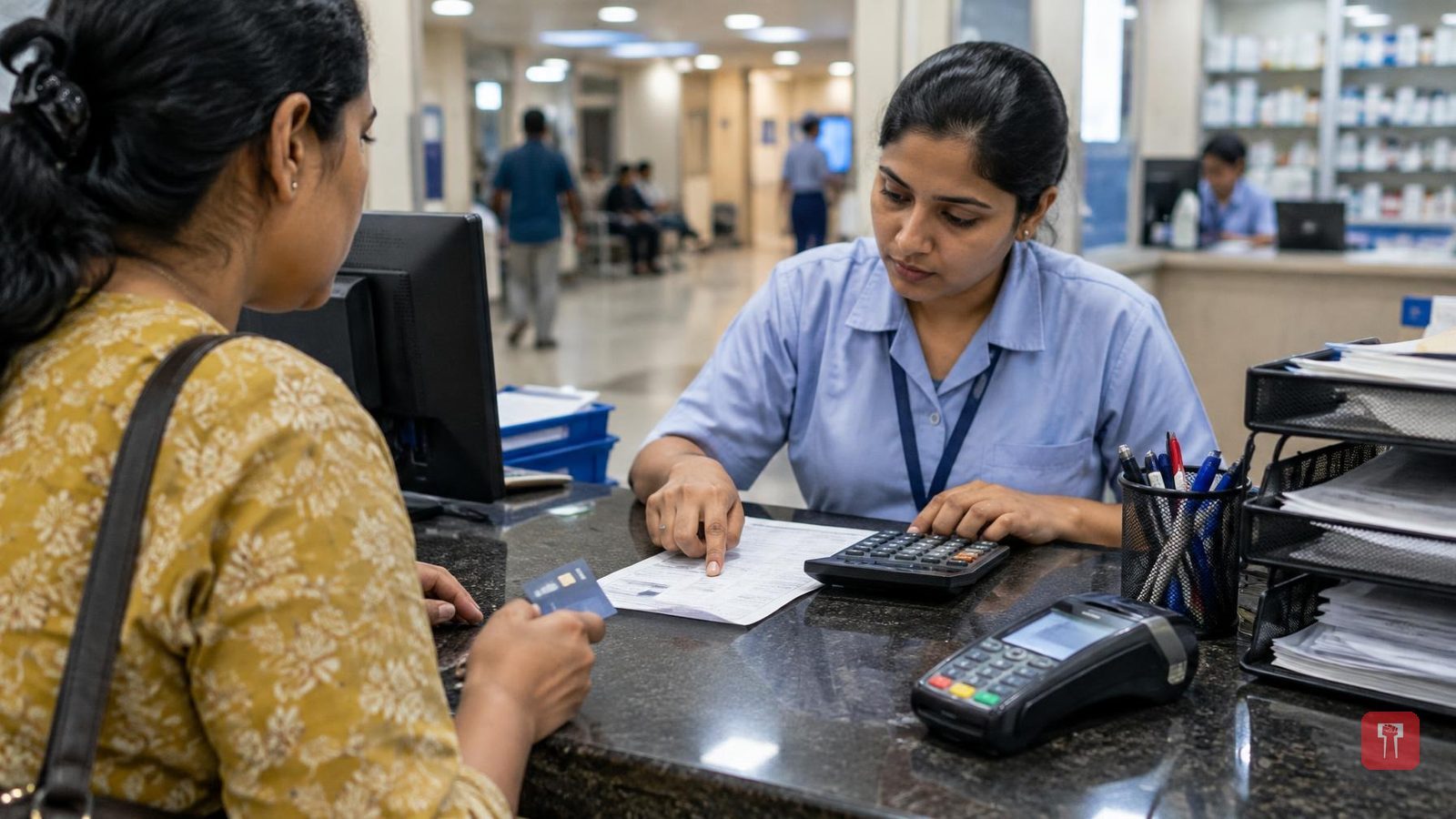
Health insurance policyholders may have to pay part of their treatment costs from their own pocket from January 1, 2027. The General Insurance Council is considering a major proposal to make a 10% co-payment mandatory on the retail health policies of non-life insurance companies.
Under the proposal, the patient or policyholder would have to pay 10% of the hospital bill that is approved. The rule would apply even when admission is needed in an emergency such as an accident. Whether the claim is cashless or reimbursement, the 10% would have to be paid by the policyholder. Even those with comprehensive insurance would therefore need to keep money aside for emergency treatment.
To give customers relief, the patient's 10% contribution in a single claim would be capped at Rs 5 lakh. In return for the rule, policyholders could get a reduction or discount in the annual premium.
The rule would apply to retail indemnity products, retail-under-group policies, the indemnity portion of combi products, internal migrations and portability business. Outpatient (OPD) claims would be outside its scope. The 10% co-payment could not be waived, reduced or altered through any rider or endorsement, and it could not be recovered from any other health insurance policy.
The reasons for the rule have also been stated. With comprehensive insurance cover, some hospitals advise unnecessary tests, additional treatment and longer stays. Choosing expensive room categories also pushes up doctors' fees and other costs. As the insurer pays the full bill, patients do not question the expenses either. This inflates medical costs in the health sector. Curbing these irregularities is described as the main aim of the proposal.
Shriraj Deshpande, a former head of general insurance operations and health insurance expert, said: "The customer should be left to decide whether to take a low-premium policy or one that gives full reimbursement. It would be unfair to put an additional burden of expenses on those who pay a higher premium for greater insurance cover. This will make people shy away from buying high-priced policies."
A senior official has expressed concern that if the entire insurance industry were to come together and decide to discontinue full-reimbursement policies, the matter could come under the scrutiny of the Competition Commission of India (CCI) and be held anti-competitive.
The proposal also includes plans by the Council for common empanelment of more than 4,300 hospitals, outcome-based contracts tied to quality of treatment, and a separate payor-provider grievance forum to settle disputes between insurers and hospitals. This is expected to help curb arbitrary billing by hospitals.
