

ICC brings in seven new rules: 5-run penalty for time-wasting by batters, pink ball in day Tests
The International Cricket Council's new rules came into force on Thursday, October 1, and apply to every series starting on or after that date.
The International Cricket Council (ICC) has changed several rules of cricket. The new rules came into force on Thursday, October 1. They will not apply to international series that are already under way, but will be applied in every series that begins on or after October 1.
The biggest change is that the fielding side will get 5 runs as a penalty for time-wasting during batting. In ODIs and T20 internationals, head coaches will also be allowed on the field during drinks breaks. This arrangement was already in place in women's cricket. The rules on the size and weight of the ball have also been changed. Here is a look at the seven new ICC rules.
The first rule is on the penalty for wasting time. A batter who wastes time while batting will first be given a warning. If it happens again, a second warning will follow. On the third occasion, 5 runs will be deducted from the batter's score and added to the opposition's score.
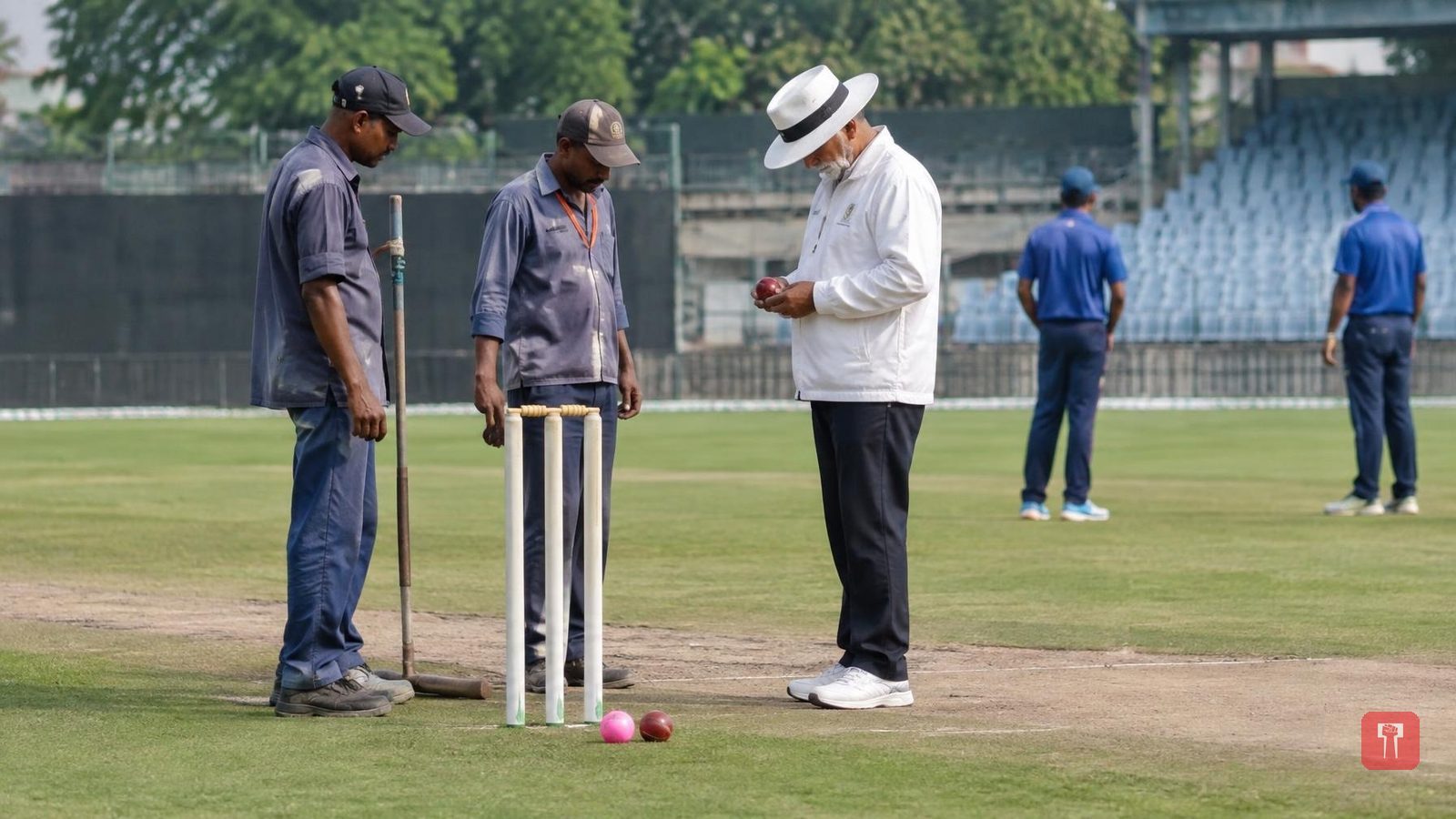
The second rule concerns the pink ball. Given the problems caused by poor light in Test cricket, both teams can use the pink ball by mutual consent. This means a match will no longer be stopped because of low or poor light. If needed, teams can play with the pink ball even in a day Test. Earlier, the pink ball was used only in day-night Test matches.
The third rule is about the last over of the day. In a Test match, the day's play will no longer end automatically if a wicket falls during the final overs. If balls remain in the over and conditions are fit for play, the over will be completed.
The fourth rule is the definition of an overthrow. A throw will be counted as an overthrow only if there was a deliberate attempt to throw the ball at the stumps. A simple fielding error, or misfield, is not included.
The fifth rule is about full control. When fielders dislodge the bails for a run-out or stumping, they must have full control of the ball. Merely touching the bails with the hand will not be considered valid.
The sixth rule relates to ball specifications. Under a notice setting strict size and weight standards, three separate categories of ball will be fixed for men's, women's and junior cricket.
The seventh rule concerns the innings break in T20 internationals. A fixed interval of 15 minutes has been introduced between the innings. If the match has been shortened for any reason, it can be cut to 10 minutes.
